Featured

Two Beautiful Days in Athens, Greece

My husband and I recently had the pleasure of spending a few days in Europe’s 8th largest city Athens, Greece. Our journey began after a grueling 24 hour day of flying and layovers in three different airports. However, the beauty and rich history of the city made it totally worth the travel time. I was also glad we arrived in the evening and were so tired we were able to go right to sleep after a quick meal at the hotel.

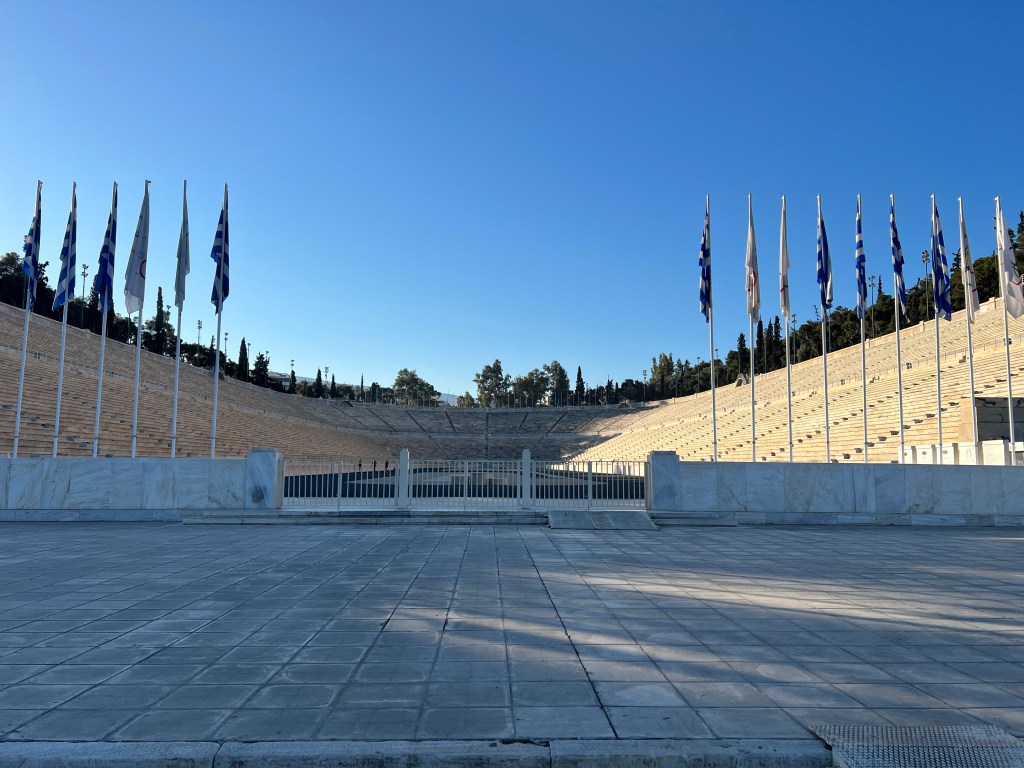
We got an early start and since it was a Sunday we encountered little traffic on the road. Our first stop was the site of the first Olympics. Athens hosted the first Modern Olympic Games in 1896.

Then, we headed over to the Acropolis to get there before the crowds. I recommend getting there as early as possible because the crowds can get really dense very fast. Also, be careful because the walkways and steps are incredibly slippery. My husband and I had to escort a fellow traveler to her group because she had slipped, hit her head, and had difficulty getting to her feet. Please take your time and go slowly over the ruins. Otherwise, your vacation might end up in ruin.

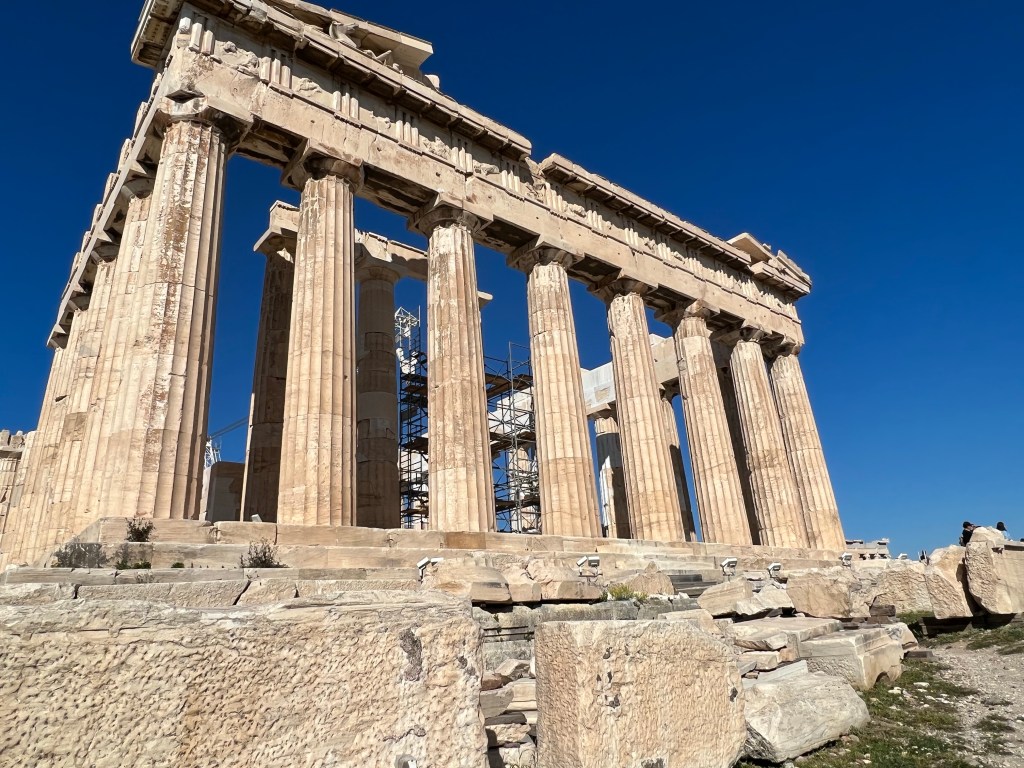
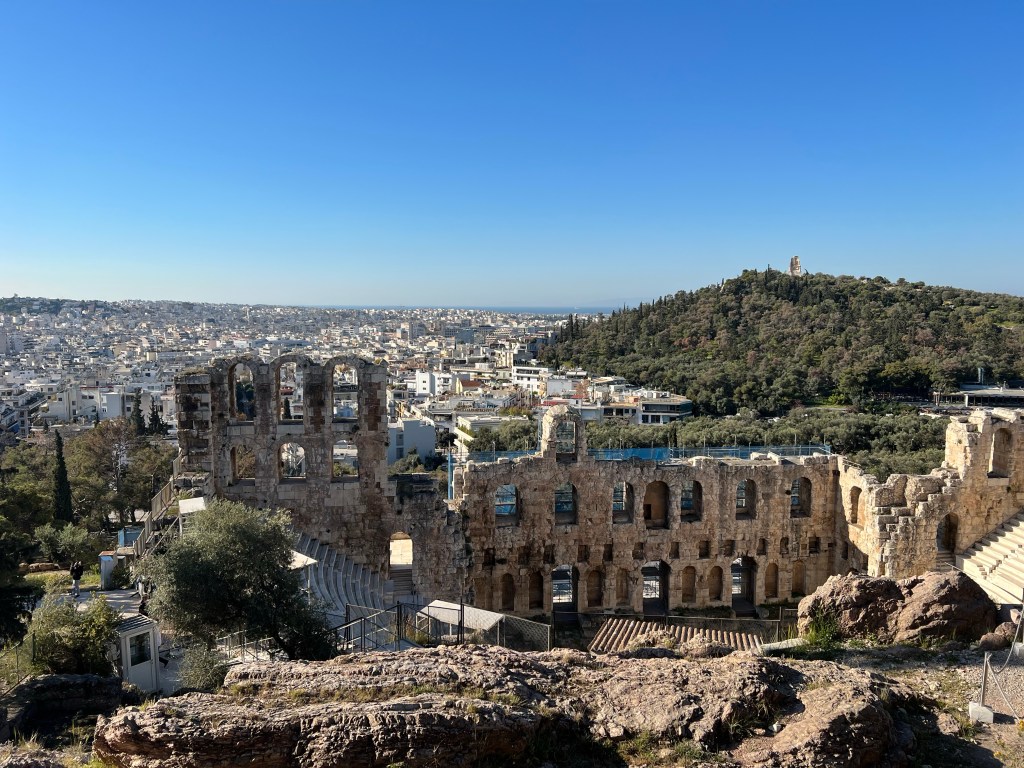
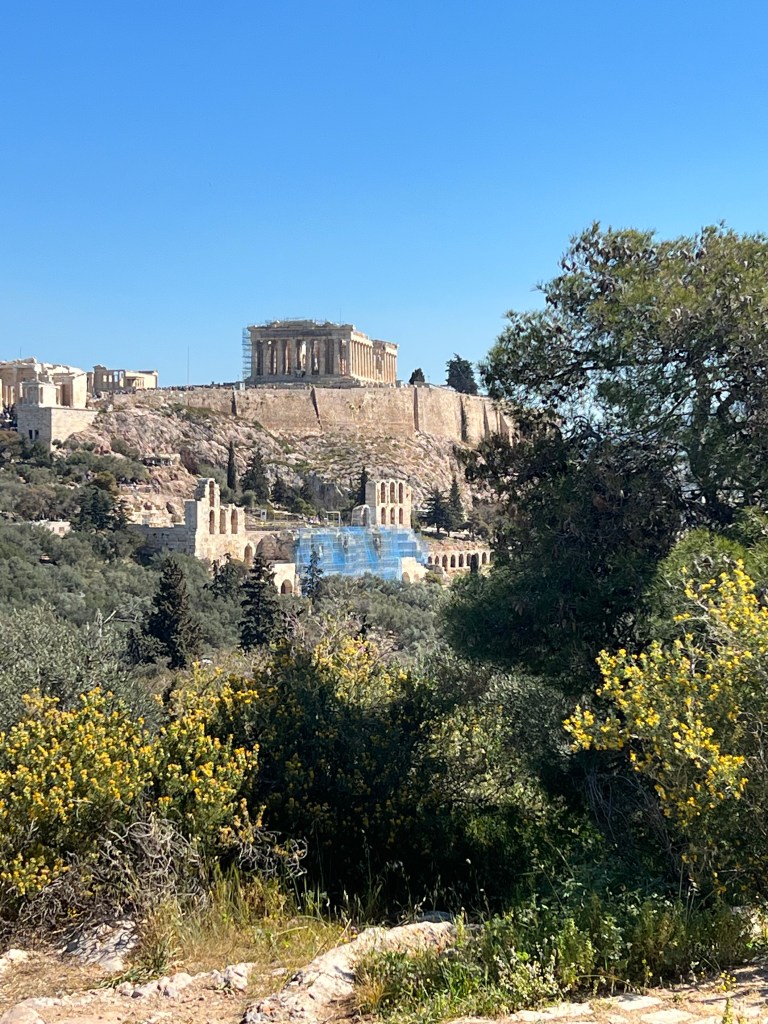
It is amazing to stand before the awe-inspiring Parthenon, the temple dedicated to the goddess Athena, the Temple of Hephaestus, and the Theater of Dionysus and think they date back to the 6th century b.c.

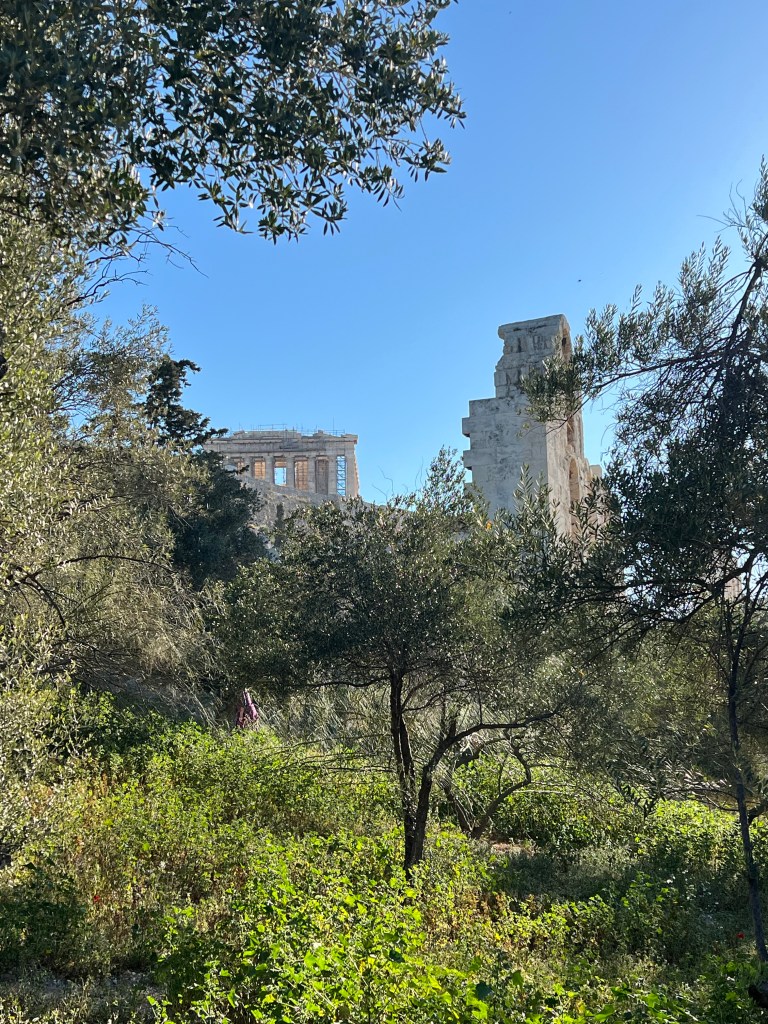
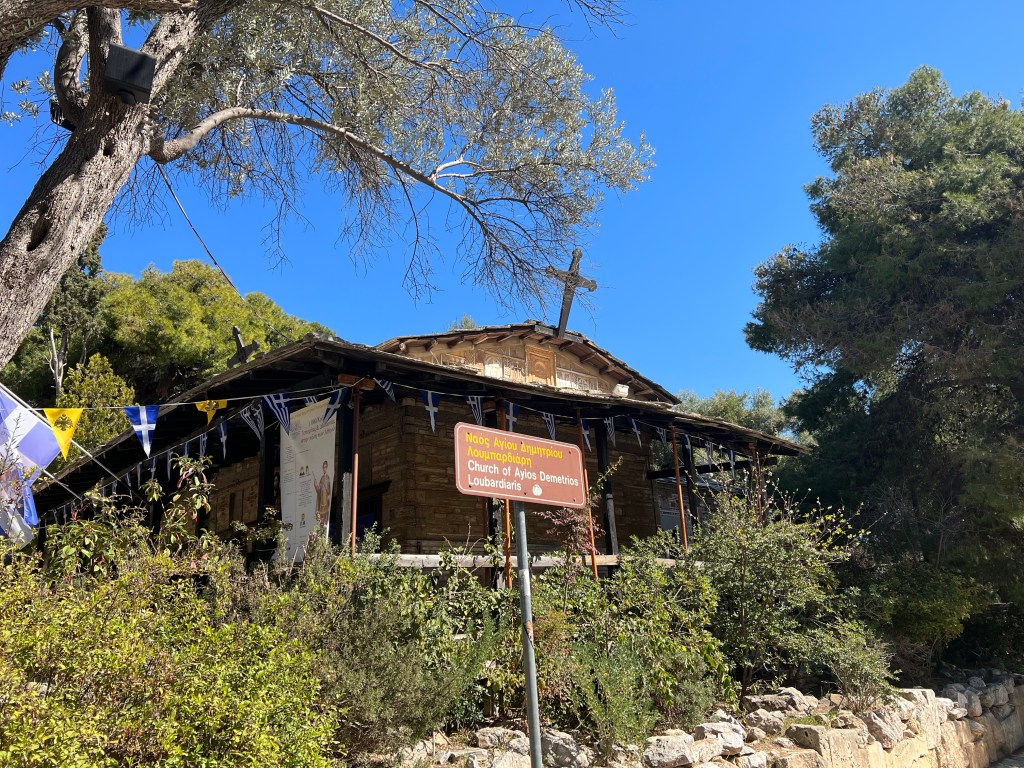
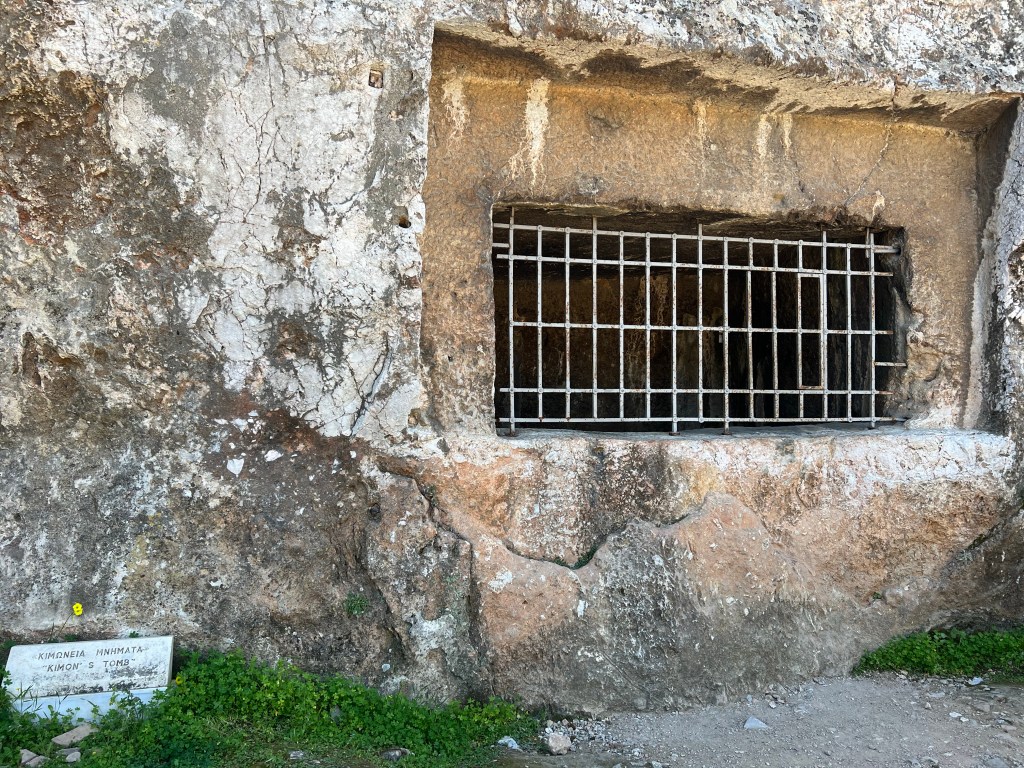
Down the road is the entrance to Philopappos Hill. A short walk into the park on the right-hand side is a beautiful Orthodox church and a little further down on the left is the site of Socrates’ Jail. I highly recommend making the short trek up to the top of the hill because it gives a fantastic view of the Acropolis.

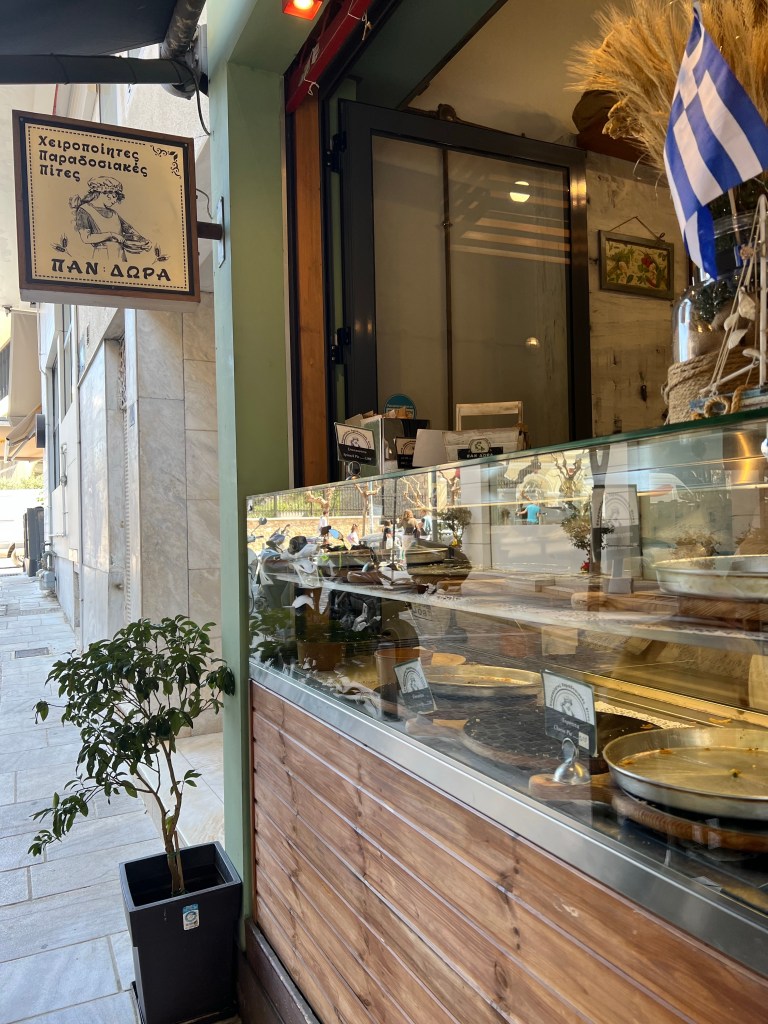
We made our way down to Makrygianni and indulged in the best pies I had the entire time we were in Greece. Their Spinach Pie was incredible! I highly recommend it! The couple that owns the restaurant were very kind and explained all of the ingredients and how everything is prepared. They really take pride in their food and it shows!

You MUST try their Spinach pie!

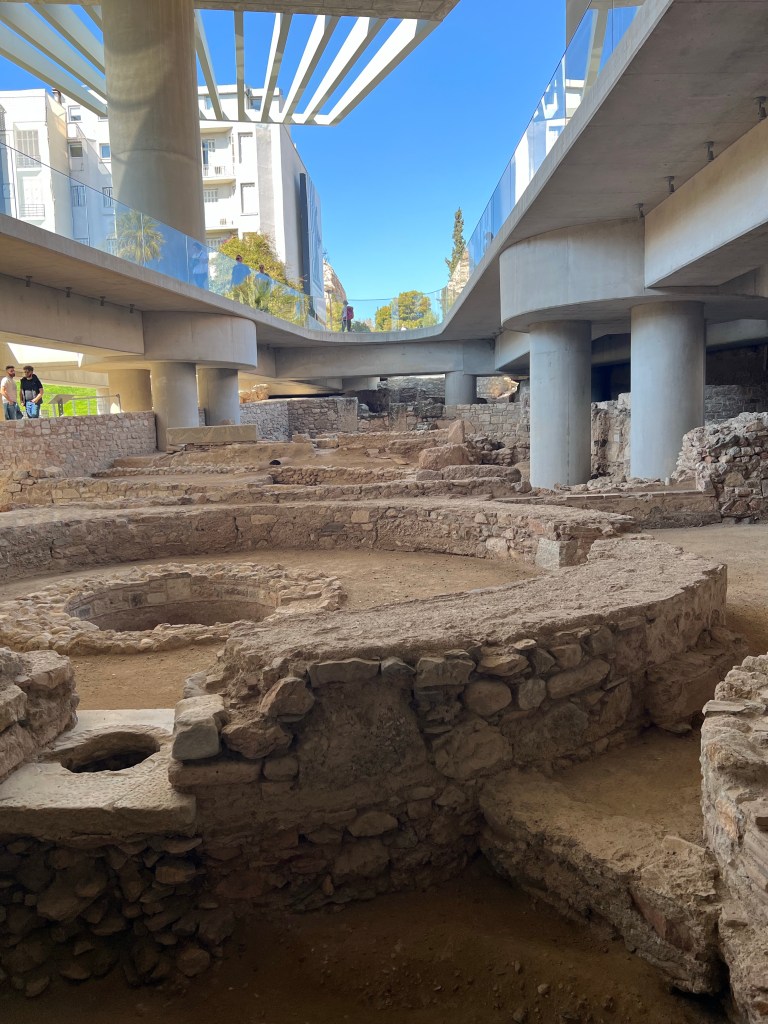
Next we headed over to the Acropolis Museum to learn about the statues and the history of the area. The most exciting part of the museum is the active archeological dig occurring under the museum. It was incredible to witness the layers of human activity under and above the museum.

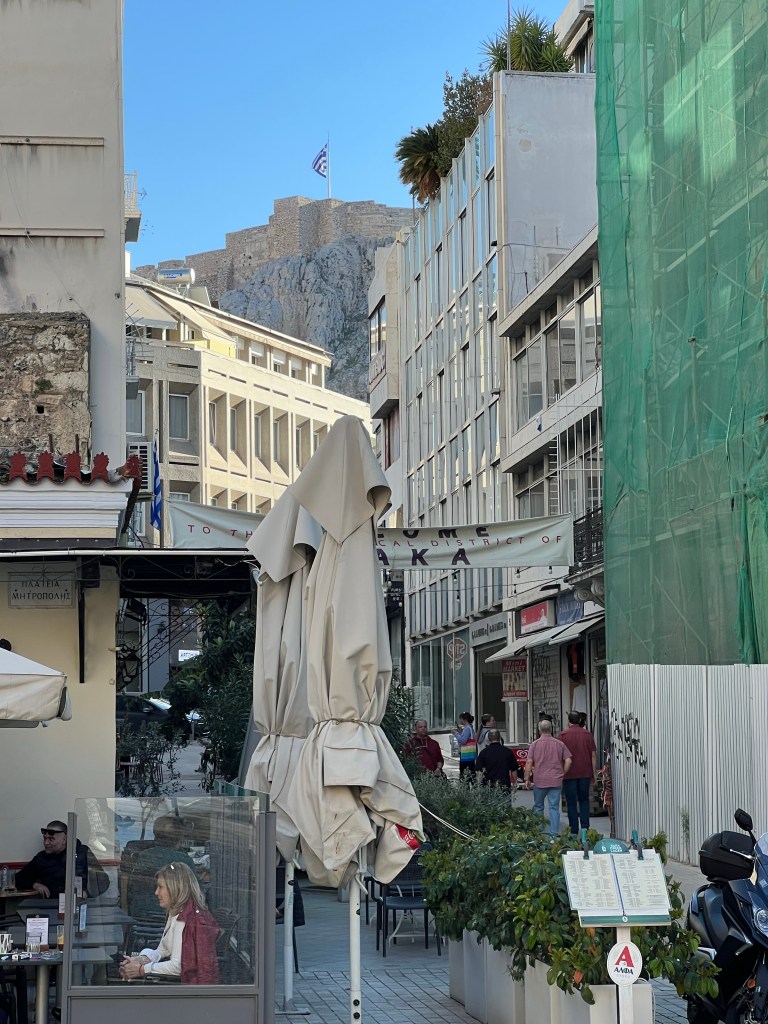
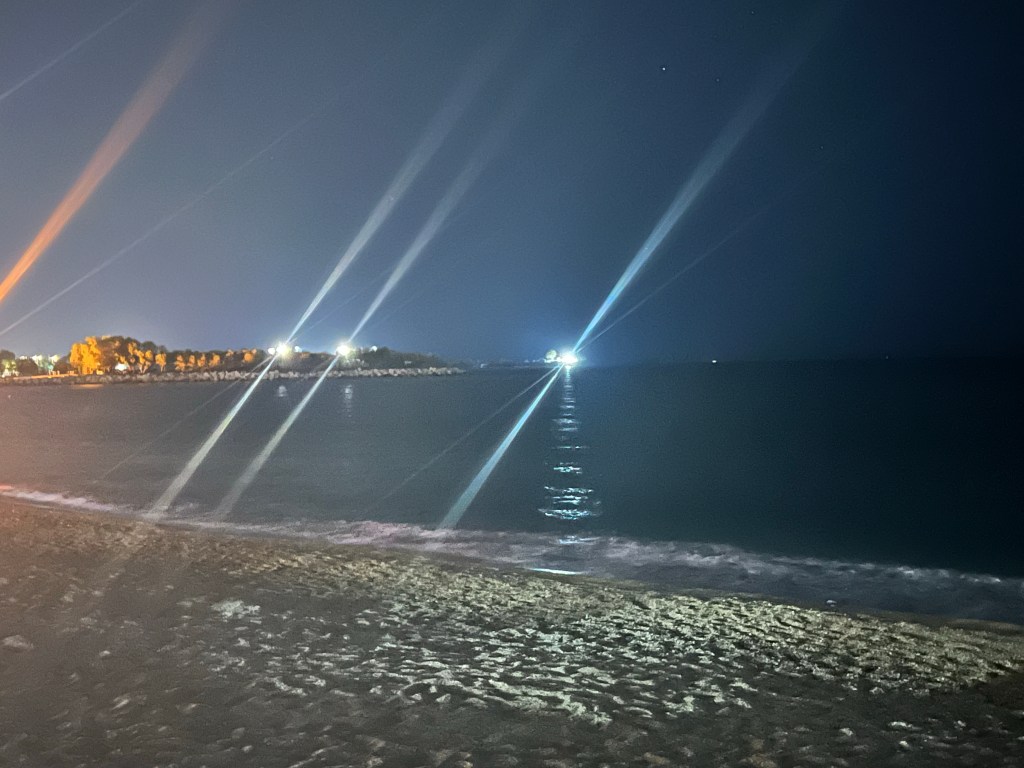
Then, we walked to the Mitropolees Square for a coffee, continued to the Roman Forum of Athens for dinner, and finished out day one enjoying the Saronic Gulf at Bolivar Beach Bar

We finished our first day in Athens and it was incredible! Day two is sure to be just as action packed!

Featured

Capitol Reef National Park

I had no idea…

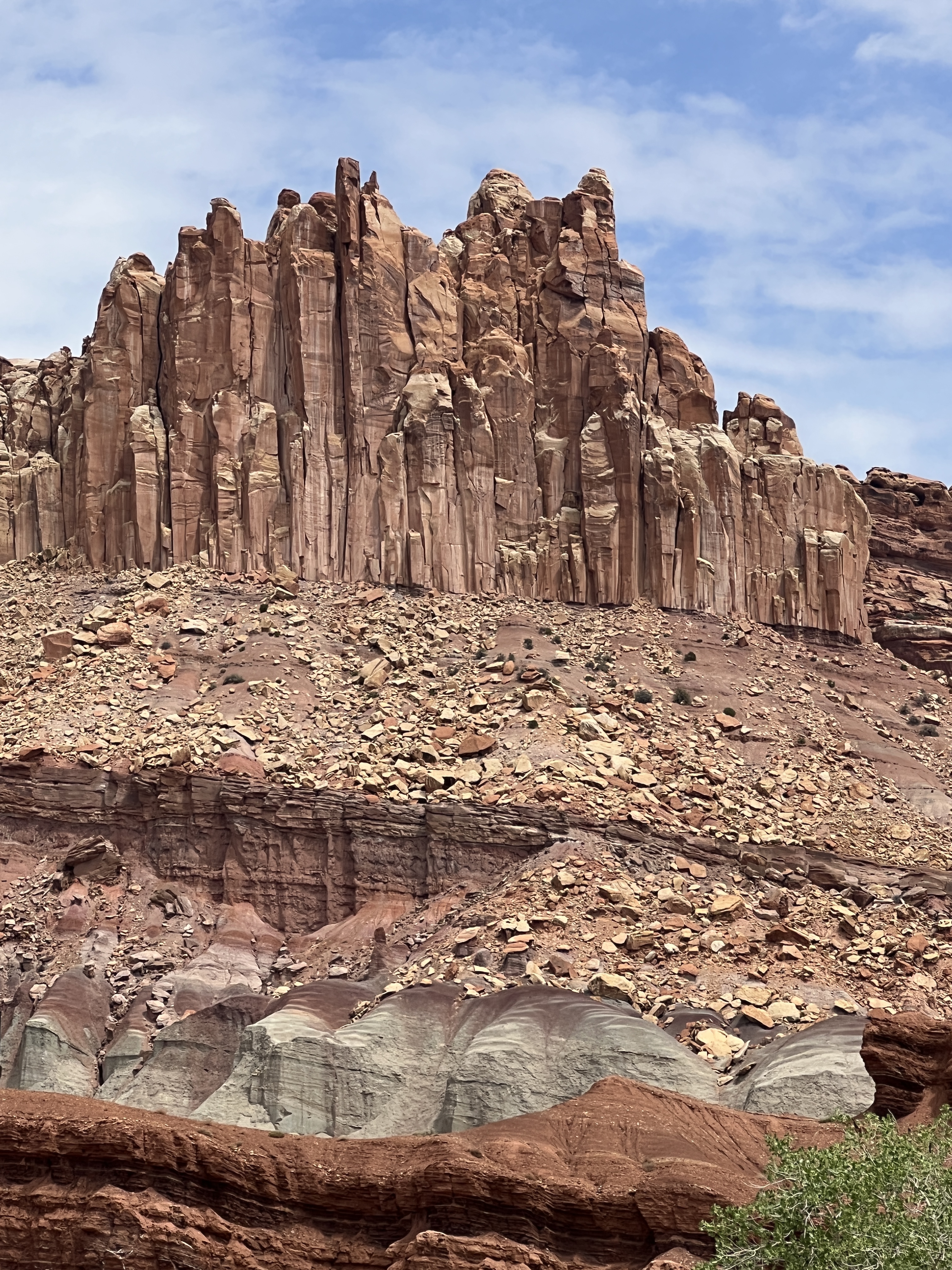
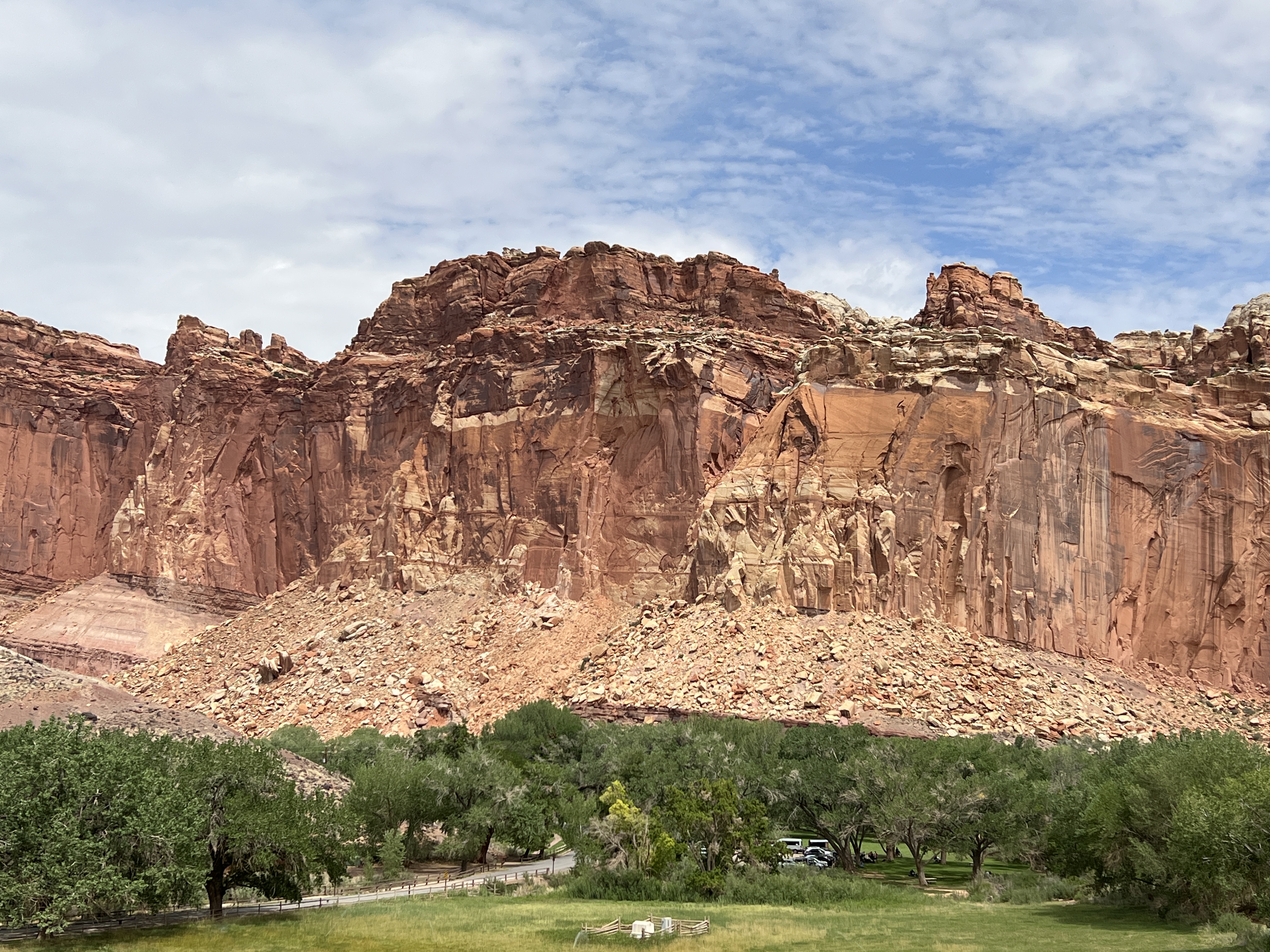
I wish I would have asked people about this park before planning our trip because the online world does not do this park justice! I read a couple recommendations online that this park was great for driving though and there wasn’t too much to do or see. I took that advice because after reading about and visiting Zion National Park the online world was correct. Try to avoid the crowds by getting there early and the Narrows smell like pee for a reason. Anyhow, I took the advice as a drive through on the way to Boulder, Colorado from the Los Angeles area.

Unbeknownst to me, my GPS rerouted me because of flash flood warnings. I’m sure there’s a setting/operator issue that I need to look into after this trip, but I digress. Therefore, I spent a bit more time getting to my hotel and saw the beauty of that part of Utah. I stayed at the Broken Spur Inn and Steakhouse and is that ever a misnomer. There is nothing broken at all about this place. Great steaks, great wine, and a great bed after a long drive. I was especially lucky the night I arrived there because my dinner was highlighted by a tremendous lighting storm. I’m not sure if the lightning enhanced the wine or vice versa but it was a delight for the senses.

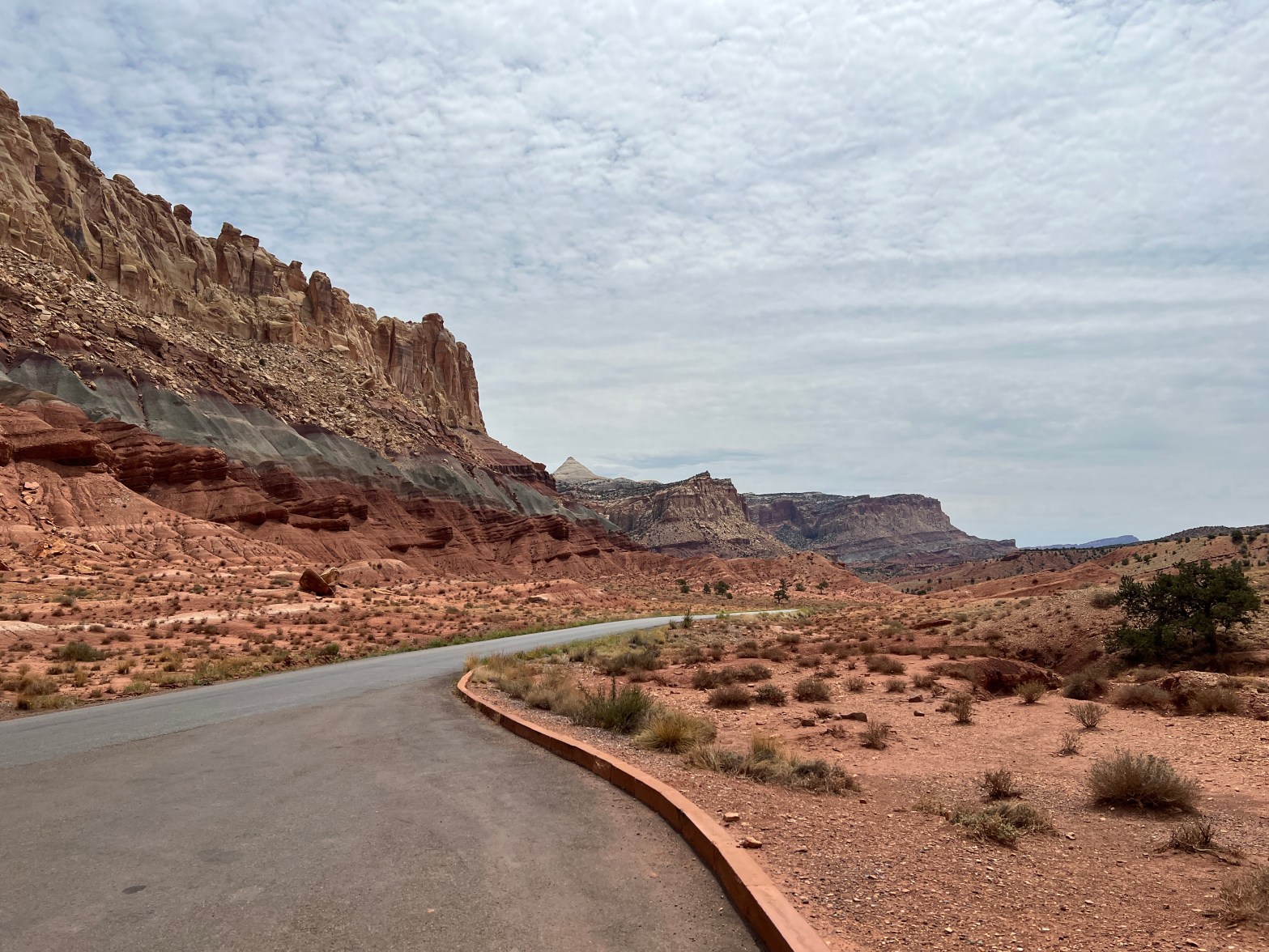
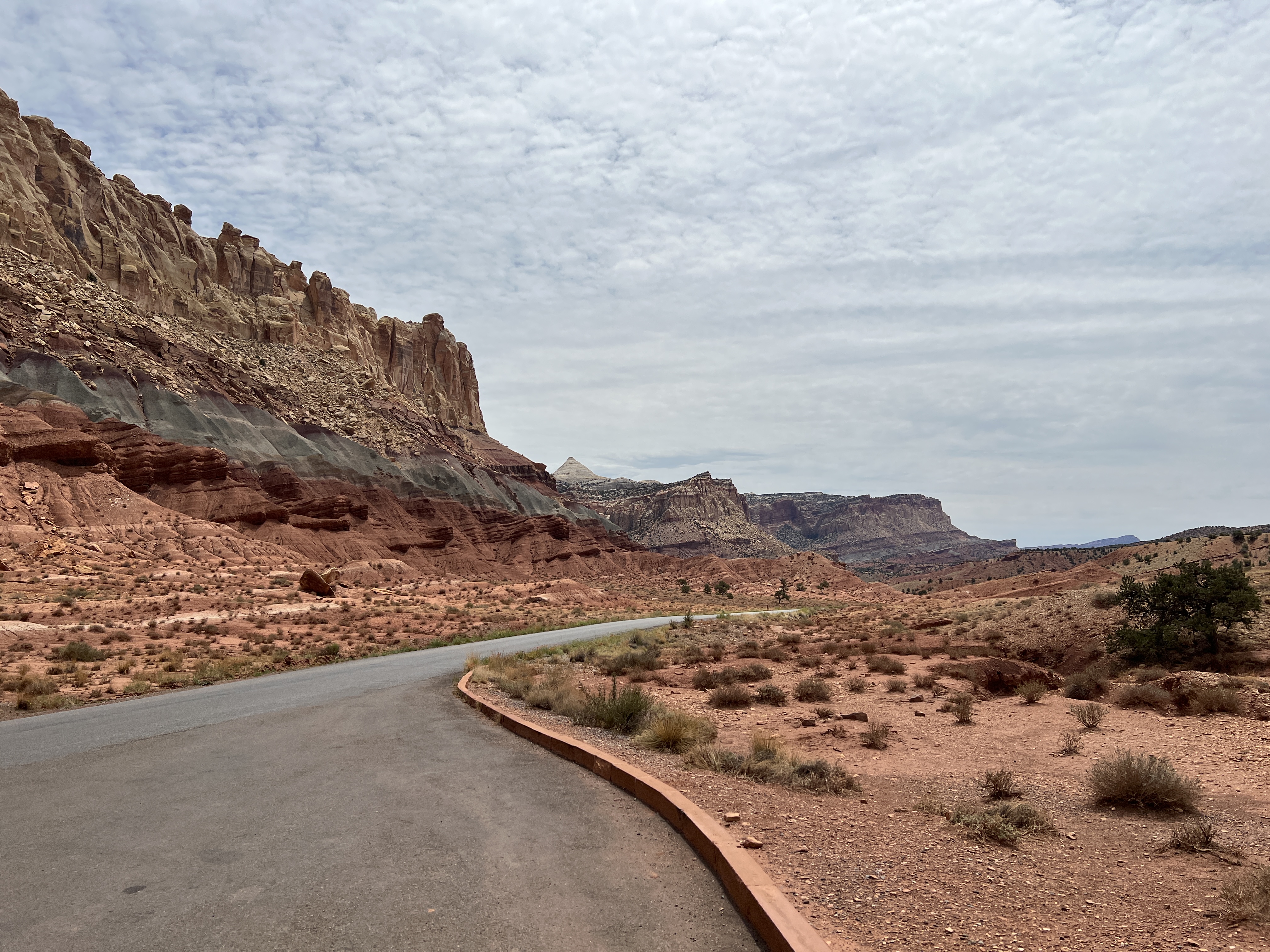
The next morning I woke up and drove the couple of miles to the park. There was a moment when I turned a bend and my mouth dropped open. The beauty of the area is so overwhelming I had to pull over to take it all in.

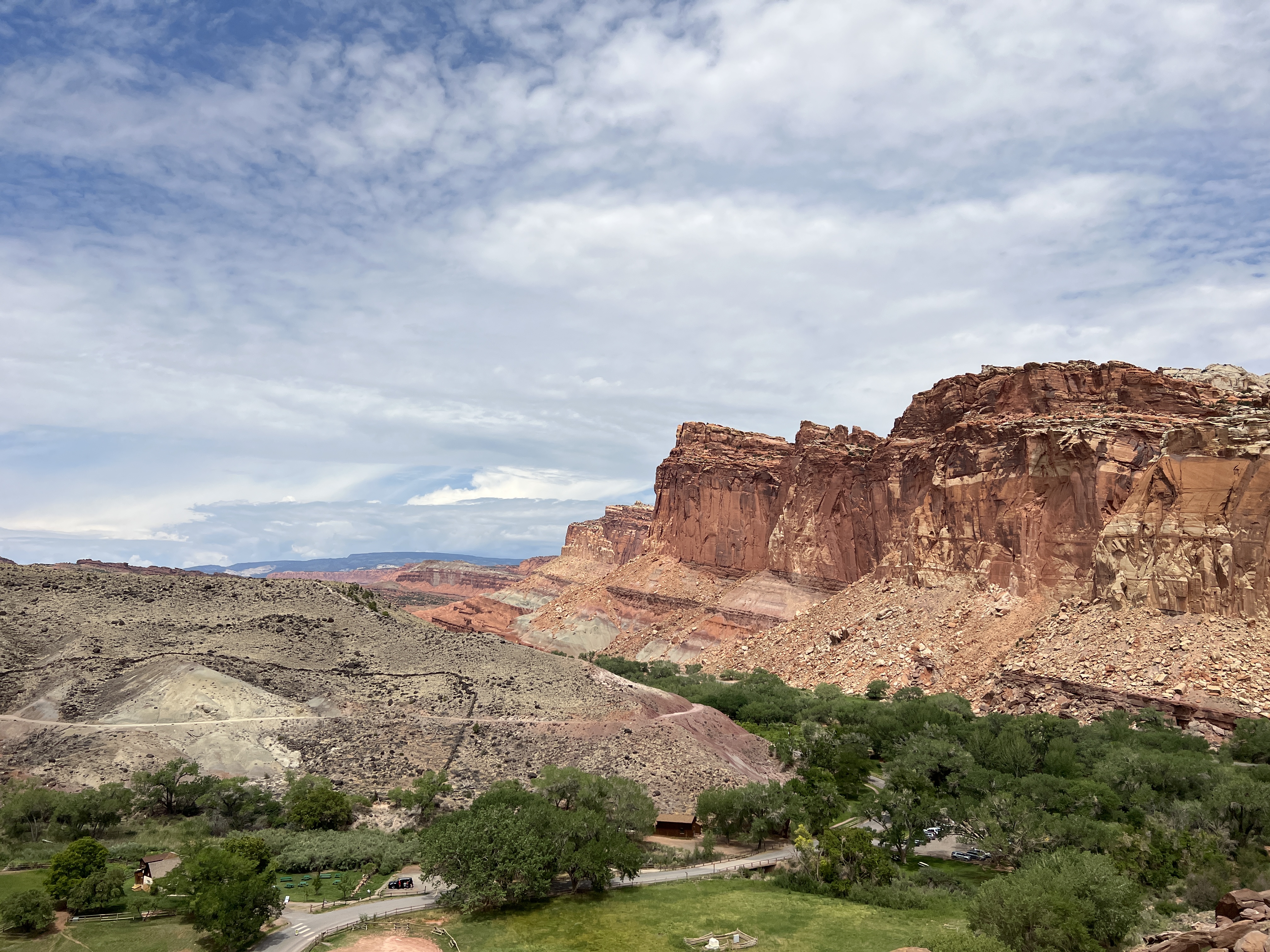
The pictures do not do the road into the park justice. I was floored by how gorgeous the colors are. They are colors you only see in nature and you can’t capture how spectacular they are with a camera. Then, I got to the park and the landscape became even more incredible.

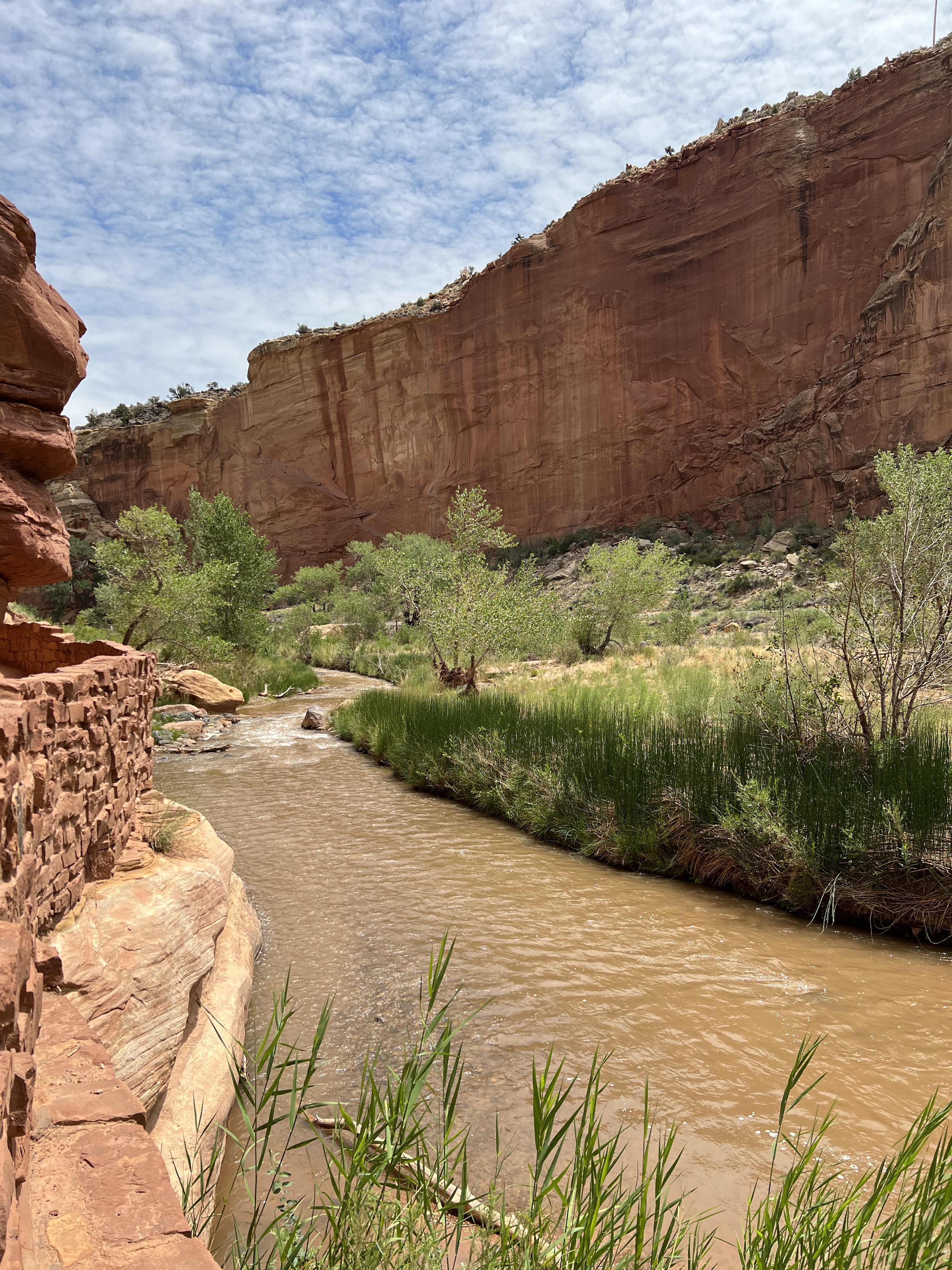
There are so many hikes, trails, and places to visit in the park! I though it was just a drive through and look at the wrinkle in the earth park, but I was so wrong. I’ve since been informed there is even a working apple orchard in the park! I wish I would have known before going! After seeing views like these…

I want to go back and do the park the justice it deserves! My take away from this experience is that the internet world can be right about the Narrows smelling like pee, but it can underestimate the beauty of nature. Either way, you have to get out and experience it for yourself so you can be the judge.

The Moth That Opened Her Mouth Again

Camilla had lost her suegra and her sancho on the same day, and while the former might make some women ecstatic and the latter devastated, she couldn’t quite decipher how she felt about either. Emotion drifted through her like smoke—visible one moment, gone the next.

As she lay in the hotel bed, writhing in pleasure while exclamations of ecstasy spilled from her lips, she felt it—that omnipresent sensation of being watched. When the final shudder overtook her, she glanced toward the corner of the ceiling. And there it was: the death moth.

Not merely a moth—larger than any she had ever seen, wings the color of burned sugar, its flutter beating a rhythm eerily in tune with the pulse between her legs. She had never indulged superstition, but this creature, this mariposa de la muerte, hovered as if inhaling her pleasure and exhaling fate.

Pleasure rippled through her, a warm tide rising and falling in her belly. Her sancho, the Valencian with a tongue blessed by saints and sinners alike, continued moving against her skin, unaware of the omen. His accent—warm, rolling—could coax a woman into sin. He kissed her inner thigh with the same reverence priests reserved for relics. His tongue traced slow circles that made her toes curl, and she should have surrendered to the feeling as she always did. They had met for months in the small hotel around the corner from her office—room 917, always 917—as if the number itself were a ritual incantation.

Her husband had long ago abandoned desire. Their intimacy had ended without conversation, without argument, as naturally and silently as dawn. There was nothing to question. It simply was.

Camilla didn’t believe in omens. At least, she told herself she didn’t. But this moth—this particular moth—felt like a messenger from a place older than saints or sinners.

It was staring at her.
It knew something.
It had come for her.

The moth continued its slow, rhythmic beating. Before she could name the dread pooling beneath her ribs, her phone buzzed—once, twice, a jagged vibration that did not belong in that room of sweat and whispers. Her sancho, obedient and eager, pressed the phone into her hand and continued his devotion with his mouth. He assumed the call was about work. It was always about work.

He assumed wrong.

“Mili…” her husband’s voice cracked like dry earth. “Perdón. Perdón, amor… I didn’t know who else to call…”

Camilla closed her eyes. “Sí…?” Her breath caught—not for him, but for the finger tracing her pulse point and the hand tightening at her hip.

“Mili…” his voice trembled like paper in the rain. “Perdón por molestarte mientras estás en la oficina, but—I didn’t know who else to call…”

“Yes…” she whispered, half for him, half for the man between her thighs who had just found the perfect spot.

“Mi mamá… se murió.”

The world stilled.

Even the moth folded its wings.

“What?” she gasped, all sensation draining from her body. Camilla shoved her lover away. His face, flushed with confusion and injury, blurred as her husband’s sobs gusted through the phone like winter wind. He sat back, startled, hurt, hands hovering uselessly where her body had just been.

“¿Qué estás diciendo? ¿Cómo pasó? What happened?” she demanded, her mind scrambling between shock, confusion, and a strange rising guilt.

“She woke up like normal,” he sobbed. “Made her breakfast. Hizo su cafecito. Put on the TV. And when my dad came out to eat with her… she was gone, Mili. Just… gone. Te necesito. Please… please come.”

Her sancho had begun massaging her feet softly, his hazel eyes warm and full of a tenderness that promised no demands. Confusion flickered across his beautiful face, but she was already somewhere else—falling, spinning, unraveling. Her thoughts drifted to her husband—to the boyish fragility he carried beneath his adult disappointments.

The moth fluttered again, slower now. Waiting. Watching.

Camilla’s body was still incandescent with pleasure, but her spirit had already begun sinking into a cold, familiar grief—one she hadn’t yet named.

The death moth drifted lower, its wings stirring the air.

Her sancho, kneeling at the foot of the bed, touched her ankle. “¿Qué pasa, mi amor?” His eyes, always soft with hunger, searched hers.

She didn’t answer. She was already dressing.

Because she knew beneath shock, beneath guilt that this was no ordinary death.
The moth made that clear.
And her suegra had never been an ordinary woman.

Her suegra had once been a woman of fire. Camilla had always felt it because the older woman’s stories crackled with an electricity she didn’t dare name.

She remembered the one her suegra told most often, her trip to Mexico City she took as a young woman. It surged through Camilla’s mind now with new meaning.

Her suegra had earned the trip as a prize for being top in sales, though the men mocked her choice of destination. Mexico City had just emerged from student uprisings. But she craved the city’s contradictions. The way it blended rebellion, culture, and ancient wounds.

She had stood in the Casa Azul, breathing in Frida’s colors; watched dancers defy gravity at the Palacio de Bellas Artes; stood reverent before murals that sang of struggle. And when she walked the Avenue of the Dead at Teotihuacán, she swore she felt warriors following her, whispering truths she wasn’t ready to hear.

Those whispers accompanied her on the flight back. And when the stranger beside her brushed her arm, she felt a shockwave so fierce she believed it came from the pyramids themselves. His eyes sparked with mischief and sorrow. He told her about his broken marriage, about his loneliness, about the invitation to see his sister’s band perform. She told him about her city of revelations.

By the time the plane landed, they had prayed together, held hands together, and made plans together. And that weekend in East Los Angeles set her fate in motion.

But her dreams curdled quickly. His mischievous spark was for every woman. His drinking swallowed him whole. His infidelities, like clockwork, tore her open only to be sealed by passion and empty promises. Rage became their ritual; forgiveness their sacrament.

And yet she loved him wildly. As she never allowed herself to love herself.

Camilla sensed her suegra longed to be someone else, someone freer, someone wilder, someone like Camilla herself. But life had tamed her. Marriage had chained her. Love had broken her in the oldest way.

What she never told anyone, not even Camilla, was that on the night she returned from Mexico City, a moth followed her home too. Smaller. Paler. But marked with the same obsidian strokes.

Some lineages are chosen. Others are inherited.

Driving toward her in-laws’ house, Camilla felt the weight of her own choices pressing against her like a second skin. Guilt. Shame. And something darker, the echo of the death moth’s wings still beating in her chest.

So when she reached the house that evening, the truth was already pressing against her bones:

Her suegra was not done living.

When she entered the living room and saw her suegra’s lifeless body sitting in her favorite chair, head gently tilted as though listening, she understood. But the older woman wasn’t alone. Behind her, faint and glowing, stood her younger self, the woman from Mexico, the woman she had never allowed herself to become.

She watched Camilla with eyes that gleamed like wet volcanic rock, and something inside Camilla cracked open. Not grief. Not exactly. Something older. Something ancestral.

She was watching.
Waiting.

Camilla’s husband lay collapsed on the floor across the room, shaking with sobs, hands covering his face. His grief was raw, human, unguarded.

Beside the chair the real ritual was taking place.

Her father-in-law knelt by the corpse, whispering apologies into her ear.

“Perdóname, mi vida… por todo… por todas…”
His voice crumbled.
“No sé vivir sin ti. No en esta vida… ni en ninguna.”

The air trembled around him.

A shadow-hand thin as incense smoke rested on his shoulder.
It was not imagination.
It was not grief.

The younger spirit of his wife leaned close, her lips brushing the edge of his ear, whispering something from beyond.

A vow.
A reunion.
A claim.

His pulse fluttered.
His breath hitched.
His gaze drifted toward the unseen.

He was being called across.

Not by death.
By her.

As if summoned by fate, her phone rang.

Her sancho.
Of course.

She didn’t answer. The ringing vibrated against her bones like another omen.

She looked at her suegra’s body. At the shadow-woman hovering behind it. At the death moth perched on the window frame, wings still as stone.

Her phone buzzed again.
Her sancho.
Impatient. Unknowing.

Camilla looked at her husband broken on the floor and felt tenderness but no bond. She looked at her father-in-law swaying between worlds and felt terror but not surprise.

Then she looked at her suegra’s spirit.

The younger apparition’s eyes burned into hers.

Hazlo, she whispered without moving her lips.
Live the life I could not. Go now. Or the world will swallow you as it swallowed me.

The death moth on the door opened its wings wide, solemn, patient. Its flutter shook the air like a heartbeat.

Camilla inhaled.

Her life—marriage, guilt, habit—tightened around her like an old dress she had outgrown.

She exhaled.

And it all fell away.

Grief pooled in her chest, thick as molasses, but a fierce clarity rose above it.

She kissed her husband’s trembling head.
Whispered, “Lo siento.”
Not for the affair, but for the years she lost pretending to be small.

Then she walked out.

She drove to the airport without thinking, only feeling the pull of destiny, of lineage, of the city that once awakened her suegra and was now calling her.

At the ticket counter, when she requested a one-way to Mexico City, the agent glanced over her shoulder with a strange expression as though someone else stood behind her. The moth perched on her shoulder, invisible to the living but luminous to the dead.

Somewhere far away, her father-in-law took his last breath. His wife’s spirit welcomed him with a smile.

And as the plane doors closed, Camilla finally felt it:

She was not running.
She was returning.

Returning to the place where her story waited.
To the city that held her suegra’s abandoned dreams.
To the life where she would finally choose herself.

And as the plane lifted into the night, the moth rested on her shoulder like a blessing.

Tokyo Day Two: Senso-ji, Sushi Highs, Ice Cream Redemption & Ginza Glow-Ups

If Day One in Tokyo was a warm-up, Day Two was the main character energy we were waiting for. From ancient temples to fancy knives, from sushi so fresh it practically winked at us, to the sweet, sweet taste of ice-cream vengeance—Tokyo delivered. Hard.

Senso-ji: Sensory Overload in the Best Possible Way

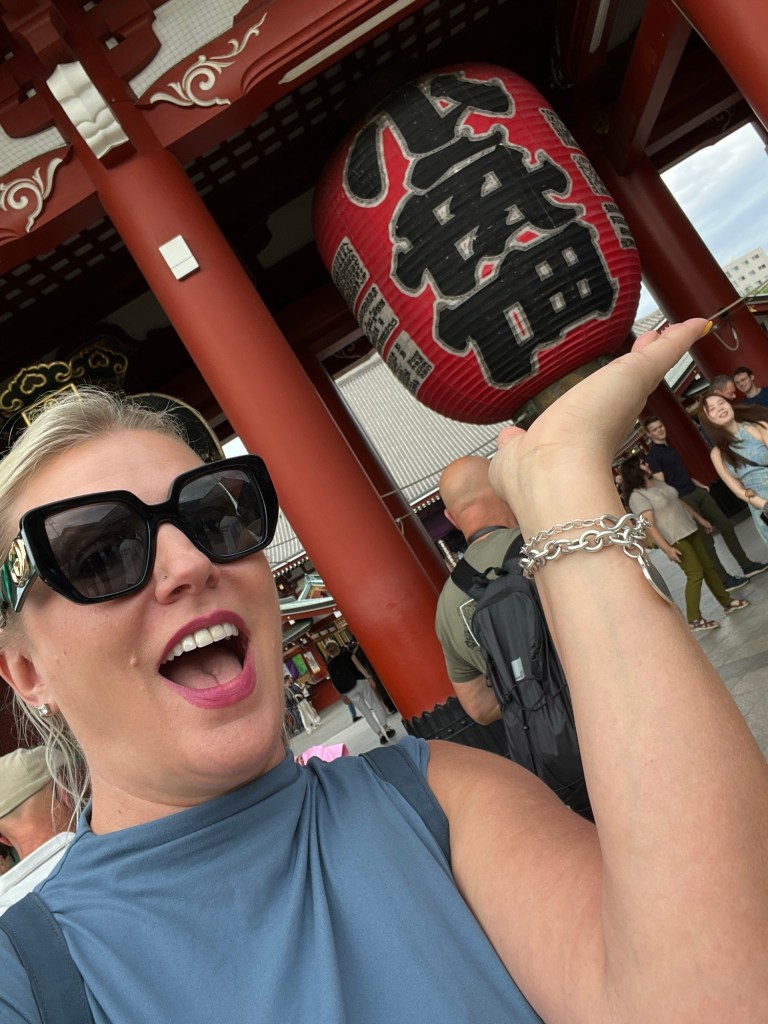
We kicked off the morning at Senso-ji, Tokyo’s oldest and most colorful temple. When I say it was spectacular, I mean capital-S Spectacular. The second we entered, it was clear this wasn’t just a tourist stop—it was a full-on cultural theme park for your senses.

The sights: A giant red lantern that looks like it could crush a minivan, ornate temple details dipped in gold, and a sea of people who all somehow manage to take photos without bumping into each other.
The sounds: Chanting monks, clacking good-luck sticks, and the very real gasp I let out upon spotting the shopping street.
The smells: Incense, street snacks, and… was that fresh melonpan? Yes. Yes, it was.

Fun Facts About Senso-ji

  • It’s Tokyo’s oldest temple, founded in 645 AD, which means it’s been around longer than most civilizations I studied in high school.
  • The giant Kaminarimon gate lantern weighs about 1,300 pounds, so basically the weight of everyone’s luggage combined.
  • The smoke from the incense is said to bring good health—yes, we bathed in it. Several times.

Taito-Asakusa: The Shopping Paradise We Weren’t Ready For

Right outside the temple is Nakamise Street, a dazzling stretch of stalls selling everything from traditional sweets to souvenirs whose cuteness levels should frankly be illegal. The surrounding Taito-Asakusa district is souvenir heaven—reasonably priced, delightfully quirky, and filled with treasures.

Pro Shopping Tip: If you want something truly unique and aggressively cool, look for the fancy Japanese knives. The ones serious chefs covet. The ones that whisper you will now julienne like a samurai. They’re gorgeous, handmade, and often more affordable than you’d expect.
(Yes, we ogled them. No, we did not trust ourselves to transport them without slicing open a suitcase.)

Ice Cream Justice: Achieved

Remember how we were denied ice cream the day before? Scarred. Traumatized. Betrayed.
Well, today… WE GOT OUR ICE CREAM. Shannon and I marched up to that stand like champions reclaiming their throne. Victory has never been so sweet, or so photogenic.

Travel Tip: If you see soft-serve in Tokyo, buy it immediately. Do not wait. Do not assume there will be “ice cream later.” Tokyo plays by its own rules.

Tsukiji Fish Market: Sushi Dreams Realized

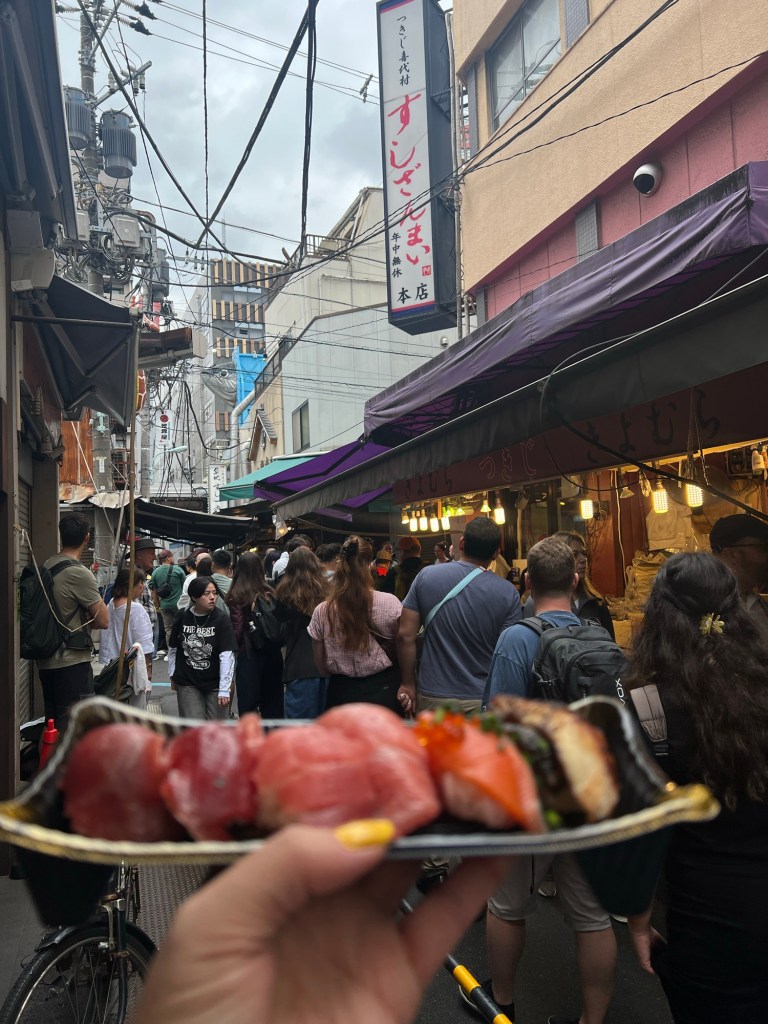
Next stop: the legendary Tsukiji Fish Market, where sushi is fresher than my sarcasm at 6 a.m.

Here’s the thing: Once you eat sushi at Tsukiji, everything else becomes… practice sushi. The fish melts. The rice hugs you emotionally. The chefs smile at you like they know you’re having a life-changing moment.

Tips for Tsukiji:

  • Arrive hungry. Very hungry.
  • Don’t be intimidated by lines—longer line = better food = worth it.
  • Try the tamagoyaki (sweet omelette). It’s like dessert’s more responsible cousin.

Hoshino Coffee: Fluffy Pancake Heaven

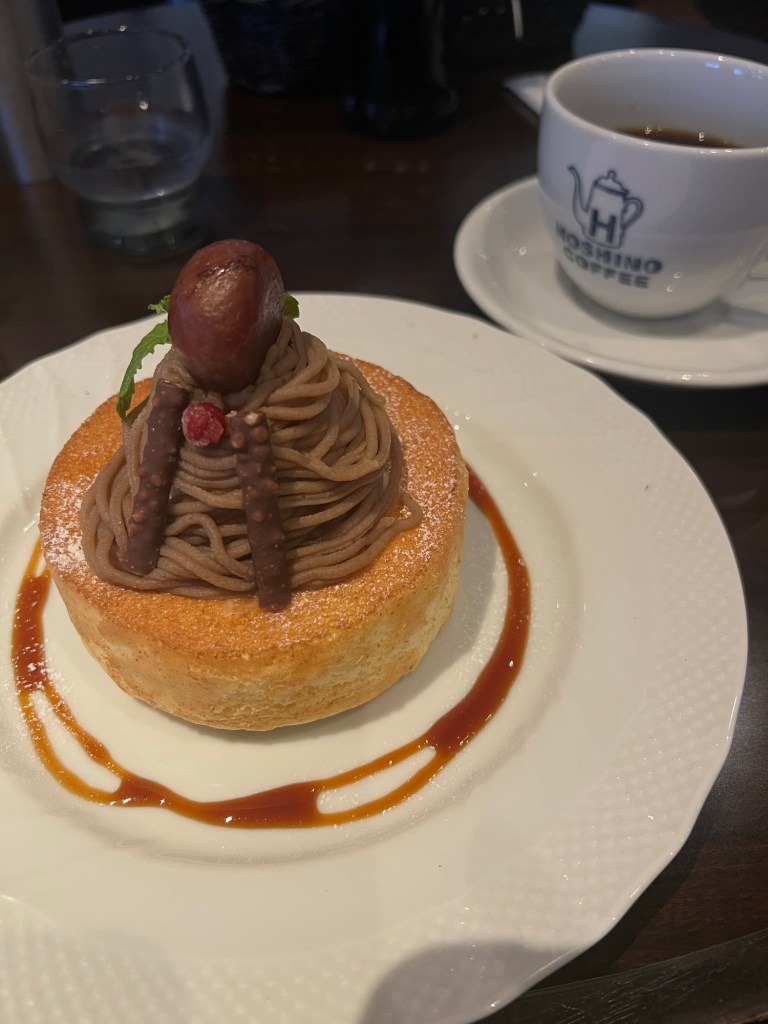
After sushi, we needed dessert because that’s called balance. Enter Hoshino Coffee, home of the famous soufflé pancakes that look like they were summoned by a pastry deity.

Light. Jiggly. Perfect.
Honestly? Possibly the best dessert of the entire trip. Do not skip this place unless you hate joy.

Order Tips:

  • Get the soufflé pancakes. No “maybe next time.” Do it.
  • Their drip coffee is legit, too—strong enough to revive even the jet-lagged.

Ginza & the Quest for Onitsuka Tiger Glory

We ended the day roaming the sparkling streets of Ginza, Tokyo’s luxury district where even the crosswalks feel fancy. But we were not there for diamonds, or designer handbags…

No.
We were there for Onitsuka Tiger shoes—the number one souvenir goal on the list.

Ginza delivered. Rows of colors, styles, and sizes that make you feel like you’re choosing your starter Pokémon. We walked out victorious, new kicks in hand, ready to outrun our responsibilities back home.

Ginza Shopping Tip:

  • Many stores offer tax-free shopping—bring your passport!
  • Try things on. Japanese sizing can be surprising in both directions.
  • Have a great time exploring

Final Thoughts on Japan: A Journey We’ll Never Forget

From the neon-lit streets of Osaka, buzzing with energy and late-night snacks, to the breathtakingly clear and humbling view of Mt. Fuji, Japan gifted us moment after moment of pure wonder. We wandered through ancient temples, crossed the iconic Shibuya Scramble like dazed-but-delighted extras in a movie, and soaked in a culture that balances tradition and modernity with effortless grace.

Japan is more than a destination—it’s a feeling. A warm bowl of ramen after a long day. A polite bow from a stranger. The soft chime of a train station melody you somehow already miss.

It’s a country that surprises you, calms you, excites you, and then hands you the world’s cutest souvenir on your way out.

If there’s one place everyone should experience at least once, it’s Japan.
Not just for the views, or the food, or the history—but for the way it makes you fall a little more in love with the world.

Until next time, Japan.
Arigatou gozaimasu—for all of it.

From Fuji Sunrises to Tokyo Nights: A Day of Magic, Chaos & Oysters

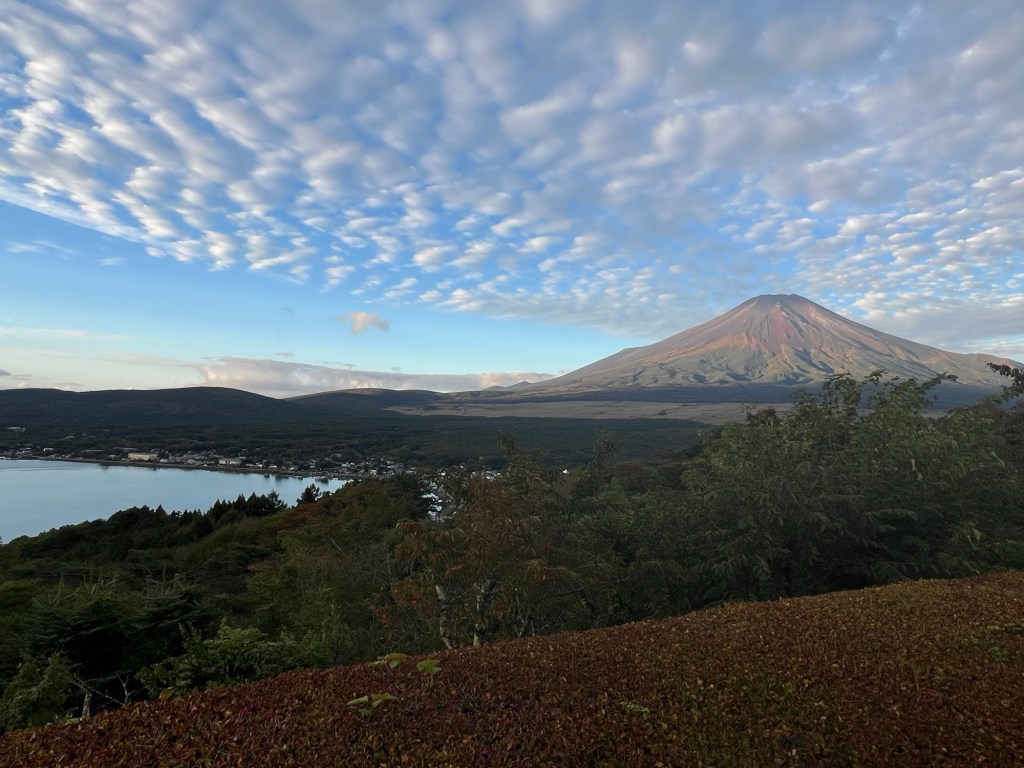
There are early mornings… and then there are Mt. Fuji early mornings—the kind that make you forget you ever needed an alarm because the universe does the job for you.

A Sunrise with Mt. Fuji (AKA: The Morning My Jaw Permanently Dropped)

Shannon shot awake before dawn, and within seconds I heard her gasp. Not the “I forgot to pack my charger” gasp—the “OH MY GOSH LOOK OUT THE WINDOW” gasp.

Our hotel room had an unreal, almost too-perfect view of the lake and Mt. Fuji, and as the sun began to rise, the mountain slowly revealed itself in full, crystal-clear glory.

We sprinted outside like we were competing in the Travel Blogger Olympics, snapping as many photos as our fingers could handle. The sky blushed pink, the lake shimmered, and Fuji stood there like the world’s most photogenic supermodel. It was one of those rare, stunningly clear mornings you hope for but never expect—and we soaked up every second.

Off to Tokyo! First Stop: Meiji Jingu

After prying ourselves away from Fuji’s perfection, we boarded our bus to Tokyo and kicked off the day at Meiji Jingu, a massive Shinto shrine tucked inside the peaceful forests of Yoyogi Park.

Fun Fact:

Meiji Jingu was built in 1920 to honor Emperor Meiji and Empress Shōken. Volunteers from all over Japan donated more than 100,000 trees to create the forest that surrounds the shrine. Today it feels like stepping into a quiet, sacred world hidden inside the city’s busiest neighborhoods.

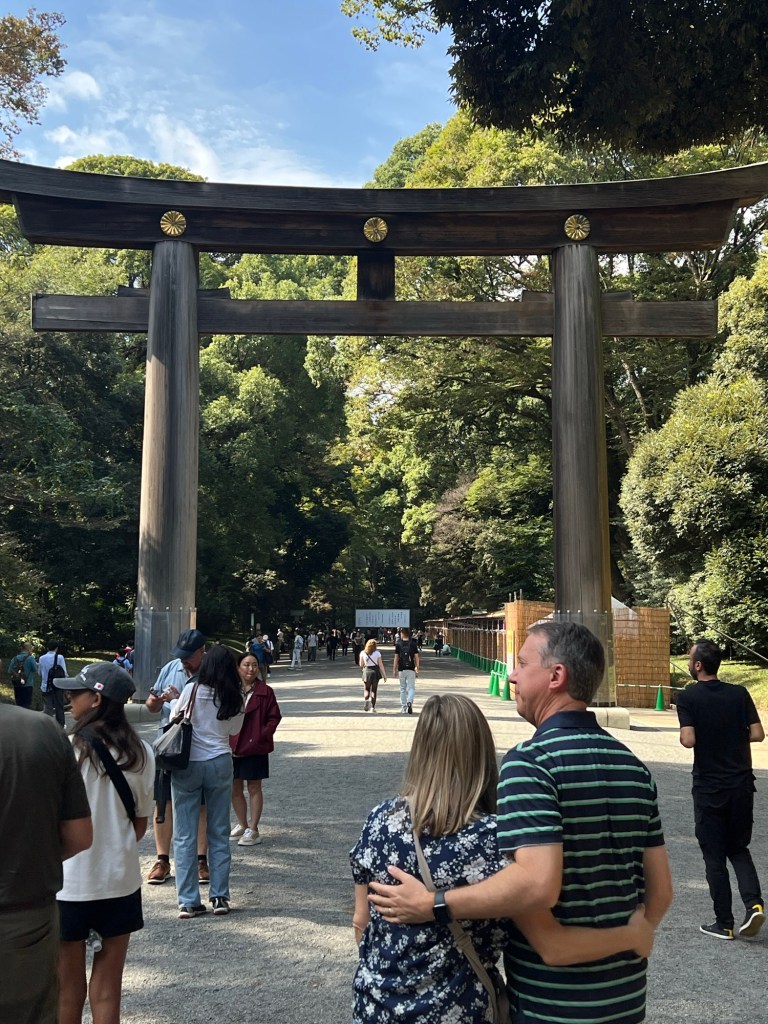
We wandered through towering torii gates, enjoyed the hush of the trees, and—lucky us—arrived just in time to witness a traditional wedding procession. The bride glided under a red parasol, the groom beside her, both surrounded by monks and family. It was elegant, romantic, and enough to make my heart sigh dramatically into the humid Tokyo air.

Cue the Chaos: Shibuya District

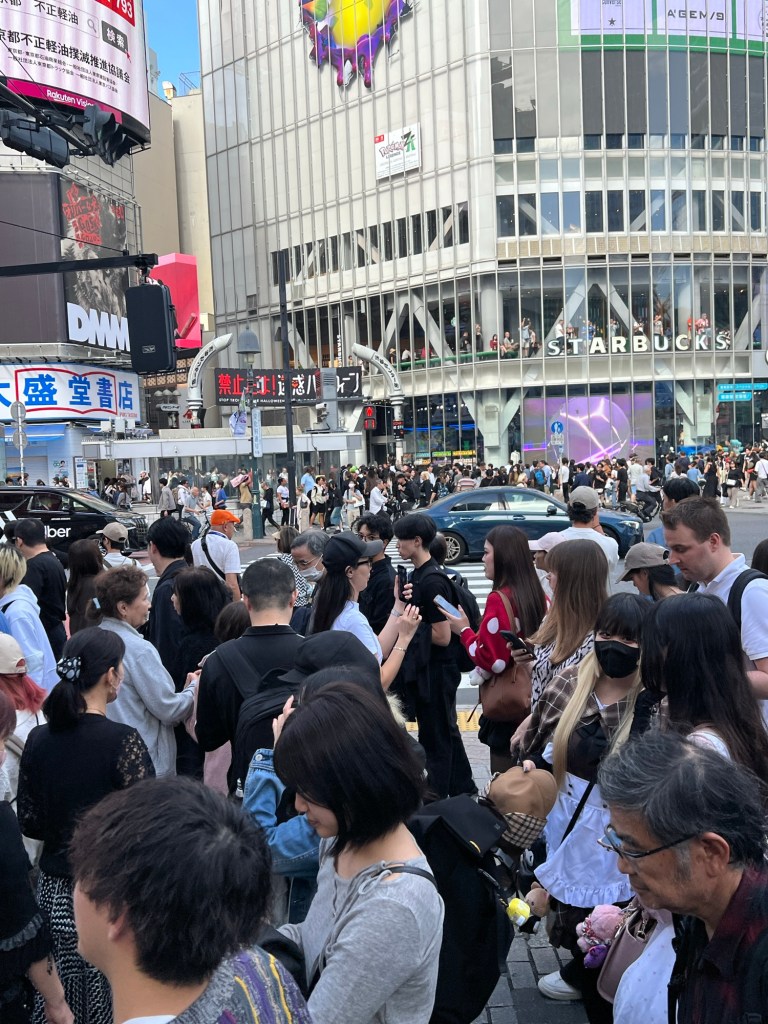
From meditation to madness—we headed into Shibuya, of course stopping at the legendary Shibuya Crossing.
Fun Fact:

Shibuya Crossing is often called “the busiest pedestrian crossing in the world.” During peak times, as many as 3,000 people cross every time the lights turn green. Controlled chaos at its finest.

We did the obligatory video of ourselves crossing (tourist rights!) and then headed to see Tokyo’s most loyal pup.

Fun Fact About Hachikō:

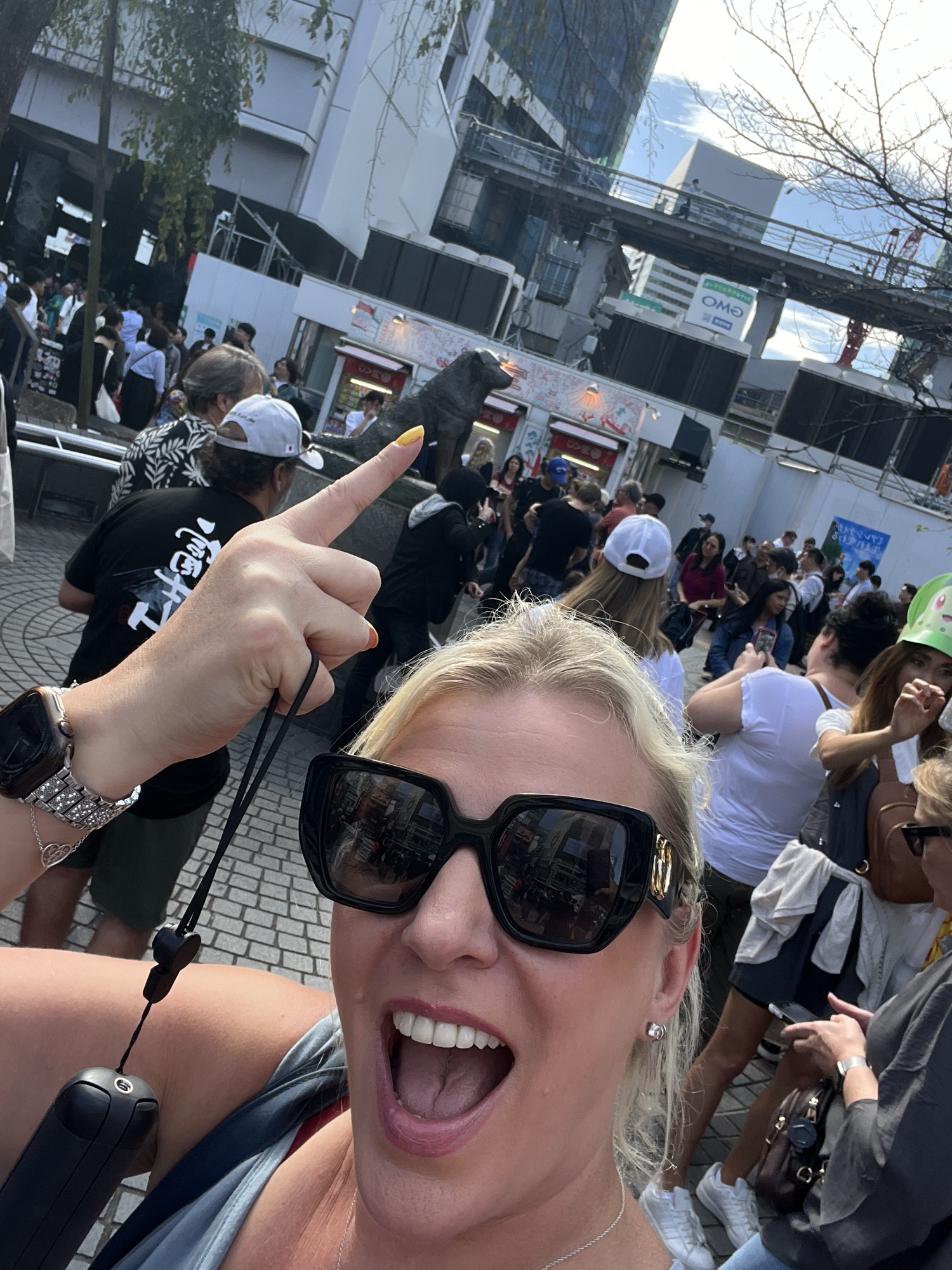
Hachikō was an Akita dog who waited every day at Shibuya Station for his owner—even after his owner passed away. He continued waiting for nearly 10 years, and his devotion made him a national symbol of loyalty. His statue now stands outside the station and is one of Tokyo’s most beloved meeting spots.

Naturally, we took a thousand photos with him.

From there, we grabbed some sushi and then made an adrenaline-fueled run through Don Quixote, Tokyo’s multilevel, neon-lit treasure trove of snacks, souvenirs, and “did I really need this?” purchases.

Then—because one crossing is never enough—we went up to a viewing deck for the bird’s-eye view. Being inside the crossing is an experience, but watching it from above? That’s performance art.

Royal Views at Kokyogaien National Gardens

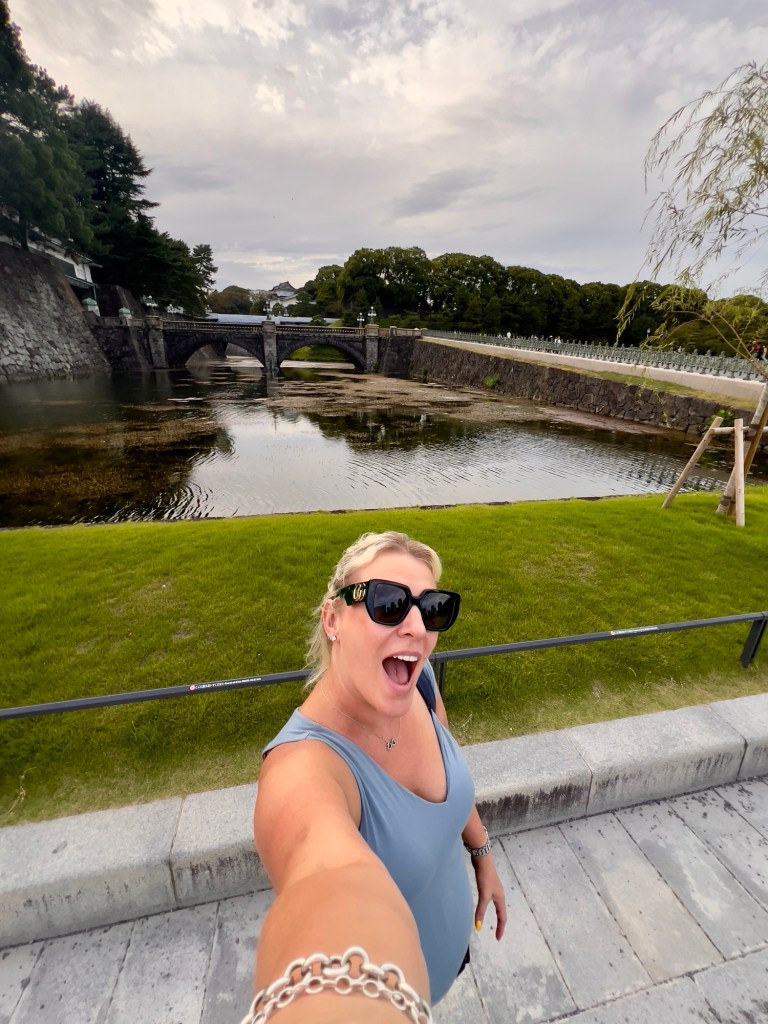
Next, we wandered over to the Kokyogaien National Gardens, where you can view the Imperial Palace from the beautifully manicured grounds.

We even managed to catch the changing of the guards—crisp, precise, and well worth the wait.

What was not worth the wait?
Being denied gold leaf ice cream because we were literally the last two in line.

The. Last. Two.

Shannon and I stood there holding our emotional support yen, watching the couple in front of us walk away with sparkling cones like they were in a dessert commercial. Soul-crushing doesn’t begin to cover it. The universe giveth (Mt. Fuji sunrise) and the universe taketh away (gold ice cream betrayal).

Tokyo Evenings: Wandering, Eating, Sipping

We finished the day by checking into our hotel and wandering through Tokyo’s glowing streets, stopping for local bites and beverages.

A highlight?
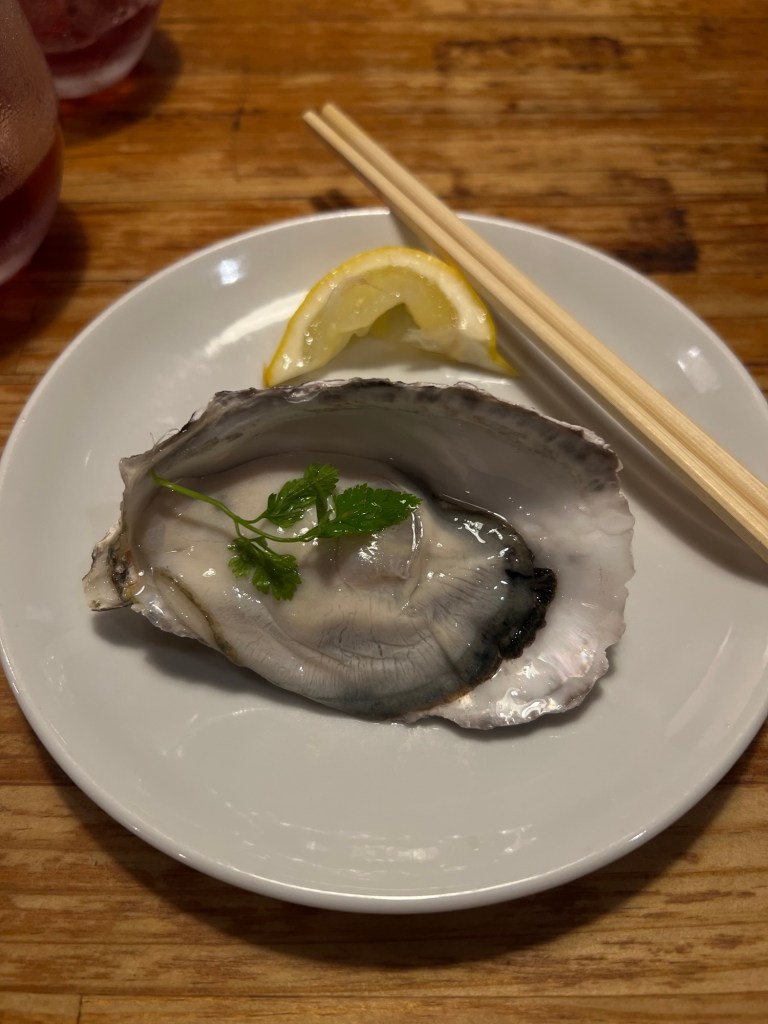
THE OYSTERS.
Please listen to me: get the oysters. The seas of Japan are generous, and your tastebuds will thank you.

Kyoto to Mt. Fuji — The Long Road to Japan’s Iconic Peak

Leaving Kyoto felt a bit like waking up from a dream. The calm temples, the quiet whispers of bamboo, the scent of matcha in the air—all fading in the rearview mirror as we began our long road trip toward Mt. Fuji. It’s one of those drives that feels like you’re slowly peeling back layers of Japan’s geography and soul, moving from cultural heartland to the country’s most iconic natural wonder.

Somewhere along the highway, in that delightful middle-of-nowhere stretch between Kyoto and Fuji, we made what turned out to be one of the most unexpectedly magical stops of the trip—NEOPASA Okazaki Nobori. For those who haven’t had the pleasure, this isn’t your average roadside rest area. Think more “mini futuristic shopping village” than “gas station pit stop.”

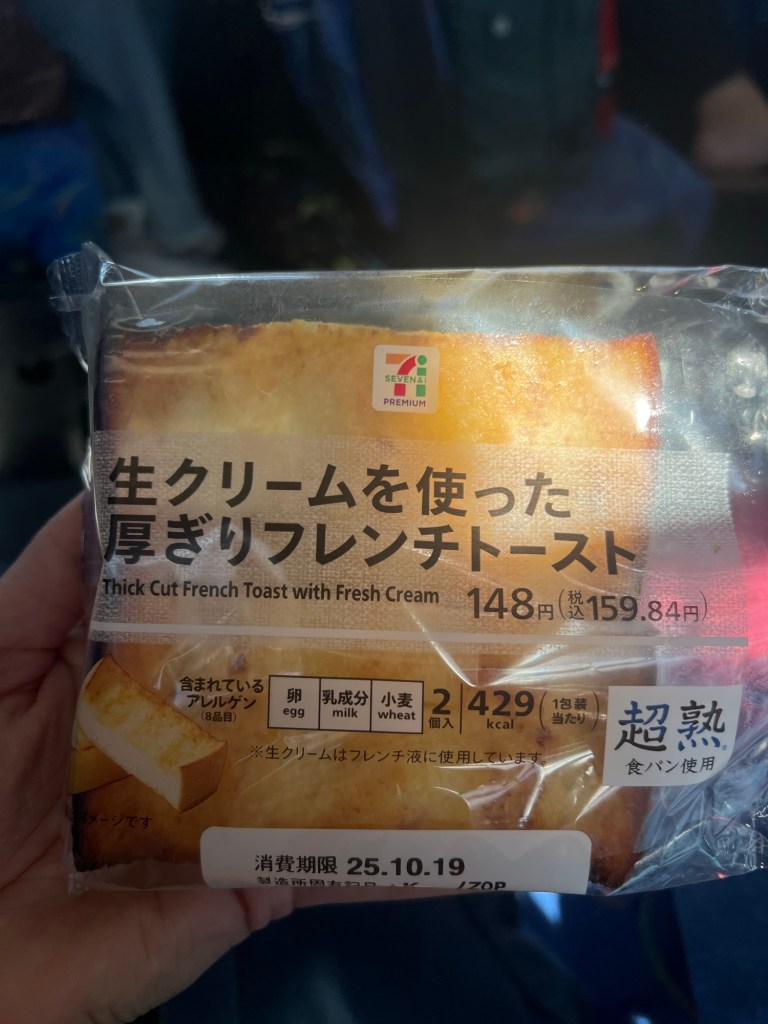
And there, tucked inside, was the humble hero of modern Japan: 7-Eleven.

Now, if you’re from the U.S., you might be imagining questionable hot dogs and sad-looking taquitos that make you rethink every life choice that led you to that moment. But in Japan? 7-Eleven is a culinary wonderland. Perfectly packaged onigiri (rice balls), steaming bowls of curry rice, fresh sandwiches that somehow taste like they were made by angels, and desserts that look straight out of a Tokyo pâtisserie. I may or may not have eaten my weight in egg salad sandwiches—and I’m not even sorry.

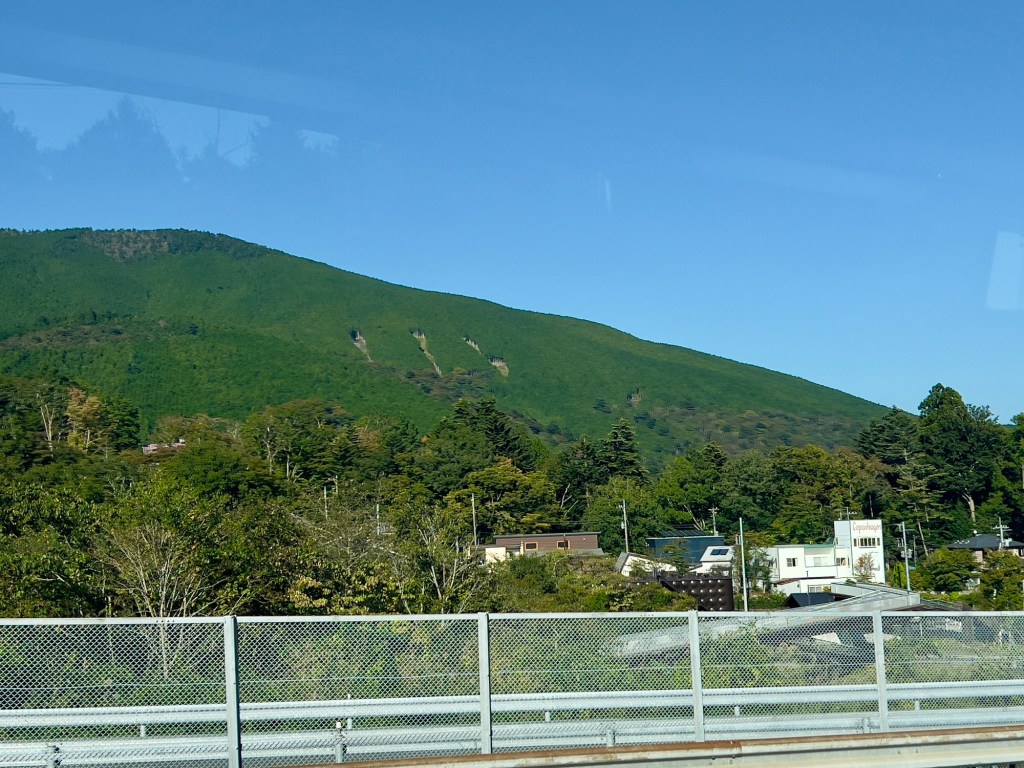
Back on the road, I was struck by something I hadn’t expected at all: Japan is incredibly mountainous. For an island nation, I thought it would be rolling hills and coastal views, but over 70% of Japan is actually mountains! The drive is a continuous dance through tunnels, across bridges, and up winding roads that hug the ridgelines of ancient peaks. It’s stunning, humbling, and a reminder that Mt. Fuji isn’t Japan’s only mountain—it’s just the most famous one.

Passing Aokigahara (The “Suicide Forest”) on the Way to Mt. Fuji

As you approach Mt. Fuji, the road skirts the edge of Aokigahara Forest, a vast, quiet stretch of woodland often referred to in the media as the “suicide forest.” From the road, it looks almost impossibly serene—lush green, sun-dappled, and peaceful. But its beauty is haunting: the forest is extremely dense, growing over hardened volcanic rock from an ancient eruption of Mt. Fuji. The thick canopy blocks much of the sunlight, creating a natural silence that feels otherworldly.

Aokigahara has long carried a heavy cultural reputation. While the forest itself is not inherently dangerous, it has become known in popular culture as a place associated with despair, and this gives it a solemn, sobering presence. The contrast between what you see from the roadside—calm, untouched nature—and the struggles some people carry into it is striking and emotional.

If you or anyone you know is struggling with feelings of hopelessness, depression, or thoughts of self-harm, there is help, and you don’t have to face those feelings alone. Speaking to someone can make a tremendous difference.

If you’re in Japan:
• Tokyo Mental Health offers English-language support.
• TELL Lifeline (Japan): 03-5774-0992 — open daily.

International resources:
• In the U.S., call or text 988.
• In the U.K. & Ireland, Samaritans are available at 116 123.
• In Canada, call or text 988.
• If you’re elsewhere, local crisis numbers can be found at http://www.iasp.info/crisis-centres or your country’s health services.

Reaching out for help is a sign of strength, not weakness—there are people who want to listen, support, and help you find your way back to safety and peace.

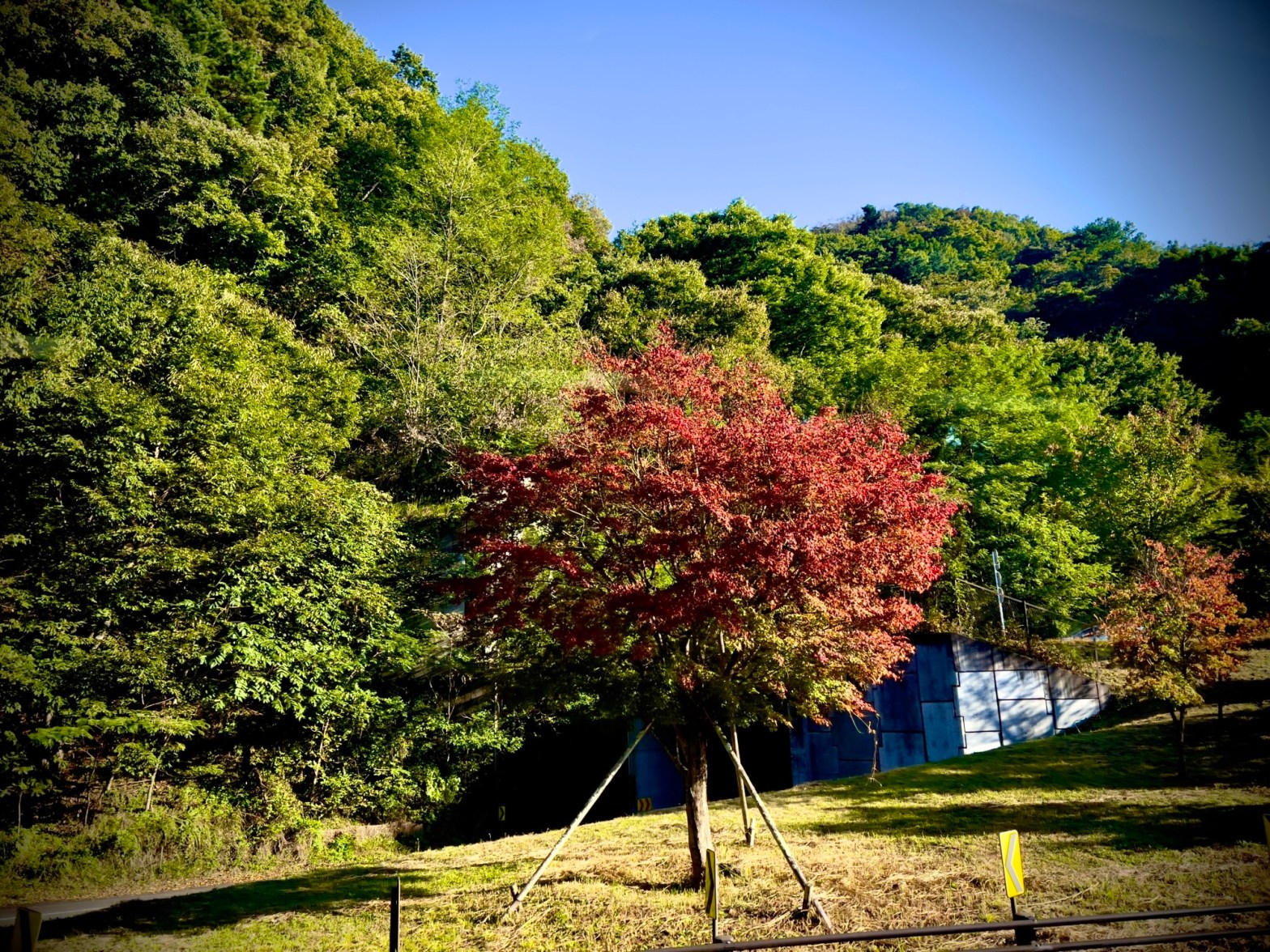
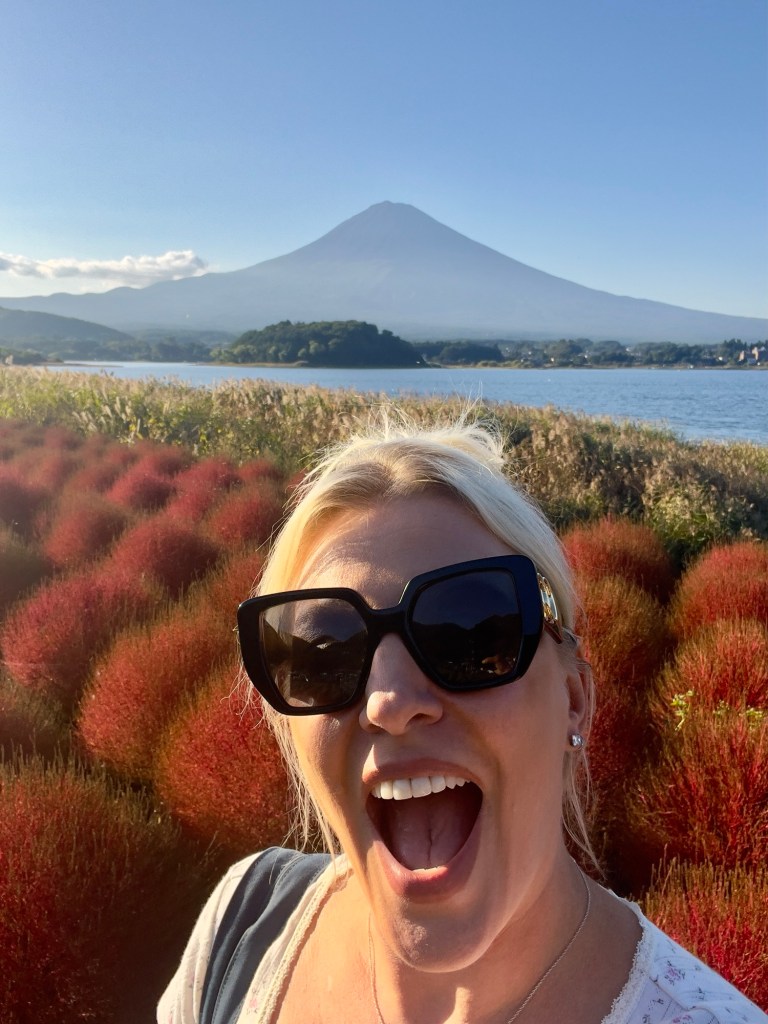
As we approached the Fuji region, the scenery began to shift. Lakes appeared like mirrors in the landscape, reflecting clouds that looked almost close enough to touch. And thanks to a sudden cold spell the night before, the maple trees had just started to turn that unbelievable shade of brilliant red that Japan is so famous for in autumn. It felt like the world had turned up its saturation dial just for us.

And then, there she was—Mt. Fuji, standing tall, symmetrical, and impossibly serene. We made our way to Oishi Park, one of the best vantage points to view the mountain, and it did not disappoint. Fun fact: Mt. Fuji is only visible about 80 days a year—the rest of the time she hides shyly behind clouds or mist. So to arrive on a crystal-clear day? That’s pure luck, and I don’t take it lightly.

Oishi Park is a photographer’s dream: a meticulously landscaped garden filled with seasonal flowers, from lavender in summer to cosmos in autumn. You can frame your shot of Fuji with colorful blooms in the foreground, or capture the reflection of the peak in the still waters of Lake Kawaguchiko just beyond. Every direction you turn feels like a postcard waiting to happen. We must have taken a hundred photos—each one more breathtaking than the last.

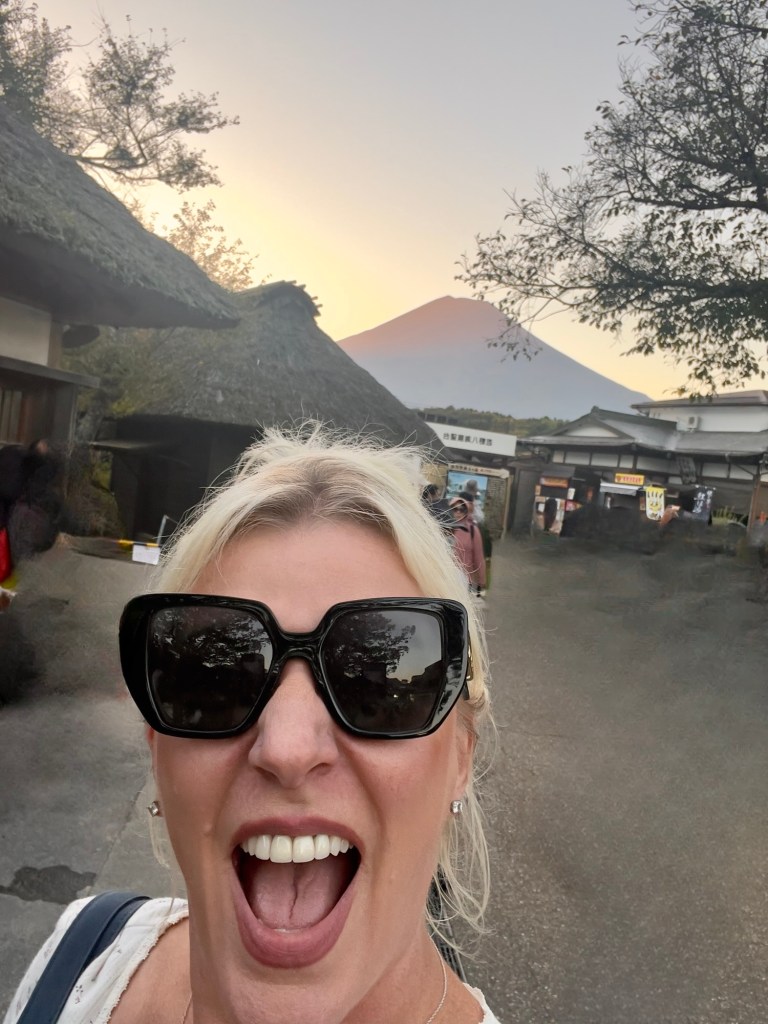
As the sun began to dip behind the mountain, we made our way to Oshino Shibokusa, a charming village nestled between Lake Yamanaka and Lake Oshino. It’s known for its series of crystal-clear ponds fed by snowmelt from Mt. Fuji that’s been filtered through volcanic rock for decades. The most famous, Oshino Hakkai, is considered sacred and has been revered for centuries. The clarity of the water is mesmerizing—you can see every pebble, every ripple, like time itself has slowed down inside the pond. Locals treat it with quiet respect, and it’s easy to see why—it’s not just beautiful, it feels spiritual.

The perfect ending to a day full of wonder happened when we checked into Hotel Mt. Fuji, where we discovered the true bliss of Japanese hospitality: the onsen.

Slipping into the outdoor hot spring bath, with the cool night air brushing my face and the faint outline of Fuji silhouetted against the stars, was nothing short of magical. The water, rich with minerals, seemed to melt away every ounce of fatigue from the road. There’s something about soaking in a natural hot spring while staring at Japan’s most sacred mountain that makes you realize—this is what travel dreams are made of.

Embers Beneath the Ordinary

The Sunday morning sunlight was too cheerful for the fog in Christine’s head and the hollow ache in her chest. From the living room, the low, predictable roar of a football crowd bled through the wall, a sound as constant and unchanging as the worn pattern on the sofa where her husband, Paul, was permanently ensconced. “I’m not feeling well,” she said, her voice barely a whisper against the commentators’ drone. “I’m going to lie down.”

A grunt was his only reply. He didn’t turn his head, didn’t ask what was wrong, didn’t notice the slight tremble in her hand as she pressed it to her forehead. The passion hadn’t just left their marriage; it had packed its bags, left a vague note, and vanished without a trace, leaving behind only the comfortable, soul-crushing silence of mutual appreciation.

Alone in the cool dimness of her bedroom, she scrolled through her phone, the blue light a poor substitute for human warmth. And then she saw him. A face in a local news article, familiar and intriguing. Coach Jacob Miller. Offensive Line. The local junior college. Her thumb moved on its own, typing a direct message before her sensible mind could intervene. You look familiar. How do I know you?

The reply was instant, charming. “Probably from your son’s games. I’m the guy trying to recruit him.” He suggested a tour. A tour of the facilities. Her heart hammered against her ribs, a frantic, forgotten rhythm.

The next day, the chemistry was a live wire. He was everything Paul wasn’t: focused, intense, his eyes holding hers with a magnetic pull. In the weight room, he stood behind her, a solid wall of heat and muscle. His front pressed against her back, and she felt it—the hard, thick outline of him through his coaching shorts, a promise pressed against the curve of her rear. A shudder, hot and liquid, ran through her core, a sensation so foreign and potent it left her breathless.

That evening, as Paul absentmindedly asked about dinner from his spot on the sofa, her phone pinged. A new message from Jacob. I need to see you again. And just like that, the plan was made. Sunday. During the game. The grocery store parking lot. A perfect, clandestine cover.

When his low-slung sports car purred beside her hulking SUV, the contrast was obscene. Her car was a vessel of motherhood, of packed lunches and muddy cleats. His was a machine built for a single purpose: pleasure. She slid into the passenger seat, the leather groaning under her weight. His hand didn’t hesitate. It found her thigh, his fingers pressing possessively into the soft denim of her jeans. A low moan escaped her lips, a sound of pure, unadulterated want.

He drove, one hand on the wheel, the other working its way higher up her leg, his thumb tracing circles that burned through the fabric. She was melting, every nerve ending hyper-aware of his proximity, his scent of clean sweat and expensive cologne. They didn’t speak. They didn’t need to.

The hotel room door had barely clicked shut before his mouth was on hers, not with gentle affection, but with a raw, claiming hunger that stole the air from her lungs. His hands were everywhere, pulling at her clothes, his touch firm and knowing. Her blouse fell open, and his mouth left hers to descend, his tongue circling a nipple through the lace of her bra before pulling the fabric down to take the pebbled peak into the scorching heat of his mouth. She cried out, her fingers tangling in his hair, holding him to her as a bolt of pure lightning shot straight to her core.

He walked her backward toward the bed, stripping her bare with an efficiency that spoke of confidence. When he finally shed his own clothes, her eyes drank him in. He was all sculpted muscle and taut skin, and his erection stood thick and proud, a testament to his desire for her. He laid her down and didn’t just enter her; he claimed her. Each thrust was a revelation, a piston-driven delivery of a pleasure so deep and consuming it blurred her vision.

This. This is what was missing. The sweat-slicked slide of skin on skin. The guttural, animalistic sounds he made as he drove into her. The way he flipped her over, pulling her hips back against him, filling her even deeper, hitting a spot that made her see stars. She was nothing but sensation, a screaming, quaking thing being expertly played by his hands, his mouth, his cock. Her climax wasn’t a wave; it was a tsunami, breaking over her with a force that shattered her into a million pieces, his own release following with a deep, shuddering groan as he collapsed atop her.
The return to her SUV was a descent back to reality. She cooked dinner that night, the ghost of his touch still humming on her skin, a secret smile playing on her lips as her family asked what was for dinner.

The next Sunday, she told Paul she was meeting girlfriends for lunch. He merely waved a hand, his eyes glued to the pre-game show. The betrayal felt justified.

This time, in the same parking lot, he was slower. More deliberate. A predator toying with his prey. In the cramped confines of the sports car, he kissed her until she was dizzy, his hands exploring, teasing, but never giving her what she truly craved. “Please,” she finally begged, her voice ragged. “Please, Jacob.”

He only chuckled, a dark, thrilling sound. “Please, what?”

“Touch me.”

His fingers finally, finally slipped inside her, and she bucked against his hand, her climax building with an agonizing slowness he controlled completely. He watched her, his devious eyes dark with pleasure as she squirmed, begged, and finally shattered, her scream muffled against his shoulder.

Weeks blurred into a carnal rhythm. She whispered dreams of running away, of a life inside this sports car of passion, but he would only smile that polite, distant smile and change the subject.

Then, one morning, the football season over, the house was quiet. She lay in bed, scrolling, a habit now. She came across a face that looked familiar. The offensive line coach. Jacob Miller. The article celebrated the team’s advance to the national championships thanks to his recruitment skills and his ability to send players to powerhouse schools. It was an old article. From last year.

A cold dread, sharp and final, trickled down her spine. She tapped on his profile. There were no messages in her folder. No record of any conversation. Her breath hitched. The tour? The weight room? The hotel? The desperate, thrilling meetings in the grocery store lot?

The sound of the front door opening echoed through the silent house. “Mom?” her son called out. “What’s for dinner?”

From the living room, she heard the familiar creak of the sofa springs as Paul settled in. “Yeah, honey,” his voice, kind but distracted, filtered down the hall. “I’m getting hungry.”

Christine’s phone slipped from her numb fingers, landing soundlessly on the duvet. She stared at the empty message thread, the dull reality of her pedestrian life closing in around her, the phantom sensations of a fantasy already beginning to fade.

Day 2 in Kyoto: Golden Dreams, Whispering Floors & Endless Orange Arches

Our second day in Kyoto felt like stepping through the pages of a storybook—each temple, pathway, and bowl of ramen revealing a new chapter in this magical city.

Kinkakujichō – The Golden Beginning

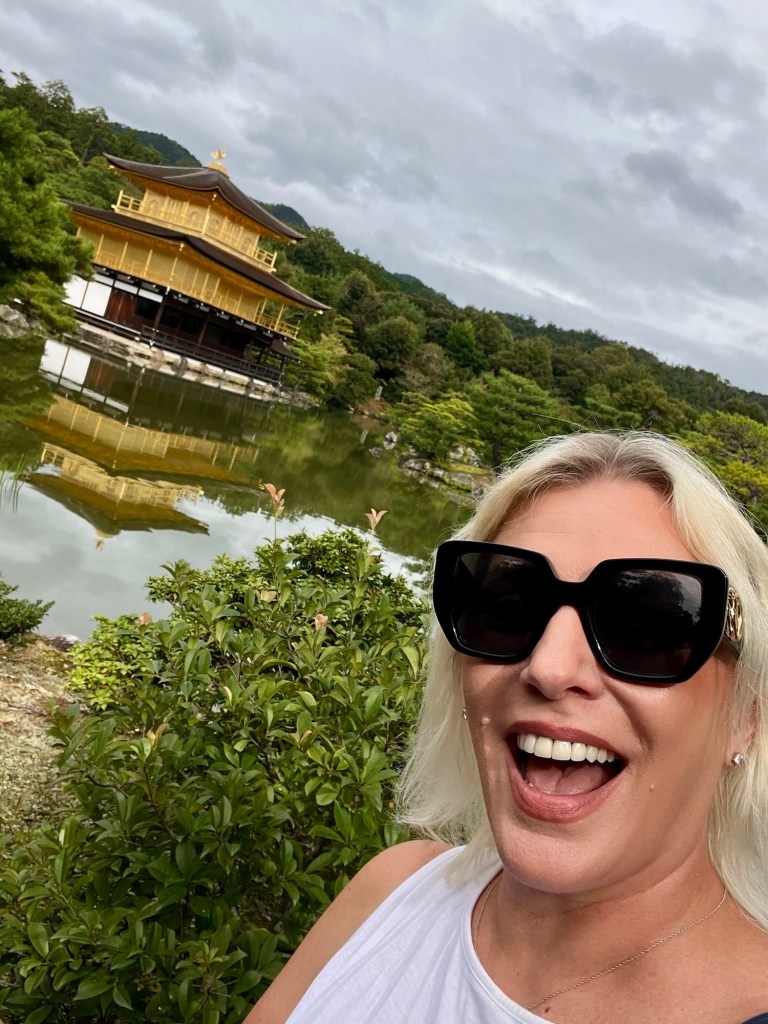
We started the day at Kinkakujichō, home to Kyoto’s most dazzling jewel: Kinkaku-ji, or the Golden Pavilion. The moment the sun hit that gold leaf–covered temple shimmering on the pond, I think my jaw actually dropped.

Fun fact: The pavilion’s top two floors are completely covered in real gold leaf, a symbol of purity and the afterlife in Zen Buddhism. Originally built in the 14th century as a retirement villa for shogun Ashikaga Yoshimitsu, it was later converted into a Zen temple—because apparently, even shoguns need a serene afterlife plan.

As you walk the peaceful path around the temple, you’ll find little spots where you can toss coins for luck—and yes, I tossed more than a few, hoping for good fortune (and maybe a few extra bowls of ramen). At the end of the walk, visitors can light candles for their heart’s desires. There are candles for everything—from health to happiness to, my personal favorite, finding the love of your life. Because let’s be honest, if the universe is taking requests, Kyoto feels like the right place to make one.

Nijō-jō Castle – The Song of the Shoguns

Next, we visited Nijō-jō Castle, a UNESCO World Heritage Site that once housed the Tokugawa shoguns when they came to Kyoto. The sprawling grounds are stunning—wide courtyards, perfectly manicured gardens, and massive stone walls that whisper centuries of history.

But the real magic begins when you step inside and hear the nightingale floors. These wooden corridors were designed to chirp like songbirds with every step, an ingenious early security system to alert guards of intruders. The sound is delicate, melodic, and entirely enchanting—like walking on music.

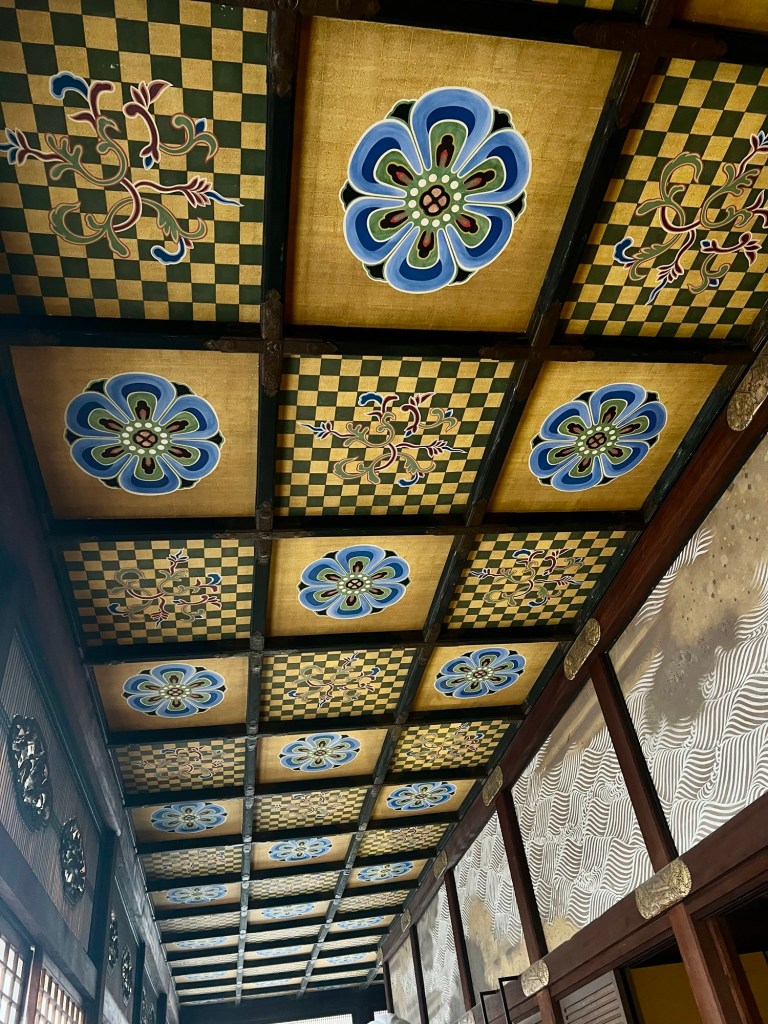
Photography isn’t allowed inside, which makes it all the more tempting when you look up at those breathtakingly painted ceilings—intricate, gold-accented designs that make you consider breaking rules you never thought you would. (Don’t worry, I resisted… mostly.)

Ramen & Retail Therapy in Shikibuchō

After all that walking and wonder, we headed to Shikibuchō for some shopping and food—and wow, Kyoto knows how to deliver both. The shops are vibrant, packed with everything from handcrafted trinkets to stylish kimonos and quirky souvenirs.

We refueled with a bowl of rich, steaming ramen that just hit every note—savory broth, springy noodles, and that perfect runny egg. It was one of those meals that makes you involuntarily smile mid-bite. Simple joy in a bowl.

Fukakusayabunouchichō – Through the Endless Orange Arches

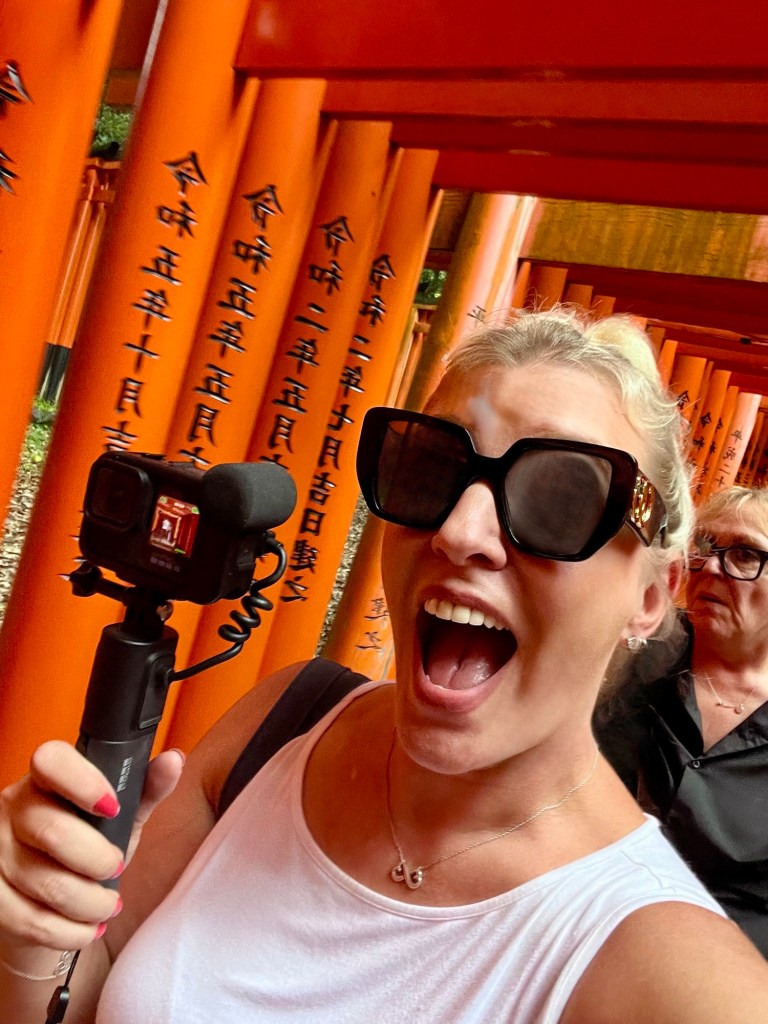
From there, we made our way to Fukakusayabunouchichō, home to the famous Fushimi Inari Taisha—the shrine of endless orange arches. Thousands of torii gates line the mountain path, forming tunnels of brilliant vermilion that seem to stretch into infinity.

Fun fact: Each gate is donated by a business or family, with inscriptions representing gratitude and prosperity. The shrine itself is dedicated to Inari, the Shinto god of rice and business—so it’s a sacred stop for both farmers and entrepreneurs alike. Walking through those tunnels feels like a meditation in motion; every step hums with the energy of centuries of prayers.

Kiyomizu-dera – The View That Steals Your Breath

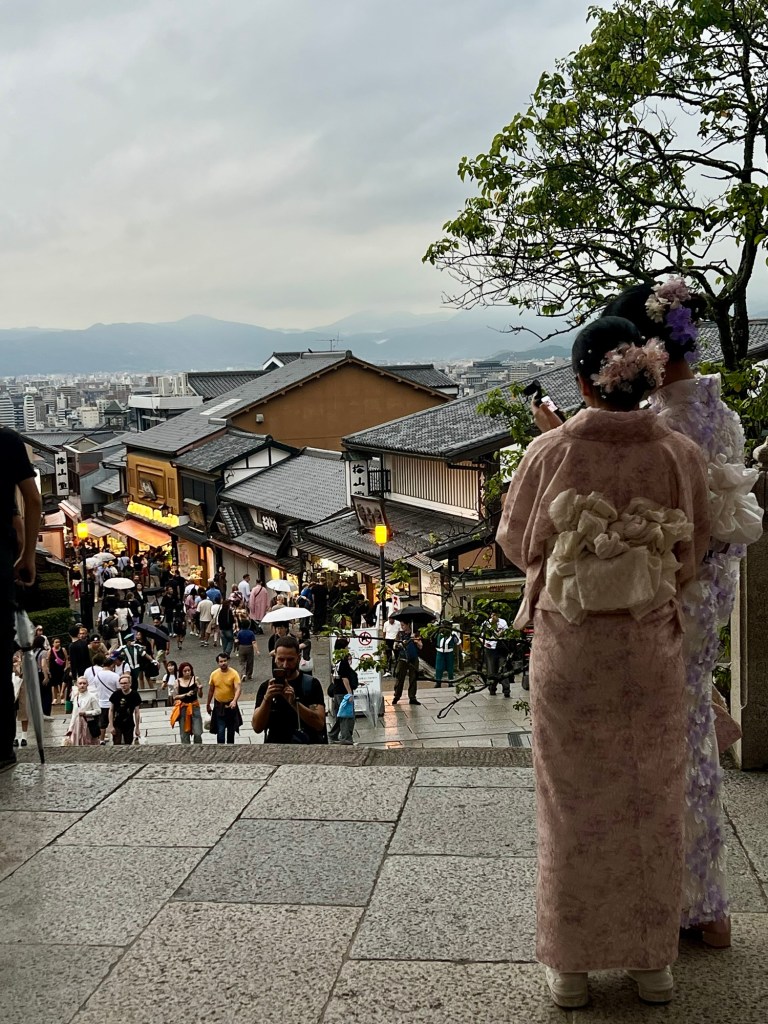
Our last stop of the day was Kiyomizu-dera Temple, perched high above Kyoto and offering one of the city’s most breathtaking views. The temple’s name means “Pure Water Temple,” after the Otowa Waterfall that flows beneath it.

Fun fact: The temple’s massive wooden stage was built without a single nail—a masterpiece of traditional Japanese architecture. From that stage, the panoramic view of Kyoto is absolutely spectacular, especially at sunset.

The gardens are peaceful and lush, and the path leading up to the temple is lined with charming shops selling everything from handcrafted pottery to sweet treats. Naturally, I stopped for some Kobe beef skewers—which, at roughly $26 USD, might not have been the best investment… but sometimes, currency conversion apps make a foodie adventure feel like fate. No regrets.

Kyoto in a Day

Kyoto is a city that captures the heart through its contrasts—ancient temples and modern shops, whispered prayers and lively street chatter, quiet gardens and bustling ramen bars. Every corner seems to tell a story, and every meal feels like an offering. Kyoto isn’t just a destination—it’s an experience, one that stays with you long after you’ve left.
“You Gotta Get Out of Here… Sorry” — The Tagline We Didn’t Know We Needed

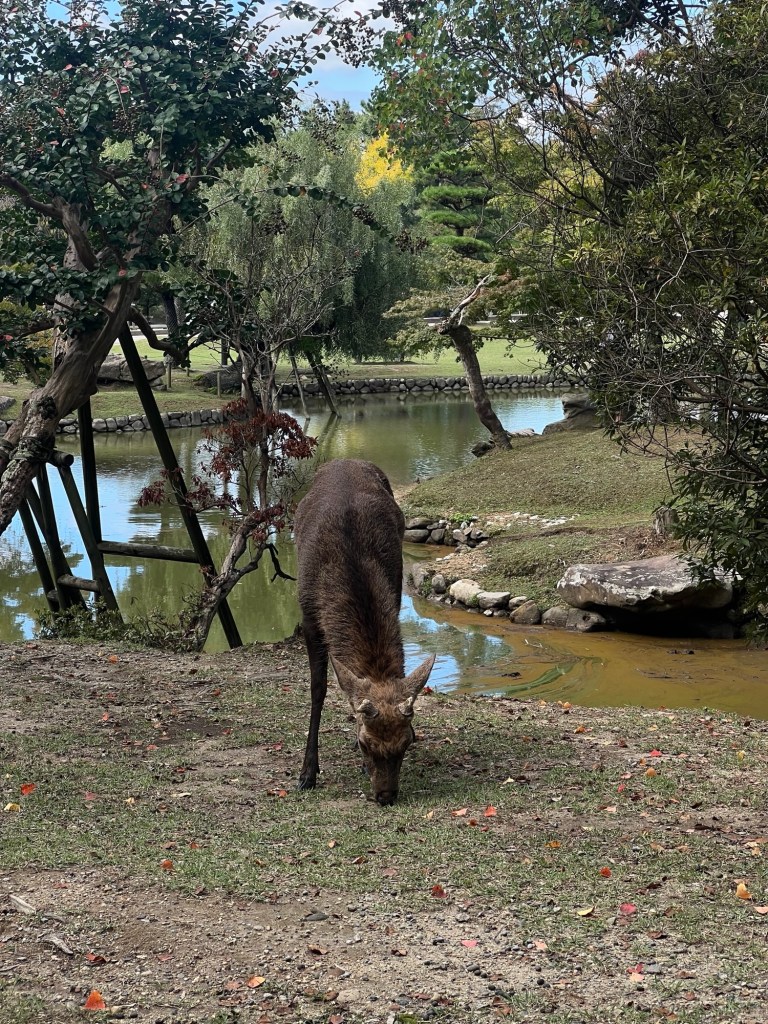
If Osaka was a boisterous party host handing out sake shots and unsolicited life advice, then Kyoto is her elegant cousin who drinks matcha in silk and only speaks when it’s profound. But before we traded neon for nature, we made a very necessary detour: Nara Park—home to 1,200 semi-domesticated deer, an ancient temple or two, and the most unexpectedly polite wildlife encounter of my life.

The thing about Nara is, it’s peaceful… until it’s not. You stroll into this massive park thinking it’s going to be all Zen gardens and gentle breezes, and then—bam!—a herd of deer starts bowing at you for snacks like tiny velvet diplomats.

Nara Park: Where the Deer Have Better Manners Than Most Exes

Yes, they actually bow. Fun fact: it’s a learned behavior. Locals used to bow to show respect before feeding them, and the deer, being both adorable and opportunistic, caught on. Now they bow first—no marriage certificate required.

Between feeding the deer and dodging the occasional headbutt from an impatient one (apparently I wasn’t distributing rice crackers fast enough), we found ourselves at the entrance to one of Japan’s most awe-inspiring landmarks: Todai-ji Temple.

Todai-ji Temple: Big Buddha Energy

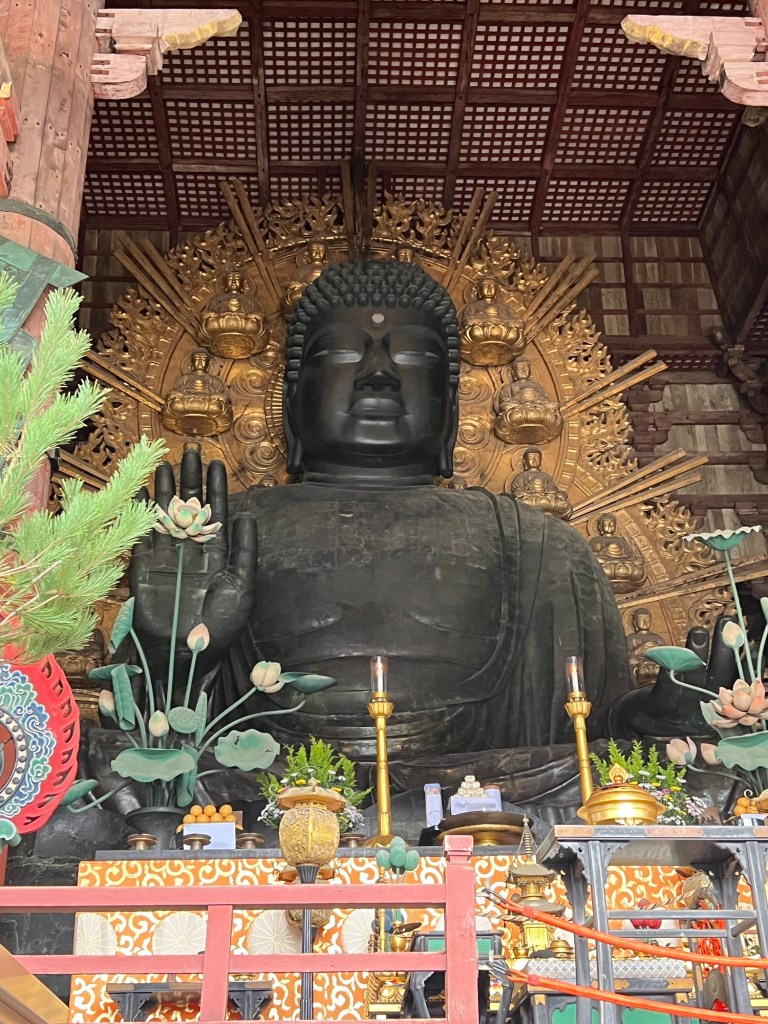
Todai-ji isn’t just a temple—it’s the temple. Built in the 8th century, it houses the world’s largest bronze Buddha, standing over 49 feet tall. (That’s roughly the height of a five-story building, or, if you prefer, two and a half stories of emotional growth.)

Walking into the Great Buddha Hall feels like entering another realm. The sheer scale of it makes you go quiet, even if your usual volume setting is “group chat at brunch.” The air hums with centuries of reverence. I couldn’t help but feel small—in the best way possible.

And because life loves balance, right next to all that serenity is the famous Buddha’s Nostril Hole Challenge—a wooden pillar with a hole the same size as the statue’s nostril. Legend says if you can squeeze through it, enlightenment awaits. Spoiler: I didn’t try. I’ve already been through one tight squeeze this decade.

Kasuga Taisha Shrine: Lanterns and Wishes

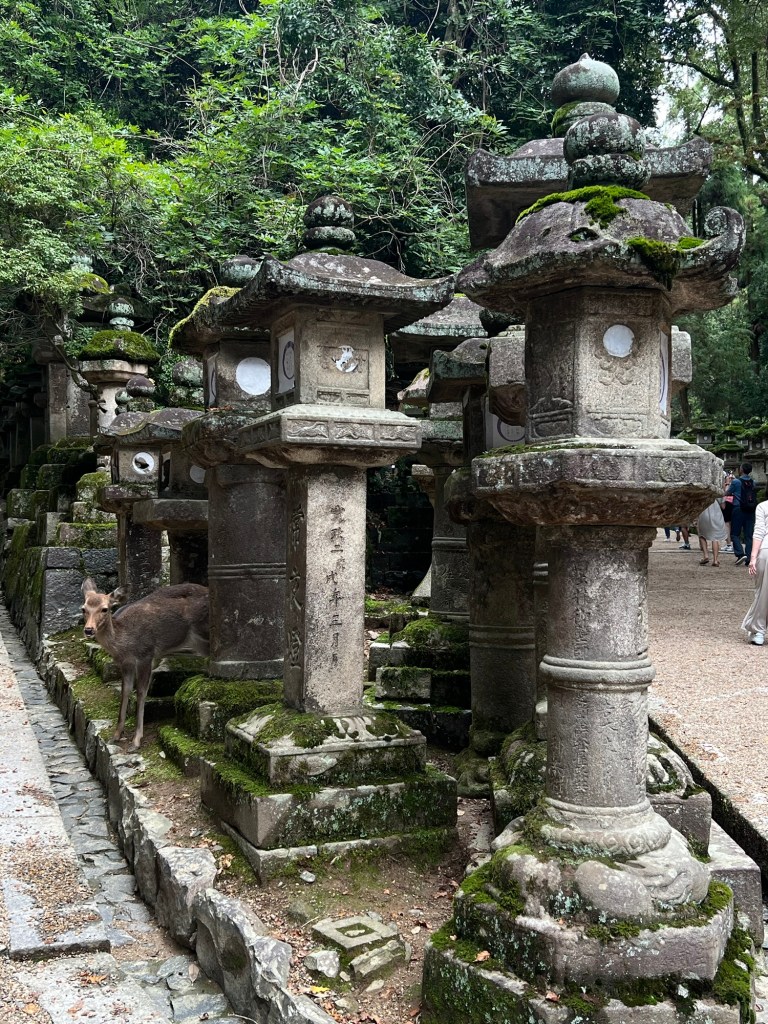
A short, shaded walk from Todai-ji led us to Kasuga Taisha Shrine, famous for its 3,000 stone and bronze lanterns that line the path like an ancient runway. Every February and August, they’re all lit during the Lantern Festivals.

The shrine itself is dedicated to the deity of protection, and after the year I’d had, I left a small wooden ema (wish plaque) asking for strength, joy, and a devastatingly handsome travel companion who doesn’t leave his socks everywhere.

Kyoto: Bamboo, Beauty, and Being Told to Leave (Politely)

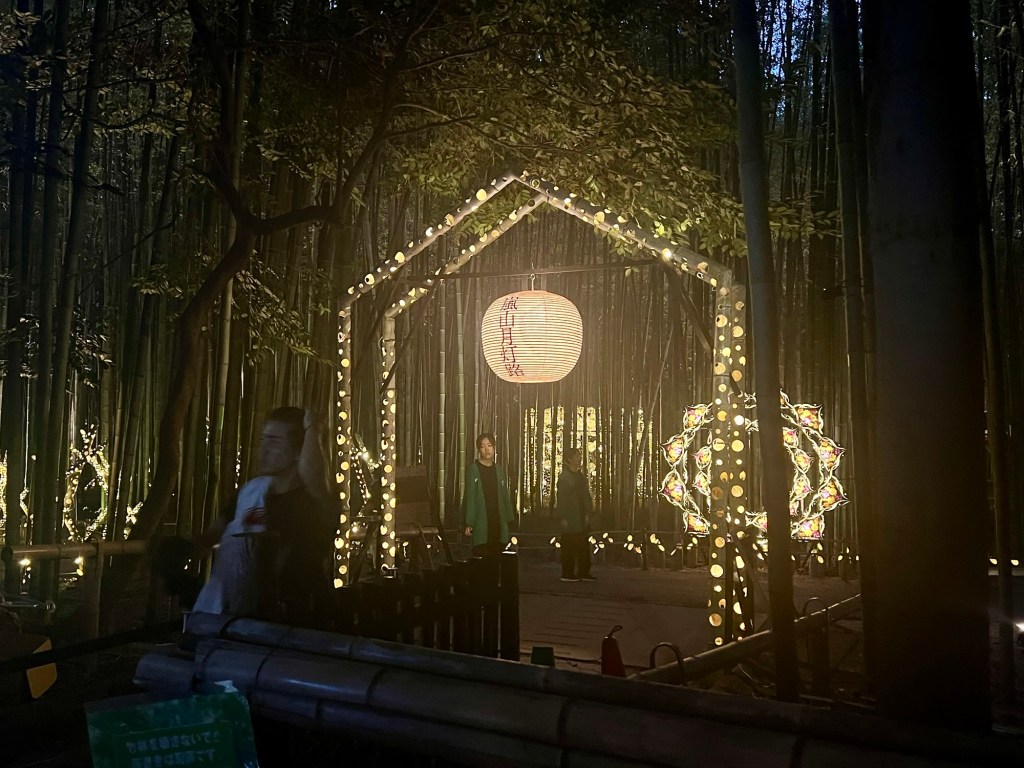
From Nara, we continued on to Kyoto, where our day ended in the famous Arashiyama Bamboo Grove—the kind of place that makes you whisper without realizing it. The path winds through impossibly tall bamboo stalks that sway in the breeze, whispering secrets older than anything we could possibly worry about.

As daylight faded, we heard whispers of the bamboo light-up event happening that evening. So naturally, we did what any group of slightly jet-lagged, overly confident women would do: we tried to sneak in early.
And that’s when we met our new favorite phrase.

A kind, soft-spoken attendant intercepted us mid-attempt and said, in the gentlest voice imaginable,

“You gotta get out of here… sorry.”

No anger. No scolding. Just pure Japanese politeness wrapped in firm boundaries. We backed out laughing, repeating it to ourselves until it became the unofficial tagline of the trip.
Late checkout?
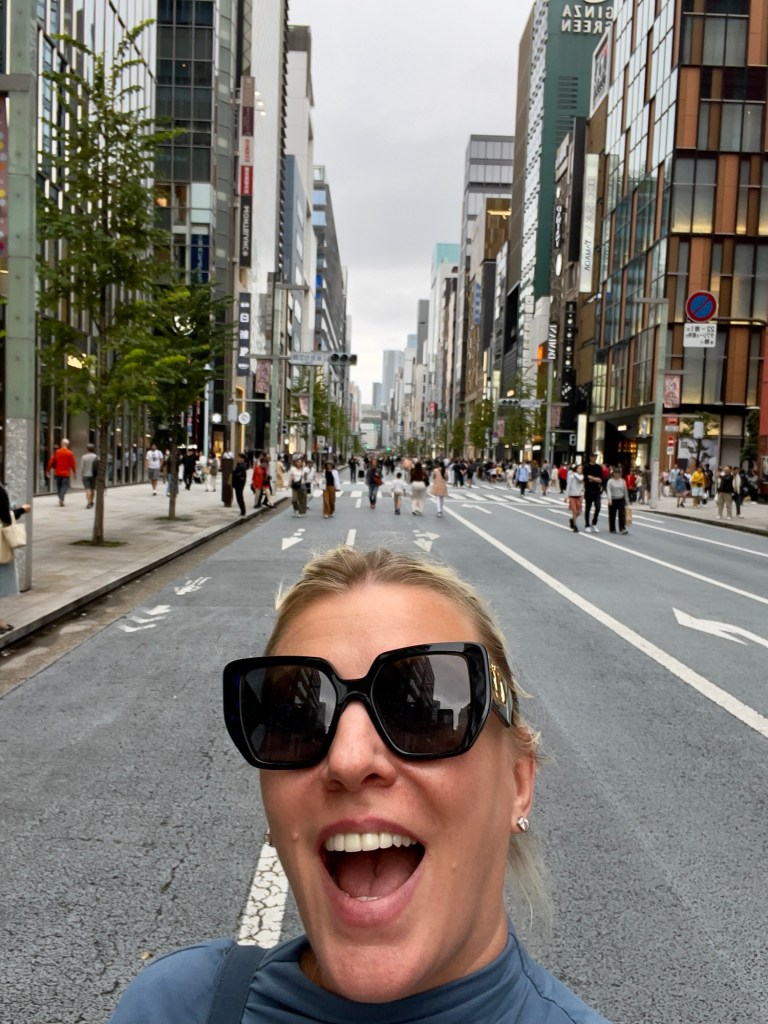
“You gotta get out of here… sorry.”

One more drink?
“You gotta get out of here… sorry.”

Lingering on an ex’s Instagram page?
You already know.

The Lesson in the Leave-Behind

As the lanterns began to glow and the night deepened around Kyoto, I realized how poetic that phrase really was. Sometimes, life itself says, “You gotta get out of here… sorry.” Out of a relationship. Out of a comfort zone. Out of who you were when you stopped choosing yourself.

And yes, it stings a little—like being shooed out of a bamboo forest you were desperate to see—but it’s also an invitation. To move forward. To grow. To make space for what’s next.

All of it reminded me that sometimes, the most polite way the universe can say “you’re ready for more” is with a smile and a gentle,

“You gotta get out of here… sorry.”

Jet Lag, Joy, and Japanese Toilets — a Love Story of Sorts

There’s a unique thrill in walking through LAX solo, passport in one hand, emotional baggage checked at the gate. It’s that unmistakable scent of overpriced coffee, fresh opportunities, and the faint aftertaste of “I’m doing just fine, thank you.”

It all started six months earlier, over gin and laughter at a Galentine’s weekend, when I did what any self-respecting woman with a bad case of wanderlust would do — I invited myself on someone else’s trip. Luckily, these women are the kind who embrace spontaneity, so before long, we had a group chat, an itinerary, and a shared countdown to Japan.

My dear friend Shannon and I roomed together — as we’ve done countless times over the past 25 years. Our friendship has weathered nearly everything life can throw at two people: a brain tumor, buying and selling of homes, marriages, divorces, late nights, and laughter that healed more than a few heartbreaks. What’s evolved between us is something deeper than friendship — it’s family. And traveling with someone who knows your quirks, your caffeine requirements, and your pre-coffee silence? That’s pure luxury.

The flight itself was a blur of snacks, movies, and “Can you believe we’re really doing this?” grins. When we finally landed in Osaka, the jet lag was no match for our excitement. Japan had been calling — and we were finally answering. Destination: Osaka, the loud, proud, food-loving heart of Japan. If Tokyo is the sophisticated older sister, Osaka is the one doing karaoke at brunch and convincing you to take another shot of sake.

First Stop: Osaka Castle

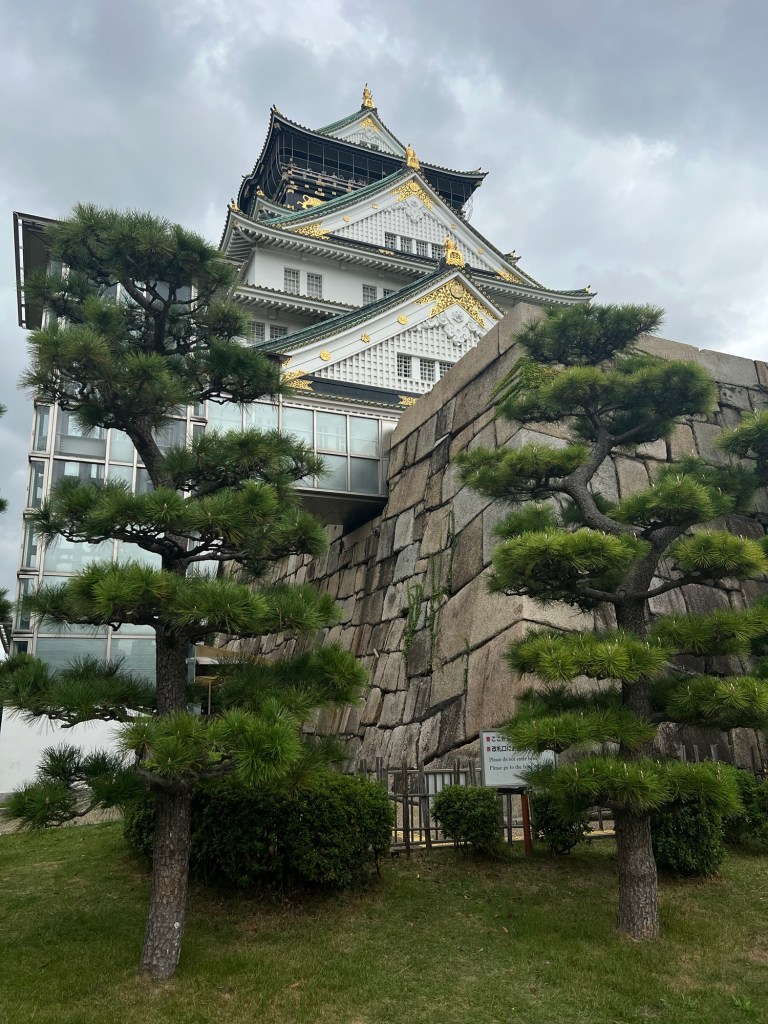
Our adventure officially began at Osaka Castle, one of Japan’s most striking landmarks. Rising proudly above the park’s greenery, the castle looks like something plucked straight out of a storybook — white walls, turquoise roofs, and golden accents that glint in the sunlight.

Fun Facts about Osaka Castle:

  • Originally built in 1583 by the legendary warlord Toyotomi Hideyoshi, the castle played a major role in unifying Japan.
  • The structure you see today is actually a 1931 reconstruction, now housing a museum filled with samurai armor, historical artifacts, and sweeping panoramic views from the top.
  • The castle grounds cover over 100 hectares — perfect for a peaceful walk or a snack stop.
  • During cherry blossom season, the surrounding park turns into one of Osaka’s most photogenic spots (a strong reason to come back).

After wandering through the grounds and snapping photos, we stumbled upon a street vendor selling milk shaved ice — the softest, creamiest frozen treat imaginable. I swear it could convert even the most devoted ice cream purist. Sweet, milky, and blissfully refreshing, it was the perfect way to cool off after exploring in the afternoon sun.

Pro tip: Don’t stop at just one vendor. Try a little bit of everything — takoyaki (fried octopus balls), okonomiyaki(savory pancakes), and anything skewered, grilled, or deep-fried. Osaka is called “Japan’s Kitchen” for a reason — you’ll want to taste your way through it.

An Afternoon in Dōtonbori

That afternoon, we headed into Dōtonbori, the pulsing heart of Osaka. If Osaka Castle is where you go to soak in the past, Dōtonbori is where you come alive in the present.

Fun Facts about Dōtonbori:

  • The Dōtonbori canal was completed in 1612, transforming the area into an entertainment and theater district centuries ago.
  • Today, it’s one of Osaka’s most famous destinations for shopping, dining, and night photography.
  • You can’t miss the Glico Running Man — a massive neon sign that’s been lighting up the area since 1935. It’s basically a rite of passage to pose in front of it.
  • The local saying here is “kuidaore”, meaning “eat until you drop.” (Challenge accepted.)

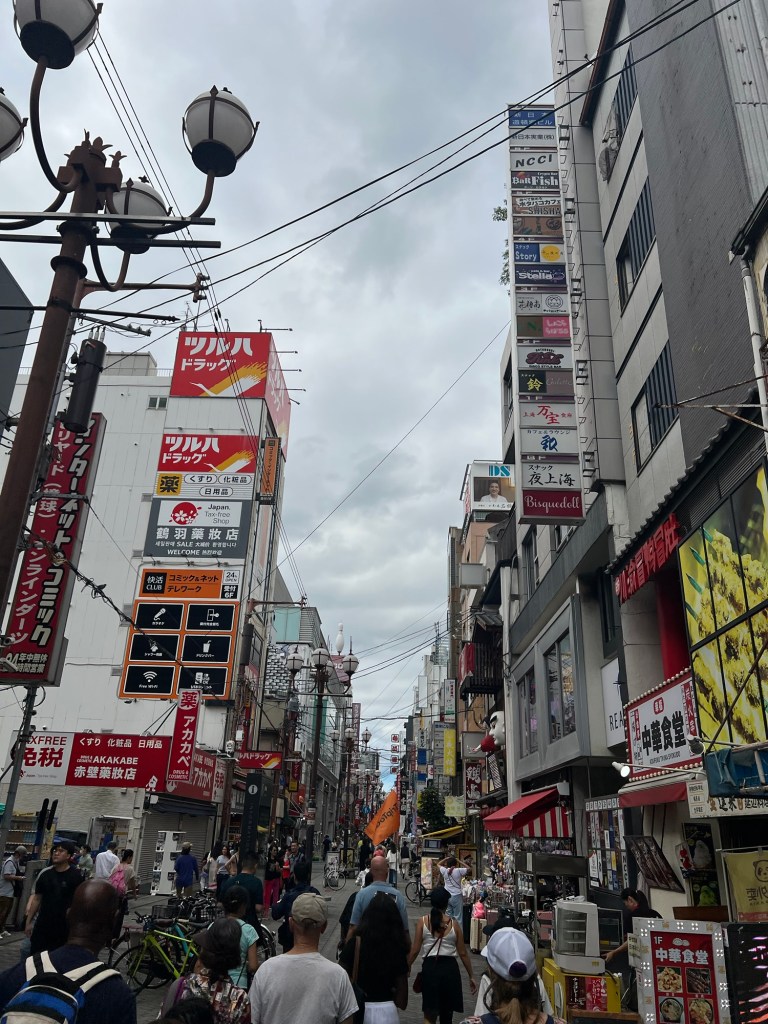
We wandered around, soaking in the chaos of color, the sizzle of street food, and the constant stream of laughter that filled the streets. We shopped, we ate (again), and we got lost more than once — the best kind of lost.

At one point, Shannon and I stopped mid-street just to take it all in. The lights reflected in the canal, the hum of chatter around us, the feeling that we were exactly where we were meant to be.

A Toast to Friendship and New Adventures

Traveling with a friend who’s seen every version of you — the ambitious one, the heartbroken one, the resilient one — is something special. There’s a freedom in it. No pretending, no perfection required. Just laughter, shared wonder, and an understanding nod when someone’s energy dips or snacks are urgently required.

Our first day in Japan wasn’t just about exploring Osaka — it was about rediscovering what makes travel so incredible: connection, curiosity, and a little chaos along the way.

Felicity Arvizu Takes On: Washington, D.C.

They say Washington, D.C. is the beating heart of American democracy. Personally, I’d say it’s more like a heartbeat monitor—beep… beep… pause… “oh, is this thing still on?” But after three days in the nation’s capital, I can confirm: it’s a city worth taking on, even if you nearly end up knocking on the White House door (more on that later).

Day One: Hip Hotels & Political Landmarks

I stayed in Foggy Bottom (yes, that’s the real name) at Truly Yours D.C., a hotel so hip I felt like I should have worn leather pants to check in. The Peruvian fusion food was chef’s kiss, but the real highlight? Their pisco cocktails. Let’s just say I was on a first-name basis with the bartender before unpacking my suitcase.

Fueled by fish ceviche and liquid courage, I ventured to the National Art Gallery, which might just house the world’s largest Degas collection. I’ve never felt so inspired to take ballet—until I remembered I’m 46 with a knee that squeaks louder than a Costco shopping cart.

Next up: the Capitol Building and the Supreme Court, which was ironically under construction during my visit. It felt symbolic.

And because I’m naturally curious (read: nosy), I happened to be near the White House when a big black SUV rolled out of the gates. The gates opened. I thought, Well, don’t mind if I do. Spoiler alert: that is not an invitation to go knock on the front door and ask if the President is home. Security made that very clear.

I ended the day at the National Botanical Garden, which was far safer and smelled better than Secret Service side-eye.

Day Two: Museums, Emotions, and National Guard Selfies

Pro tip: visit the museums in the reverse order of my adventure. Trust me.

I started at the National Museum of African American History and Culture, and it’s one of the most powerful museums I’ve ever set foot in. It’s heartbreakingly honest about slavery, racism, and oppression in America. I left heavy with the reality of how far we still have to go.

Next, the National Museum of American History felt oddly superficial in comparison. Exhibits on Hollywood props and wars didn’t land the same after NMAAHC. Maybe it didn’t help that outside, National Guard “kids” were roaming the streets—some kicking rocks, some taking selfies with tourists, and unintentionally becoming the city’s most accessible tour guides.

Finally, I ended at the Natural History Museum. Gems, minerals, and the Hope Diamond = dazzling. Realizing the exhibit ends with humans messing up the planet = not dazzling. I was one pisco cocktail away from yelling, “Put the Hope Diamond back, maybe it’ll fix everything!”

Day Three: Monuments, Oysters, and Mood Swings

It’s like he’s going to step off his seat!

On my last day, I meandered from Foggy Bottom to the Wharf, visiting the monuments by both day and night. Night wins—the lighting makes them look so majestic you half expect Lincoln to climb down from his chair and offer you life advice.

At the Wharf, I tried the oysters. Delicious, briny, fresh, and probably the closest thing to a spiritual experience I had in D.C.

Final Thoughts

Three days in D.C. barely scratched the surface of its rich (and sometimes overwhelming) history. Between Degas, the Hope Diamond, rethinking the state of democracy, and resisting the urge to tap on the White House door, I came away full—of oysters, emotions, and pisco cocktails.

Would I go back? Absolutely. But next time, I’m bringing comfier shoes, a sturdier emotional core… and maybe a better excuse for why I thought walking into the White House was a good idea.

Day 6: Nuuk’d Up- Wind, Whale Snacks, and a lot of Reindeer

If you had told me a few years ago that I’d spend a Wednesday afternoon eating whale jerky and shopping in the only mall in Greenland, I probably would’ve nodded politely and backed away slowly. And yet—here we are.

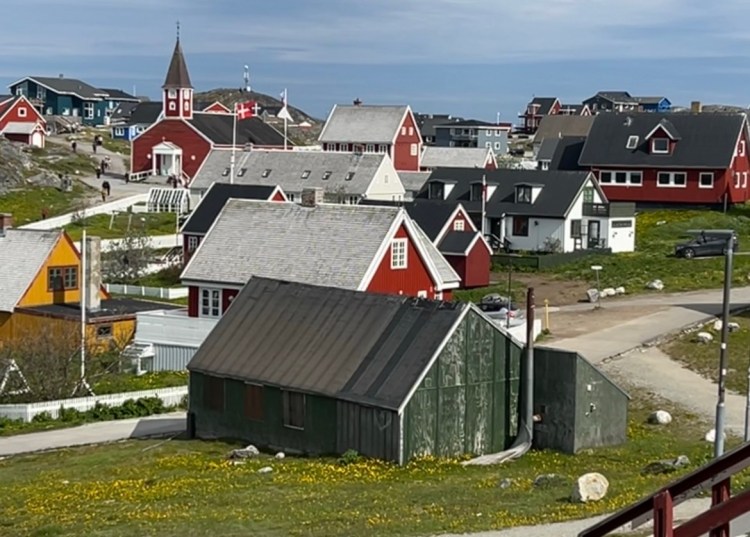
Welcome to Nuuk, the capital of Greenland and the literal heartbeat of this icy island. Nuuk is where old-world Inuit tradition meets minimalist Danish design, where the wind slaps you with all the warmth of a scorned ex, and where I ate enough reindeer in one sitting to feel morally conflicted and deeply satisfied.

Let’s dig in, shall we?

Nuuk: A Cold, Colorful Blend

Screenshot

Nuuk has about 19,000 residents and more personality than cities ten times its size. It’s the oldest city in Greenland, founded in 1728 by Danish-Norwegian missionary Hans Egede. And wow, you can feel the layers of history here—Inuit roots, colonial influences, and a vibrant reclamation of indigenous culture.

The city has three official languages: Kalaallisut (Greenlandic), Danish, and English—and don’t worry, they’ll forgive you for butchering all three.

The architecture? A delightful clash of Danish modernism meets Arctic survivalism. Think: clean lines, muted tones, and buildings designed to outwit wind speeds that feel like they’re trying to exfoliate your face from the bone.

The Arctic Winter Games: Olympics, But With Seal Skin Boots

On today’s walking tour, I learned about Nuuk’s big moment on the international stage—hosting the Arctic Winter Games in 2016.

Started in 1970, the games are like the Olympics…if the Olympics were held near the North Pole and included events like two-foot high kick and ear pull (yes, actual events). Athletes come from across the circumpolar north: Alaska, Northern Canada, Greenland, the Sámi regions, and even parts of Russia.

The indigenous games are the real show-stealers. These are ancient, passed-down tests of strength and endurance used to train for survival in brutal conditions. And honestly? Watching a teenager launch themselves straight up into the air using both feet made me question every decision that led me to quitting yoga.


The Cultural Center That Found Its True Calling

We visited Nuuk’s cultural center, originally designed to be a music school… until they realized the acoustics were better suited for yelling into the void than, say, a cello concerto. But what it lacks in sonic perfection, it makes up for in community spirit. Today, it serves as a beloved gathering place for locals—and it’s right next to the only mall in Greenland.

And let me tell you, I did not expect to want everything in that mall. There’s something magical about the blend of Inuit craftsmanship with Danish minimalism—a beautiful balance of practical and elegant. I bought what I could, cried softly at the suitcase limit, and made a vow to return with a second carry-on and a slightly less ethical approach to airline baggage fees.


Kaffemik: My New Favorite Party Format

The real highlight of the day? A kaffemik. What’s a kaffemik, you ask?

It’s a Greenlandic tradition of hosting friends and family at home for coffee, cake, snacks, and storytelling. It can celebrate birthdays, graduations, or, as in my case, just the joy of being in good company. It’s cozy, warm, and so deeply human.

Our host sang traditional songs and played the drum—an act that once would’ve been banned. During the days of Lutheran colonization, music and drumming were suppressed, viewed as “pagan” and “inappropriate.” But today, Greenlanders are reclaiming their musical heritage, and let me tell you, the rhythm goes straight to your soul.

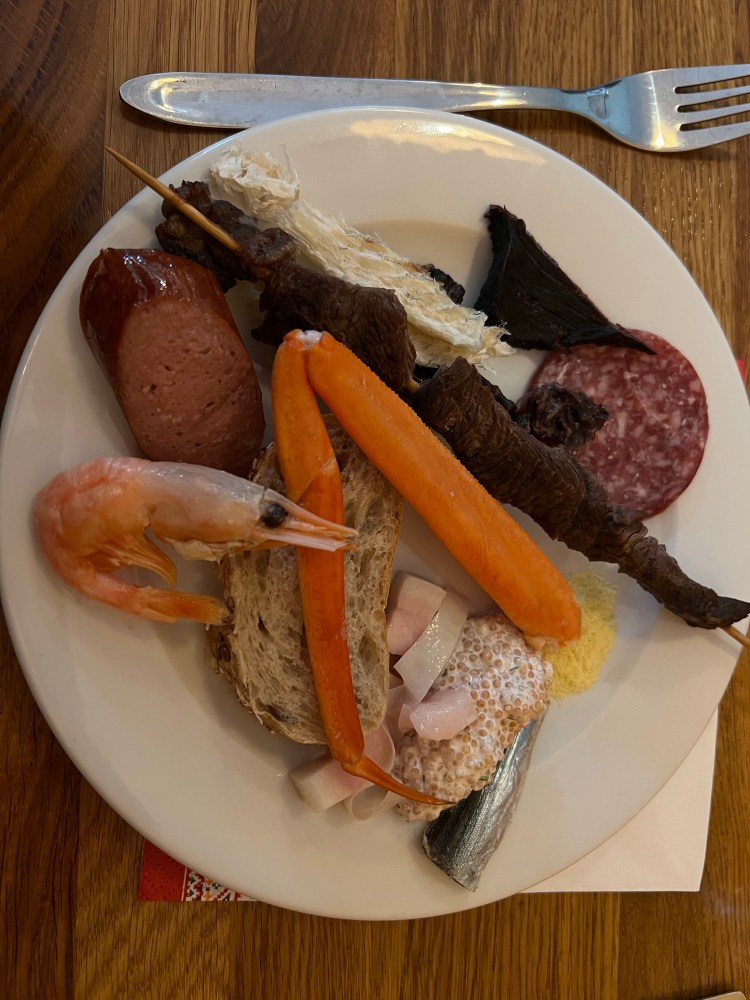
Oh, and the food? Let’s take a moment to honor this spread:

  • Crab legs
  • Shrimp
  • Whale blubber (texture: daring)
  • Reindeer sausage, jerky, and kabobs (trifecta!)
  • Dried cod
  • Caviar
  • And whale jerky, because… why not?

It was hands-down my favorite meal of the trip. Was it the entertainment? The community vibe? The fact that the reindeer kabob may have actually flirted with me spiritually? Who’s to say. But I am forever changed.

Temperature: 46°F, Feels Like “Help Me”

Oh, and did I mention the wind? Nuuk taught me a valuable Arctic math equation:

46°F – 30mph wind = HOW IS THIS STILL LEGAL

It felt like 27°F, but at least there were zero bugs—a major upgrade from yesterday’s insect rave in Paamiut.

Final Thoughts: Nuuk’d, Not Shocked

Nuuk is a city of contrasts: tradition and progress, quiet power and cultural rebirth. It’s cold, yes, but the people are warm. The art is stunning. The shopping is dangerous. The food is bold. And the wind? Well, the wind builds character.

I came for a port day. I left wishing I had a second week—and another stomach.

Next stop: Nova Scotia. But first, I’ll be in my cabin… trying to digest whale jerky and gratitude.