My husband and I recently had the pleasure of spending a few days in Europe’s 8th largest city Athens, Greece. Our journey began after a grueling 24 hour day of flying and layovers in three different airports. However, the beauty and rich history of the city made it totally worth the travel time. I was also glad we arrived in the evening and were so tired we were able to go right to sleep after a quick meal at the hotel.
We got an early start and since it was a Sunday we encountered little traffic on the road. Our first stop was the site of the first Olympics. Athens hosted the first Modern Olympic Games in 1896.
Then, we headed over to the Acropolis to get there before the crowds. I recommend getting there as early as possible because the crowds can get really dense very fast. Also, be careful because the walkways and steps are incredibly slippery. My husband and I had to escort a fellow traveler to her group because she had slipped, hit her head, and had difficulty getting to her feet. Please take your time and go slowly over the ruins. Otherwise, your vacation might end up in ruin.
It is amazing to stand before the awe-inspiring Parthenon, the temple dedicated to the goddess Athena, the Temple of Hephaestus, and the Theater of Dionysus and think they date back to the 6th century b.c.
Down the road is the entrance to Philopappos Hill. A short walk into the park on the right-hand side is a beautiful Orthodox church and a little further down on the left is the site of Socrates’ Jail. I highly recommend making the short trek up to the top of the hill because it gives a fantastic view of the Acropolis.
Church of Aeros Demetrius LoubaudiarisSocrates’ JailView from the hill
We made our way down to Makrygianni and indulged in the best pies I had the entire time we were in Greece. Their Spinach Pie was incredible! I highly recommend it! The couple that owns the restaurant were very kind and explained all of the ingredients and how everything is prepared. They really take pride in their food and it shows!
You MUST try their Spinach pie!
Next we headed over to the Acropolis Museum to learn about the statues and the history of the area. The most exciting part of the museum is the active archeological dig occurring under the museum. It was incredible to witness the layers of human activity under and above the museum.
Then, we walked to the Mitropolees Square for a coffee, continued to the Roman Forum of Athens for dinner, and finished out day one enjoying the Saronic Gulf at Bolivar Beach Bar
We finished our first day in Athens and it was incredible! Day two is sure to be just as action packed!
I wish I would have asked people about this park before planning our trip because the online world does not do this park justice! I read a couple recommendations online that this park was great for driving though and there wasn’t too much to do or see. I took that advice because after reading about and visiting Zion National Park the online world was correct. Try to avoid the crowds by getting there early and the Narrows smell like pee for a reason. Anyhow, I took the advice as a drive through on the way to Boulder, Colorado from the Los Angeles area.
Unbeknownst to me, my GPS rerouted me because of flash flood warnings. I’m sure there’s a setting/operator issue that I need to look into after this trip, but I digress. Therefore, I spent a bit more time getting to my hotel and saw the beauty of that part of Utah. I stayed at the Broken Spur Inn and Steakhouse and is that ever a misnomer. There is nothing broken at all about this place. Great steaks, great wine, and a great bed after a long drive. I was especially lucky the night I arrived there because my dinner was highlighted by a tremendous lighting storm. I’m not sure if the lightning enhanced the wine or vice versa but it was a delight for the senses.
The next morning I woke up and drove the couple of miles to the park. There was a moment when I turned a bend and my mouth dropped open. The beauty of the area is so overwhelming I had to pull over to take it all in.
The pictures do not do the road into the park justice. I was floored by how gorgeous the colors are. They are colors you only see in nature and you can’t capture how spectacular they are with a camera. Then, I got to the park and the landscape became even more incredible.
There are so many hikes, trails, and places to visit in the park! I though it was just a drive through and look at the wrinkle in the earth park, but I was so wrong. I’ve since been informed there is even a working apple orchard in the park! I wish I would have known before going! After seeing views like these…
I want to go back and do the park the justice it deserves! My take away from this experience is that the internet world can be right about the Narrows smelling like pee, but it can underestimate the beauty of nature. Either way, you have to get out and experience it for yourself so you can be the judge.
After spending the day at Dollywood, I spent the night in Pigeon Forge, and I’m going to be honest…
What exactly is Pigeon Forge?
I mean this lovingly.
Pigeon Forge feels like someone took the Las Vegas Strip, Hollywood Boulevard, a family vacation, a county fair, and the Smoky Mountains, put them all in a blender, and said:
“More. We need more.”
And somehow…
It works.
Welcome to Pigeon Forge
Pigeon Forge began as a small mountain community built around the Little Pigeon River and the area’s early iron forge. Tourism eventually transformed the town, particularly after the opening of Great Smoky Mountains National Park in 1934 and the arrival of attractions designed to capitalize on the millions of people coming to experience the mountains.
Then came Dollywood.
And Pigeon Forge basically said, Hold my moonshine.
Today, this little mountain town is one of Tennessee’s biggest tourism destinations, welcoming millions of visitors each year.
And when I say there is something for everyone, I mean EVERYONE.
Mini golf?
Absolutely.
Off-road adventures?
Yep.
Dinner theaters?
Of course.
Wax museums?
Naturally.
Go-karts?
You bet.
Restaurants shaped like giant things?
Obviously.
Titanic Museum?
You can’t miss it.
WonderWorks?
There’s a giant upside-down building.
Because apparently gravity is optional in Pigeon Forge.
The Main Street Experience
Driving down the main strip is an experience all by itself.
The Titanic Museum looks like the ship has somehow crashed into the Smoky Mountains and decided to stay.
Then there’s WonderWorks, which looks like an upside-down laboratory dropped out of the sky.
And between those two architectural fever dreams are restaurants, arcades, attractions, souvenir shops, mini golf courses, adventure tours, theaters, and enough neon to make you wonder if you’re still in Tennessee.
It’s completely over the top.
And I loved it.
After spending time surrounded by the peaceful beauty of the Smokies, Pigeon Forge felt like someone had handed me a Red Bull and turned the volume to eleven.
The Island: My Happy Place
See the dinosaur!?
But if you only have time for one stop in Pigeon Forge, make it The Island.
And then find the Giant Wheel.
If you’ve been following my adventures, you already know I have a weakness for giant Ferris wheels.
See my adventures on the High Roller at The LINQ in Las Vegas and the Ferris wheel at Navy Pier in Chicago.
I love them.
There is something so wonderful about slowly rising above a city and seeing everything from a completely different perspective.
And the Great Smoky Mountain Wheel did not disappoint.
At more than 200 feet tall, it’s one of the tallest observation wheels in the Southeast.
Normally, I’d expect a ride like this to be all about the view.
But this day was rainy and cloudy.
And somehow that made it even more beautiful.
Instead of looking across a crystal-clear horizon, I watched layers of green mountains disappear into clouds and mist.
The Smokies looked soft and mysterious, like the mountains were wearing their own weather.
It was magical.
Can’t wait!
Dinosaurs, Shopping & General Pigeon Forge Madness
The Island is also a great place to wander around even if you aren’t a Ferris wheel enthusiast—which, honestly, I don’t fully understand, but I won’t judge.
There are shops, restaurants, entertainment, and some seriously entertaining animatronic dinosaurs.
Yes.
Dinosaurs.
And they are wonderfully ridiculous.
Children love them.
Adults love them.
And anyone who says they’re too mature to stop and watch a giant mechanical dinosaur move its head clearly needs more whimsy in their life.
I wandered around, admired the attractions, browsed the shops, and generally soaked up the Pigeon Forge experience.
And Yes, There Was Traffic
Now, there is one thing you need to understand about Pigeon Forge.
Traffic.
Just like Gatlinburg, the main road can get BUSY.
Really busy.
This is a relatively small mountain community that has become an enormous tourist destination.
Imagine taking a town, adding millions of visitors, a handful of traffic lights, mountains that aren’t going anywhere, and everyone deciding to drive at approximately the same time.
There you go.
Pigeon Forge traffic.
But honestly?
It’s part of the experience.
Gatlinburg feels like the charming, slightly sophisticated mountain cousin.
Pigeon Forge is the cousin who arrives at Thanksgiving wearing sequins, carrying a funnel cake, and shouting:
“WHO’S READY FOR SHENANNIGANS?”
And I love them both for completely different reasons.
The Obligatory Hard Rock Stop
Of course, no trip through a major tourist destination would be complete without a stop at the Hard Rock Cafe.
Especially when your older sister and her husband have made it their life’s mission to collect Hard Rock shirts from around the world.
So naturally, I had to take the obligatory picture. IYKYK!
One Last Tennessee Tradition
Eventually, it was time to leave Pigeon Forge and continue toward Knoxville.
But I couldn’t possibly drive away without making one very important Tennessee road-trip stop.
Buc-ee’s.
Party time with the Beaver!
Or, as I like to call it:
Everyone’s favorite beaver and his flavored nuts.
If you’ve never experienced Buc-ee’s, prepare yourself.
It’s not a gas station.
It’s a destination that happens to sell gasoline.
There are enormous fuel stations, spotless bathrooms, barbecue, snacks, souvenirs, ridiculous amounts of merchandise, and enough Beaver Nuggets to make you question whether you accidentally entered a food-themed amusement park.
And yes, I stopped.
Because when you’re road-tripping through Tennessee, you have to experience the giant beaver.
It’s the law.
Okay, maybe not legally.
But spiritually.
Pigeon Forge, You Are Absolutely Ridiculous
Pigeon Forge isn’t subtle.
It doesn’t want to be.
It’s loud, colorful, busy, playful, wonderfully excessive, and unapologetically touristy.
And after spending so much time immersed in the natural beauty of the Smokies, I appreciated the complete change of pace.
Gatlinburg charmed me.
Pigeon Forge entertained me.
And somewhere between the giant Titanic, the upside-down WonderWorks, the dinosaurs, the Ferris wheel, the traffic, and the giant beaver, I realized something:
Tennessee really knows how to show you a good time.
Next stop…
Knoxville.
And I’m hoping for a little less traffic, a little more history, and absolutely no more terrifying mountain roads.
After several days of waterfalls, mountain roads, suspension bridges, thunderstorms, and questionable decisions involving glass floors, I decided it was time for something a little more relaxing.
So naturally, I went to an amusement park.
But this wasn’t just any amusement park.
This was Dollywood.
And honestly, I wasn’t prepared for how much I would love it.
Welcome to Dollywood!
I knew Dollywood was a big deal. I knew it had roller coasters. I knew Dolly Parton was involved.
What I didn’t expect was how beautifully the entire park blends entertainment, Appalachian culture, music, food, craftsmanship, and Dolly’s very particular brand of optimism.
There are rides everywhere, but what really grabbed my attention were the musical performances.
You can wander through the park and stumble into live music happening throughout the day. Bluegrass, gospel, country, Appalachian music—it felt less like visiting an amusement park and more like wandering through a giant outdoor celebration of Tennessee.
The Dolly Experience
WOW! Just WOW!
I’ve always known Dolly Parton was an icon.
But walking through The Dolly Experience exhibit and seeing the sheer scope of her life and career made me stop and think about what one person can actually accomplish.
Dolly was born in 1946 in Locust Ridge, Tennessee, one of 12 children, and grew up in the Smoky Mountains. She started performing as a child, appeared on local radio and television, released her first solo album, Hello, I’m Dolly, in 1967, and soon joined The Porter Wagoner Show. Her partnership with Wagoner helped launch her into mainstream country stardom.
She became a member of the Grand Ole Opry in 1969, built an extraordinary songwriting career, crossed over into film and television, and became one of the most recognizable entertainers on the planet.
And then there’s the other side of Dolly’s legacy.
The part that really gets me.
In 1995, she created Dolly Parton’s Imagination Library in honor of her father, who couldn’t read or write. What began as a program in her hometown of Sevier County grew into a worldwide literacy program. As of June 2026, the program had gifted more than 325 million books to children in five countries.
That’s an astonishing number.
And it’s a wonderful reminder that success doesn’t have to end with Look what I accomplished.
It can become:
Look what we can accomplish together.
Walking through The Dolly Experience, I found myself thinking about the extraordinary power one person can have when they combine talent with generosity and purpose.
Dolly didn’t just become famous.
She built things. She created jobs. She invested in her hometown. She created opportunities for other people. She gave children books. She created a place where millions of families could make memories.
And she did it while maintaining an unmistakable sense of humor and joy.
That’s a pretty impressive legacy.
An Amusement Park With a History
Dollywood actually has roots that go back much further than Dolly.
The property first opened as Rebel Railroad in 1961, featuring a coal-fired steam train, general store, blacksmith shop, and saloon. It later became Goldrush Junction and then Silver Dollar City, Tennessee, before Dolly Parton partnered with Herschend Enterprises in 1986 and the park became Dollywood.
When Dollywood opened in 1986, it attracted 1.3 million visitors in its first year—about a 75 percent increase over Silver Dollar City’s final season. Today, the park encompasses about 150 acres and welcomes millions of visitors.
And that matters beyond the gates.
Dollywood has become a major economic and tourism engine for the Smoky Mountain region, providing thousands of jobs and helping make the Pigeon Forge/Sevierville/Gatlinburg area one of the country’s major tourism destinations.
What struck me while I was there was how genuinely happy so many employees seemed to be. People were smiling. People were laughing with each other. Employees knew the park, knew the history, and seemed genuinely interested in making sure guests were having a good time.
That kind of culture doesn’t happen accidentally.
Train Rides, Car Rides & Excellent Food
I took the Rockin’ Roadway for a little nostalgic drive through the park and then climbed aboard the Dollywood Express, the park’s historic steam train.
The train is pulled by Klondike Katie, a 110-ton coal-fired steam locomotive built in 1943 that still takes visitors through the foothills of the Smokies.
There’s something wonderfully old-fashioned about sitting on a steam train while surrounded by the mountains.
And then there was lunch.
I stopped at Front Porch Café, and I have to say…
For amusement park food?
That was GOOD.
Like, actually good.
Not “I’m hungry because I’ve been walking around all day” good.
Good enough that I would happily eat there even if there weren’t roller coasters outside.
The Eagles…and the Giant Mayonnaise
Dollywood has also been home to Eagle Mountain Sanctuary, which opened in 1991 as a 1.5-million-cubic-foot outdoor aviary and was known for its presentation of non-releasable bald eagles.
The sanctuary has been part of Dollywood’s long-running conservation and education partnership with the American Eagle Foundation. That chapter is now changing: following storm damage to the sanctuary, the non-releasable eagles are being moved permanently to the American Eagle Foundation’s larger conservation campus in nearby Kodak.
But while wandering around the park, I encountered something else that deserves recognition.
A GIANT FAUX JAR OF MAYONNAISE.
And if you know me at all, you know that I will eat almost anything.
Except mayonnaise.
I saw that enormous jar and genuinely gagged a little.
I. Just. CAN’T!
I don’t know what psychological warfare was being waged there, but Dolly…
I surrender.
The Roller Coasters I Admired From a Safe Distance
Now, the roller coasters looked absolutely INSANE. Twists. Loops. Drops. People screaming. People laughing. People voluntarily getting back in line to do it again.
I respect these people.
I am not one of them.
I watched from the ground with my feet firmly planted on Tennessee soil, which is exactly where they belonged.
After surviving the Incline Railway and the SkyBridge earlier in this trip, I had already exceeded my personal quota for terror.
Sometimes courage is knowing your limits.
And sometimes it’s knowing exactly where the nearest bench is.
Leaving With a Little More Dolly
I had such a wonderful day at Dollywood.
Such a great day!
I loved the rides I actually rode, the rides I absolutely did not ride, the music, the food, the scenery, the history, and—most of all—the sense of joy that seems to run through the entire park.
And yes…
I left with Dolly Parton merchandise.
Because apparently there was a small Dolly-shaped hole in my wardrobe that needed to be filled.
But more than souvenirs, I left thinking about the incredible ripple effect one person can create.
Dolly Parton grew up in a tiny mountain community with very little money and an enormous dream. She became a superstar. Then she turned around and invested in the place that helped make her who she was.
That’s pretty powerful.
Maybe that’s the real magic of Dollywood.
It’s not just a theme park.
It’s a giant, glittery, music-filled reminder that you can dream ridiculously big, work incredibly hard, bring other people along with you, and still remember where you came from.
And if you happen to do it while wearing rhinestones?
Even better.
Dollywood, you were absolutely delightful.
And Dolly?
Thank you for the reminder that one person really can make a difference.
Now, if you’ll excuse me, I have some Dolly merch to find a place for.
There are some travel days when you check a few things off your itinerary and call it a day.
And then there are days when you visit a national park, argue with yourself about whether you’re brave enough to walk across a giant suspension bridge, receive a very serious warning about bears, ride a glass gondola to the top of a mountain, wander through illuminated forests, and end the night feeling like you’ve wandered into a fairy tale.
Day four of my Tennessee road trip was definitely the second kind.
Hello, Great Smoky Mountains!
After my adventures around Chattanooga, I pointed the Jeep toward Gatlinburg—but not before spending some time in Great Smoky Mountains National Park.
And WOW.
One of the many vista points
I have visited some spectacular national parks in my life, but there is something completely different about the Smokies. The mountains don’t feel harsh or imposing. They roll one after another into the distance, covered in layers of lush green forest that seem to disappear into the haze.
That haze is actually part of the Smokies’ identity. The park gets its name from the blue-gray mist that frequently rises from the mountains, created by moisture released by the dense vegetation.
The Smokies are America’s most visited national park, covering more than 500,000 acres across Tennessee and North Carolina. The park is famous for its misty blue mountains, waterfalls, historic cabins, wildflowers, wildlife, and more than 800 miles of trails.
And there is a reason people keep coming back.
There are waterfalls, historic cabins, wildflowers, wildlife, mountain streams, scenic drives, and overlooks around practically every corner.
I spent some time taking in the scenery and enjoying a few shorter walks and overlooks rather than attempting one of the park’s epic hikes. The park has more than 70 scenic overlooks, so even if you’re not ready to tackle an eight-mile hike, there are plenty of opportunities to pull over, stretch your legs, and stare at the mountains in complete wonder.
For me, this was about slowing down and letting the Smokies do what they do best.
Gatlinburg SkyPark: The Moment I Almost Chickened Out
I had decided I was going to walk across the Gatlinburg SkyBridge.
Then I drove into town. And saw it.
From the ground, this thing looked HUGE. It stretches almost 700 feet across the valley between the mountaintops, more than two football fields long, and sits about 1,800 feet above sea level. It’s billed as the longest pedestrian cable bridge in North America.
This is only one part of the bridge!
My immediate thought was:
Absolutely not.
I began negotiating with myself.
No one knows you planned to do this.
You’re the only person who will know you chickened out.
And then something strange happened.
The fear turned into excitement. Suddenly I wanted to know if I could do it.
Maybe conquering the Lookout Mountain Incline Railway the day before had given me a little confidence.
Maybe I was simply feeling adventurous. Whatever it was, I bought the ticket.
No turning back now.
Up, Up, and Away
The ride to the top on the SkyLift was beautiful.
As the chairlift climbed, Gatlinburg slowly disappeared beneath me and the mountains opened up in every direction.
The views were breathtaking.
And once I reached the top, I discovered that the SkyPark is much more than just a bridge.
There are multiple areas where you can relax, grab something to eat or drink, sit in a rocking chair, explore the trails, and take in the mountain scenery.
You can also climb Tulip Tower, which provides another fantastic vantage point over the Smokies.
It was the perfect setup.
I could enjoy the mountains, soak in the scenery, and postpone the terrifying part.
But eventually…
I had to walk across the bridge.
Here We Go…
I stepped onto the SkyBridge. And immediately noticed something.
It moves. Not a little. It sways. It shifts. It moves beneath your feet.
And apparently, I wasn’t the only person who noticed.
People were gripping the railings. People were laughing nervously. People were walking very, very carefully.
Eventually, I figured out the rhythm of the bridge. Once I stopped fighting the movement and allowed myself to move with it, things got easier.
And then I reached the halfway point.
Where they had apparently decided that simply suspending a nearly 700-foot bridge over a mountain valley wasn’t exciting enough.
There was a glass-floor section. Surrounded by metal grating.
I HATE GRATES!!
Oh, fantastic.
I don’t even like walking over the metal grates on city streets above subway entrances. Partly because I frequently wear dresses and have no desire to reenact Marilyn Monroe, but mostly because there is a tiny irrational part of my brain that believes I am going to fall straight through them.
Now I’m supposed to walk across glass suspended over a mountain?
Again, I had a choice. Turn around. Or conquer the fear.
Apparently, I had already decided what kind of person I wanted to be on this trip.
So I walked across.
And I now completely understand those videos of people stepping onto glass bridges that are designed to pretend to crackbeneath their feet.
Absolutely not.
I don’t need that kind of character development.
But I made it across.
And when I reached the other side, I was ridiculously proud of myself. Turns out the best part of facing a fear isn’t always the experience itself.
Sometimes it’s the feeling afterward when you realize:
I did that.
And Then They Told Me About the Bears
After all that excitement, I checked into my hotel. And the first thing the employee did was give me a very serious warning.
“Don’t feed the bears.”
Okay.
“Don’t try to pet the bears.”
Obviously.
“If you see a bear, don’t run.”
Excuse me?
I stared at her.
“Bears?”
As in…
actual bears?
Yes.
Real bears.
Apparently, bears are common enough in the area that guests need to be aware of their surroundings.
I explained that if I saw a bear, running would be my body’s immediate and involuntary response.
She laughed.
I did not.
I informed her that if a bear appeared on the property, they would absolutely hear me screaming from wherever they were standing, so at least they’d know where the bear was.
She laughed harder.
I remained deeply concerned.
Spoiler alert:
I did not see a bear.
Thank goodness.
Anakeesta: A Mountain-Top Wonderland
Almost to ice cream!
Next up was Anakeesta, and WOW.
This place delivered.
Anakeesta is essentially an entire adventure park sitting on top of a mountain. With dining, shopping, gardens, mountain coasters, tree-top adventures, scenic overlooks, suspension bridges, and nighttime experiences, you could easily spend an entire day here.
I took the gondola to the top, watching the landscape rise and fall beneath me as we climbed.
The mountaintop begins with Firefly Village, filled with shops, restaurants, ice cream, and charming little spaces to wander.
From there, you can explore attractions winding through the forest, including the Treetop Skywalk and mountain coaster.
But my favorite experiences happened after sunset.
Fireflies in the Forest
The Firefly experience was magical.
Firefly experience
There is something about walking through the forest after dark while tiny points of light appear around you that immediately transports you back to childhood.
The Smokies are famous for synchronous fireflies—tiny creatures that actually flash their lights in unison during a short period each year. Anakeesta recreates that magical feeling with lights, sound, and technology woven through the forest.
Anakeesta’s newer Firefly Experience uses lighting, technology, and storytelling to recreate that magical phenomenon so visitors can experience its wonder beyond the narrow natural viewing season.
Walking across the suspension bridges with the lights glowing around me was absolutely beautiful.
Then came the storm sequence.
It was dramatic.
The lighting, sound, and atmosphere made it feel as though I was standing in the middle of a mountain storm.
And then the forest transformed again.
I loved every second.
Astra Lumina: Look Up
But my favorite experience of the entire night?
Message on the way in
Astra Lumina.
I paid extra for the ticket, and it was worth every penny.
Astra Lumina is an immersive nighttime forest walk created by Montreal-based multimedia studio Moment Factory. The Gatlinburg experience combines projections, lasers, theatrical fog, music, and lighting along a roughly three-quarter-mile trail divided into nine themed zones.
And describing it as a “light show” doesn’t really do it justice.
It feels like an experience.
The entrance to the experience
At one point, I walked into a section where the fog was so thick that laser beams seemed to dance through the trees.
The light bounced. The music swelled. The forest glowed.
And suddenly there were people dancing.
Yes.
There was literally a dance party happening in the trees.
And why not?
If the stars have descended from the sky to dance in the Smokies, apparently we’re all invited.
It was breathtaking. Beautiful. A little surreal. And completely unforgettable.
Goodbye, Gatlinburg
By the time I made my way back down the mountain, I was exhausted in the best possible way.
Gatlinburg is touristy. It’s busy. It’s a little over-the-top.
And I absolutely understand why people love it.
Where else can you spend the morning surrounded by national park wilderness, walk across a terrifying suspension bridge, discuss bear survival strategies with your hotel staff, ride a gondola up a mountain, and then dance under the trees surrounded by firefly lights?
Gatlinburg, you were a lot. But you were a lot of fun.
And I am very glad I came.
Tomorrow, the Jeep and I are heading deeper into the Smokies.
If day two of my Tennessee adventure was about whiskey, thunderstorms, and art, day three was all about one thing:
Lookout Mountain.
I’d heard people rave about it, but nothing quite prepared me for just how much there is to see packed onto one mountain. History, geology, Indigenous heritage, breathtaking overlooks, hidden waterfalls, impossible railway climbs, and enough natural beauty to make you stop every few minutes just to soak it all in.
Needless to say, I packed my hiking shoes—and a healthy dose of courage.
Ruby Falls: A Love Story Hidden Underground
My morning began at Ruby Falls, one of Tennessee’s most famous attractions and home to the tallest underground waterfall open to the public in the United States.
The waterfall itself is spectacular, but what fascinated me most was the story of how it was discovered.
In 1928, local cave enthusiast Leo Lambert was determined to reconnect with passages from the historic Lookout Mountain Cave after its entrance had been sealed during railroad construction. Along with a small exploration team, he squeezed through a passage barely 18 inches high, crawling, wriggling, and inching forward through complete darkness for more than six hours.
Six.
Hours.
I became anxious just hearing the story.
I don’t care how beautiful the payoff was—I would have turned around approximately seventeen inches into that crawl.
Claustrophobia and I have a very healthy relationship built on mutual avoidance.
Thankfully, Leo Lambert possessed far more bravery than I ever will.
Eventually, he emerged into a magnificent cavern where a 145-foot waterfall cascaded through the cave. He named it Ruby Falls after his wife, Ruby, and soon transformed the discovery into one of America’s earliest commercial cave attractions.
Nearly a century later, visitors from around the world continue making the underground journey—thankfully through spacious tunnels instead of eighteen-inch crawl spaces.
The cave itself feels almost otherworldly.
Here’s part of the waterfall!
Towering stalactites.
Ancient limestone formations.
Crystal-clear pools.
And finally…
The waterfall.
Hidden deep beneath the mountain, illuminated in colorful lights, it almost doesn’t seem real.
Nature never ceases to amaze me.
Rock City: More Than Seven States
Next on the itinerary was Rock City.
I’d seen the famous barns across the South painted with “See Rock City,” and of course I’d heard the claim that on a clear day you can see seven states from the overlook.
I was sold before I even arrived.
What I wasn’t expecting was how wonderfully strange and magical the entire experience would be.
Rock City isn’t just scenic overlooks.
It’s giant ancient rock formations, narrow slot canyons, lush gardens, whimsical pathways, waterfalls, swinging bridges, and enough fairy tale charm to make you feel like you’ve wandered into another world.
One minute you’re squeezing sideways through Fat Man’s Squeeze.
Literally, you have to walk through it sideways!
The next you’re crossing a suspension bridge that gently sways hundreds of feet above the valley below.
Then suddenly you’re standing beside High Falls, watching water tumble over massive cliffs before disappearing into the forest below.
Lover’s Leap
And yes…
On a clear day…
You really can see seven states.
Tennessee.
Georgia.
Alabama.
Kentucky.
Virginia.
North Carolina.
South Carolina.
It’s one of those views that photographs simply can’t capture.
The Story Behind Lover’s Leap
One of Rock City’s most famous overlooks is Lover’s Leap, named after a Cherokee legend.
According to the story, Sautee, a Cherokee man, and Nacoochee, the daughter of a rival chief, fell deeply in love despite their tribes’ opposition. Forbidden to marry, the young couple chose to leap from the cliffs together rather than live apart.
Standing there, looking over the valley, I experienced one of those unexpected moments where childhood memories collide with adulthood.
I suddenly remembered singing a campfire song at Girl Scout camp that told the story of two lovers jumping from a mountain.
At the time, it was simply another catchy camp song.
Standing at Lover’s Leap, I realized it had been rooted in a real legend all along.
But that wasn’t the thought that lingered with me.
The deeper sadness came from recognizing that long before Rock City became a beloved tourist attraction, Lookout Mountain was the homeland of the Cherokee people. For generations, these mountains were places of community, ceremony, trade, hunting, and deep spiritual significance.
That connection was violently disrupted by the Indian Removal Act of 1830. Thousands of Cherokee people—including families who called this region home—were forced from their ancestral lands and marched west along what became known as the Trail of Tears. More than 4,000 Cherokee died from disease, starvation, exposure, and exhaustion during the forced relocation.
Standing amid breathtaking beauty while reflecting on such profound loss was sobering.
It’s impossible not to recognize the complicated layers of American history.
The waterfalls are beautiful.
The overlooks are unforgettable.
But beneath every scenic vista are stories that deserve to be remembered.
Travel, at its best, encourages us to admire a place while also understanding the people who loved it long before we arrived.
Fairy Tales Come to Life
After the emotional weight of Lover’s Leap, Rock City surprised me once again with one of its most unexpected attractions.
Fairyland Caverns.
This is one of all the nursery rhymes you can think of!
How do I even describe this place?
Imagine someone took every classic fairy tale you grew up with…
Added black lights…
Miniature handcrafted scenes…
Thousands upon thousands of tiny details…
And just enough surrealism to make you wonder whether you’ve stepped into someone’s wonderfully bizarre fever dream.
It’s delightfully weird.
Whimsical.
Nostalgic.
And absolutely worth experiencing.
Whoever designed it clearly possessed an imagination without limits.
The Incline Railway: Absolutely Not What I Expected
Then came the attraction that nearly stopped my heart.
The Lookout Mountain Incline Railway.
I still feel barfy looking at this picture!
Known as one of the steepest passenger railways in the world, it climbs the mountainside on grades reaching nearly 73%. Since opening in 1895, it has carried millions of visitors up and down the mountain while earning the nickname “America’s Most Amazing Mile.”
I wasn’t worried.
At all.
I’ve ridden trains.
I’ve ridden cable cars.
I’ve ridden funiculars.
How different could this be?
It started gently enough.
Smooth.
Relaxing.
Almost charming.
Then…
The mountain reminded us who was in charge.
As the incline suddenly steepened, my heart launched directly into my throat.
Passengers around me gasped.
Someone let out a profanity.
Another person laughed the nervous laugh we all use when we’re questioning our life choices.
We literally began sliding forward in our seats.
I looked out the window and immediately regretted looking out the window.
The view was spectacular.
The angle was…offensive.
Somehow we made it to the top.
Then I remembered a horrifying fact.
I had to go back down.
Thankfully, after spending some time wandering the observation decks and calming my nerves, the descent wasn’t nearly as terrifying because at least I knew what to expect.
Chattanooga’s Sweetest Treat
While recovering from my near-death emotional experience aboard the Incline Railway, I treated myself to one of Chattanooga’s most iconic snacks.
A MoonPie.
Invented in nearby Chattanooga in 1917 by the Chattanooga Bakery, the MoonPie was originally created for hardworking coal miners who wanted an inexpensive, filling snack they could carry into the mines. The combination of marshmallow filling sandwiched between graham cookies and coated in chocolate quickly became an American classic.
Sometimes the best travel souvenirs aren’t things you take home.
Sometimes they’re snacks you eat while calming your nerves after surviving an incline that felt suspiciously close to vertical.
Cooling Off Along the Tennessee River
Back downtown, the Tennessee heat reminded me that July still had plenty to say.
So I joined locals cooling off at The Passage, also known as the Waterfall Steps along Chattanooga’s beautiful Riverwalk.
Children splashed through the water.
Families relaxed along the river.
Cyclists cruised past.
It felt like the entire city had gathered outside to enjoy another perfect summer evening.
The Passage itself is more than a splash pad. It commemorates the Cherokee people’s historic crossing of the Tennessee River before their forced removal, blending public art, flowing water, and remembrance into a meaningful public space.
It was a fitting place to end a day filled with both joy and reflection.
Until Tomorrow, Chattanooga
Chattanooga surprised me.
I expected mountains.
I expected scenic overlooks.
I expected waterfalls.
I didn’t expect to laugh my way through fairy tale caverns, nearly lose my composure on one of the steepest railways in America, or spend so much time reflecting on the people whose stories are woven into this landscape.
That’s the beauty of travel.
The best destinations don’t simply entertain you.
They teach you.
Tomorrow, the adventure continues as I head east toward one of America’s most beloved national parks.
Others begin with whiskey, continue through a torrential Southern thunderstorm, end in an incredible art museum, and leave you reflecting on some of the darkest chapters of American history.
Day two in Tennessee was definitely the second kind.
All About the Barrel at Jack Daniel’s
The tour culminates in a tasting!
No trip through central Tennessee would be complete without stopping in Lynchburg, home of the world-famous Jack Daniel Distillery.
Although Lynchburg sits in a dry county—meaning you can’t buy alcohol in most local stores—the distillery has been producing Tennessee whiskey since 1866, making it America’s oldest registered distillery.
I signed up for the All About the Barrel Tour, and it quickly became one of the most fascinating distillery tours I’ve ever taken.
Rather than simply explaining how whiskey is made, this tour dives deep into one of the most important—and expensive—parts of the process: the barrels.
Jack Daniel’s uses handcrafted American white oak barrels that are built, charred, and used only once. After aging their whiskey, the barrels are sold around the world to age Scotch whisky, Irish whiskey, tequila, rum, maple syrup, hot sauce, and even craft beer. It’s amazing to think that a single Tennessee barrel continues influencing flavors across the globe long after it leaves Lynchburg.
One of the highlights of the tour is seeing how each barrel is toasted and charred to create what distillers lovingly call the “alligator char”—a cracked interior surface that resembles alligator skin. That char is responsible for much of the whiskey’s signature caramel, vanilla, and smoky flavors.
But perhaps the most remarkable part of the entire operation isn’t the whiskey.
It’s the water.
Every drop begins in Cave Spring Hollow, a breathtaking limestone cave that naturally filters water to a constant 56 degrees year-round. The mineral-rich, iron-free spring produces around 800 gallons of pristine water every minute, creating the perfect foundation for Jack Daniel’s signature whiskey.
Standing beside the cave, surrounded by towering limestone cliffs and crystal-clear water, it was easy to understand why this exact location was chosen over 150 years ago.
What impressed me even more was the company’s commitment to sustainability.
Very little goes to waste here.
The sugar maple used during the charcoal mellowing process eventually becomes part of Jack Daniel’s line of premium grilling charcoal. Used grain from production becomes livestock feed for nearby farms. Even the spent barrels find second lives around the world.
It’s refreshing to see such an iconic company embracing practices that honor both craftsmanship and conservation.
Our tour guide was absolutely fantastic.
She somehow managed the perfect balance of corny dad jokes, fascinating history, and genuine enthusiasm that kept everyone engaged from beginning to end. You could tell she genuinely loved sharing the story of Jack Daniel’s.
Naturally, I couldn’t leave empty-handed.
A commemorative shot glass found its way into my bag, along with one of my favorite souvenirs of the entire trip—a genuine piece of a Jack Daniel’s whiskey barrel that’s destined for my fireplace mantel back home.
Small-Town Southern Charm
Before leaving Lynchburg, I wandered around the historic town square.
It’s exactly what you’d imagine a Southern courthouse square should feel like.
Brick storefronts.
Friendly shop owners.
Plenty of Jack Daniel’s memorabilia.
Local cafés serving comfort food.
It’s the kind of town where people still wave as they pass by, and nobody seems to be in much of a hurry.
The Storm They Tried to Warn Me About
As I was leaving town, several locals casually mentioned they had seen lightning.
But they didn’t say it like Californians do.
They exchanged knowing looks.
Their voices lowered ever so slightly.
“Oh…there’s been lightning.”
I remember thinking…
Okay?
Where I’m from, lightning is exciting.
You watch it from your patio.
Maybe post a picture on Instagram.
Five minutes later…
I understood.
The sky opened.
Rain came down so hard that my windshield wipers surrendered almost immediately. I was driving a rented Jeep Wrangler with stock tires on a winding two-lane highway, gripping the steering wheel a little tighter than I’d like to admit.
Then something happened I’d never experienced before.
The rain stopped.
But the road didn’t dry.
Instead, the blazing Tennessee pavement transformed the remaining water into thick clouds of steam, creating pockets of fog that rose directly from the highway.
I wasn’t just driving through rain anymore.
I was driving through clouds.
Welcome to a Southern summer.
Art Worth Racing the Clock For
My goal was to reach Chattanooga before the Hunter Museum of American Art closed.
Mission accomplished.
Perched dramatically atop an 80-foot bluff overlooking the Tennessee River, the Hunter Museum is one of the city’s architectural treasures. It beautifully blends an elegant 1905 mansion with striking contemporary additions of glass and steel, creating a museum that feels just as much like a work of art as the collections inside.
The galleries exceeded every expectation.
I stumbled upon a Jacob Lawrence painting I had never seen before—a rare treat for someone who admires his powerful storytelling through bold color and movement.
Then I rounded a corner…
…and stopped.
Completely.
Frozen.
Before me hung one of the most beautiful portrait of Misty Copeland I have ever seen.
Absolutely stunning!
Inspired by the graceful compositions of Edgar Degas, the artwork captured everything that makes Copeland extraordinary: strength, elegance, discipline, vulnerability, and effortless beauty.
I stood there for several minutes.
No phone.
No pictures.
Just quietly taking it in.
Some artwork demands your attention.
This was one of those pieces.
I also absolutely loved the colorful, imaginative exhibition by Saya Woolfalk, whose vibrant installations blend science fiction, mythology, fashion, and social commentary into immersive worlds that invite visitors to imagine new possibilities for humanity.
It was joyful.
Playful.
Thought-provoking.
Exactly the kind of exhibit that makes contemporary art so much fun.
Beneath the Walnut Street Bridge
Spaces for contemplation exist on both sides of the bridge
After the museum closed, I wandered the grounds and made my way toward Chattanooga’s iconic Walnut Street Bridge.
Built in 1891, it’s one of the world’s longest pedestrian bridges today, stretching gracefully across the Tennessee River.
Unfortunately, portions were closed for construction, so I couldn’t walk across it.
Instead, I wandered beneath it, where public art, shaded pathways, and a perfectly placed bench invited visitors to pause.
And pause I did.
Travel isn’t only about beautiful scenery.
Sometimes it’s about confronting history.
Like many places across the American South, Chattanooga carries painful stories that deserve to be remembered. The Walnut Street Bridge and nearby areas are connected to a broader history of racial terror during the late 19th and early 20th centuries, when Black Americans across the South were falsely accused, denied due process, and murdered by lynch mobs.
Reading about these atrocities in books like Stamped by Ibram X. Kendi and Jason Reynolds is important.
Standing in a place where those events unfolded is something entirely different.
It transforms history from words on a page into something deeply human.
It also deepened my appreciation for courageous journalists and activists like Ida B. Wells, whose fearless anti-lynching investigations exposed these crimes and challenged a nation to confront its own brutality.
Travel has a remarkable way of expanding our understanding of the world.
Sometimes that means breathtaking views.
Sometimes it means difficult truths.
Both matter.
Learning our history—even the painful parts—isn’t about dwelling on the past. It’s about honoring those who suffered, recognizing those who fought for justice, and continuing to build a future rooted in compassion, equality, and truth.
Ending the Day on a Delicious Note
After a day packed with history, storms, art, and reflection, I was ready for dinner.
I found exactly what I needed at Mayan Kitchen, where I treated myself to an order of homemade pupusas.
Delicious!
They were absolutely divine.
Warm.
Cheesy.
Perfectly crisp.
Exactly the comfort food I didn’t know I needed after an unforgettable day.
I headed back to my hotel early, knowing tomorrow would be filled with even more Chattanooga adventures.
If today taught me anything, it’s that Tennessee has a way of surprising you.
Sometimes with whiskey.
Sometimes with thunderstorms.
Sometimes with world-class art.
And sometimes with the kind of history that reminds us why travel matters in the first place.
Every great road trip has to start somewhere, and for me, this one began with a flight into Nashville, the keys to a bright red Jeep Wrangler, and absolutely no plans beyond pointing the hood south toward Murfreesboro. My Tennessee adventure had officially begun.
Coming from Southern California, I had mentally prepared myself for the famous Southern humidity.
I was not prepared enough.
Humidity in Tennessee isn’t something you simply experience—it embraces you. It’s like being wrapped in the world’s warmest weighted blanket. At first, it feels kind of cozy, like you’ve been tucked into a burrito. Five minutes later you’re questioning every life decision that brought you there because that burrito has become a steaming tamale. California girls, you’ve been warned.
Fortunately, my first day was intentionally light. I wanted to ease into Tennessee life, explore at a leisurely pace, and let my body adjust before the bigger adventures ahead.
A Step Back in Time at Cannonsburgh Village
My first stop was Cannonsburgh Village, a recreated Southern pioneer village that has become something of a rite of passage for local schoolchildren. Generations of Murfreesboro kids have wandered these grounds on field trips, learning what everyday Tennessee life looked like from the 1830s through the early 1900s.
The village is made up of carefully preserved and relocated historic buildings, including a schoolhouse, gristmill, church, blacksmith shop, doctor’s office, caboose, and one of the oldest homes in Rutherford County.
But my favorite discovery wasn’t inside any of the buildings.
It was the dogtrot.
Dogtrot! 10/10 do it again!!
If you’ve never heard of one, a dogtrot house is built with an open breezeway running right through the middle of the home. I settled into one of the rocking chairs and finally understood why these architectural gems became so common throughout the South. As the breeze drifted through the opening, carrying just enough relief from the July heat, I could have sat there for hours. No air conditioning. No distractions. Just a rocking chair, a gentle breeze, and the sound of summer.
Sometimes old ideas really are the best ideas.
Standing in the Middle of Tennessee
Yup! Middle of Tennessee!
Next, I made a quick stop at the Geographic Center of Tennessee.
Now, I’ll be honest…
There’s not exactly an amusement park built around it.
The geographic center is marked by a beautiful stone obelisk surrounded by brand-new condos. You pull up, admire the monument, snap your obligatory photo proving you stood in the exact middle of the Volunteer State, and then you’re pretty much on your way.
It’s simple.
It’s peaceful.
And it’s one of those wonderfully quirky roadside stops that road trips are made for.
Burgers Worth the Mess
By now, the humidity and sightseeing had worked up an appetite, so I headed into Murfreesboro’s charming historic downtown and found Jack Brown’s Beer & Burger Joint.
What a fun place.
Jack Brown’s has built a loyal following across the Southeast for doing one thing exceptionally well: burgers. Their menu features 100% American Wagyu beef burgers, creative toppings, and one of the largest beer selections you’ll find anywhere.
I ordered the Dr. Gonzo, piled high with bacon, BBQ sauce, fried onions, cheddar cheese, and jalapeños.
Greasy deliciousness!
It was gloriously greasy.
Absolutely delicious.
Exactly what vacation calories are supposed to taste like.
The staff treated everyone like regulars, and the people sitting around the bar were laughing, swapping stories, and clearly living their best lives. It felt less like eating at a restaurant and more like accidentally becoming part of a neighborhood gathering.
Coffee…and the Sweetest Surprise
Then I remembered something important.
I had somehow made it all day without coffee.
Clearly, an emergency.
That emergency led me to Oflow Coffee & Bakery, where I stumbled into one of the most charming surprises of the entire day.
The café was hosting one of their themed High Tea experiences.
Little girls dressed in layers of ruffles.
Little boys wearing ties.
Parents dressed beautifully.
Everyone seemed genuinely excited to be there, and every child I saw was on their absolute best behavior. It felt like stepping into the world’s cutest tea party.
I had the opportunity to chat with the owner, who explained that every month’s High Tea has a different theme. February celebrates Lunar New Year, March embraces St. Patrick’s Day, and each new theme challenges the chefs to create fresh menus and experiences for the community.
I absolutely loved that idea.
It keeps the experience exciting for returning guests while giving the culinary team room to be creative. That’s a win-win in my book.
After my coffee, I wandered around downtown, popped into a few local shops, and somehow found a pair of shoes that clearly belonged in my suitcase.
You know how that happens.
Vacation Mode Activated
Eventually it was time to check into my hotel.
Holiday Inn has yet to let me down, and after unloading the Jeep, I rewarded myself with a relaxing dip in the pool.
Sometimes the best sightseeing attraction is simply floating in cool water after spending the afternoon melting in Tennessee sunshine.
Dessert for Dinner? Don’t Judge Me.
By evening, I wasn’t craving a full meal.
I wanted dessert.
And because vacation is the one time adulthood completely loses its rules, I headed to The Soda Bar.
I ordered the Buckeye Sundae, and let me tell you…
Feral at its finest!
No regrets.
Rich chocolate.
Creamy peanut butter.
Cold ice cream.
It was exactly the kind of indulgence that belongs on vacation.
As I sat enjoying every last bite, I noticed families gathering nearby for a Movie in the Park event at The Fountains at Gateway. Under strings of glowing lights, children laughed while parents unfolded lawn chairs and blankets as Disney’s Up played on the giant screen.
The fountains sparkled.
The evening air had finally cooled.
Families lingered without looking at the clock.
It felt like the kind of summer night you hope never ends.
That magical feeling—that sense that time slows down just enough to let you appreciate where you are—is exactly why I travel.
A Perfect Tennessee Welcome
Murfreesboro wasn’t trying to impress me with flashy attractions or over-the-top entertainment.
Instead, it welcomed me with history, friendly conversations, incredible food, creative local businesses, peaceful moments, and the unmistakable feeling of community.
It was the perfect place to ease into Tennessee life before continuing my journey across the state.
Thank you, Murfreesboro, for such a warm welcome.
Even if your humidity tried its very best to hug me just a little too tightly.
Sometimes all it takes is one text from a girlfriend to create the perfect adventure.
When a friend invites you to spend time wine tasting in Paso Robles, what other option do you really have besides dropping any potential plans, booking a hotel room, and packing your bags?
Exactly.
While wine tasting was the official reason for the trip, I arrived a day early because your girl has a habit of turning every destination into an adventure. A quick internet search for “things to do in Paso Robles” led me somewhere I probably never would have discovered otherwise…
Franklin Hot Springs: My New Favorite Summer Memory
The perfect vibe!
If you find yourself anywhere near Paso Robles, do yourself a favor and carve out several hours for Franklin Hot Springs.
Family-owned for generations, Franklin Hot Springs is one of those wonderfully authentic places that hasn’t tried to become an Instagram-perfect luxury resort—and honestly, that’s exactly what makes it magical. The naturally heated mineral waters have been enjoyed for well over a century, and the property still has the relaxed, welcoming feel of a family-run hidden gem rather than a polished spa destination.
Now, let’s set expectations.
This is not a luxury day spa where someone greets you with a matcha latte before whisking you away for a eucalyptus massage.
No fluffy robes. No cucumber water. No tranquil meditation rooms.
And thank goodness.
Instead, you’ll find something even better.
Picture yourself floating on a pool noodle in warm mineral water while ducks casually swim and quack nearby. Baby dragonflies land on your toes as Fleetwood Mac drifts through the speakers. A Cat Stevens song comes on just as the afternoon breeze rolls across the water.
Somehow, everything slows down.
For a few blissful hours, there is absolutely nowhere else you’re supposed to be.
The entire experience cost me just $10 for admission (plus another $2 to rent a towel because apparently I forgot that detail while enthusiastically packing).
Hands down, it was the best twelve dollars I’ve spent all summer.
In fact…
I wish I were there right now.
I’ve caught myself replaying that afternoon over and over in my mind because it was such a simple, peaceful, joyful experience. No elaborate itinerary. No expensive wellness package. Just warm water, sunshine, music, dragonflies, and complete contentment.
That’s a summer vibe I hope never leaves me.
Tin City: Olive Oil & Ice Cream? Yes, Please.
Eventually I peeled myself away from the hot springs and headed over to Tin City, one of Paso Robles’ coolest industrial-style districts packed with boutique wineries, breweries, artisan food producers, and tasting rooms.
My first stop was Olivas de Oro, where I sampled an incredible selection of California olive oils and balsamic vinegars. Family-owned and producing award-winning extra virgin olive oils, it’s the kind of place where you walk in expecting a quick tasting and leave wondering how olive oil suddenly became a personality trait.
Just when I thought things couldn’t get any better…
Ice cream.
Specifically, Negranti Creamery, known for crafting sheep’s milk ice cream from their own family ranch. Sheep’s milk creates an unbelievably rich, creamy texture that somehow feels lighter than traditional ice cream.
If you visit…
Order the Thai Tea.
Trust me on this one.
It was absolutely delicious.
Downtown Paso Robles & An Irish Pub Dinner
Fish and Chips
After checking into the Holiday Inn, I grabbed an Uber into downtown Paso Robles.
The downtown square is charming, walkable, and full of restaurants, tasting rooms, boutiques, and historic buildings surrounding the beautiful City Park that has served as the heart of Paso since the late 1800s.
For dinner, I wandered into Pappy McGregor’s, an Irish-inspired pub that’s become a local favorite. Equal parts neighborhood gathering place and traditional pub, it serves hearty comfort food alongside an impressive beer selection.
Naturally…
I ordered the fish and chips.
And a Guinness.
Because, well…
That’s what your girl does whenever she’s anywhere near an Irish pub.
No regrets.
Wait…A Tiki Bar in Wine Country?
Beautifully crafted cocktails
As I wandered around the downtown square after dinner, I spotted something that made me stop in my tracks.
A tiki bar.
In the middle of wine country.
I know exactly what you’re thinking.
I thought the same thing.
But because I care deeply about my readers (and absolutely not because I wanted another cocktail), I ventured inside Cane Tiki Room to investigate.
Friends…
Go.
Seriously.
What a vibe.
The tropical décor transports you somewhere far away from vineyards and rolling California hills. The cocktails are beautifully crafted, creative, and absolutely delicious.
Eventually I made my way back to the hotel because the next morning was the whole reason we’d come to Paso Robles.
Wine tasting.
Sculpterra Winery: Where Art Meets Wine
In the garden
The next morning my friend picked me up bright and early, and after another quick internet search we decided to visit two wineries that couldn’t have been more different.
Our first stop was Sculpterra Winery & Sculpture Garden.
Wow.
This place is stunning.
Founded by the Frankel family, Sculpterra combines estate-grown wines with an expansive sculpture garden featuring monumental works by renowned artists John Jagger and Robert Bentley. Massive metal sculptures rise from vineyards while colorful works of art appear around every corner, creating an outdoor gallery unlike any winery I’ve visited before.
Even if you don’t drink wine, the grounds alone are worth visiting.
That said…
Please do drink the Cabernet Sauvignon.
It was fantastic.
In fact, it was so good that I couldn’t leave without bringing a bottle home.
Some wines deserve to be remembered long after vacation ends.
This was one of them.
DAOU: Views Worth Climbing For
Gorgeous views
Our second winery took us high into the hills above Paso Robles.
And I do mean high.
The winding drive eventually leads to DAOU Vineyards, perched atop what was once known as Hoffman Mountain at an elevation of more than 2,200 feet.
The views?
Absolutely breathtaking.
Brothers Georges and Daniel Daou purchased the property after searching extensively for a location whose climate and soils could rival those of Bordeaux, France. Today the estate has become internationally recognized for its world-class Cabernet Sauvignon and luxury winemaking.
Standing on the terrace overlooking endless rolling vineyards, it’s easy to understand why they chose this mountaintop.
The scenery alone is worth the drive.
Add a beautifully curated tasting experience and an excellent charcuterie board, and you’ve got yourself one unforgettable afternoon.
By this point, we’d spent the day laughing, sipping incredible wines, taking entirely too many photos, and enjoying every moment of our girls’ getaway.
Until Next Time, Paso Robles
Eventually, it was time to point the car toward home.
Two wineries.
One unforgettable hot spring.
An Irish pub.
A tiki bar.
Amazing olive oil.
Outstanding ice cream.
And memories I’ll probably replay in my mind for the rest of the summer.
The funny thing about Paso Robles is I feel like we barely scratched the surface.
With more than 200 wineries spread across the region—not to mention breweries, distilleries, farm stands, hiking trails, and hidden gems around every corner—there’s enough here to keep you coming back again and again.
So yes…
I’ll absolutely be returning.
For more wineries.
For another Thai Tea ice cream.
For another perfectly poured Guinness.
But most of all…
For another afternoon floating in the warm mineral waters of Franklin Hot Springs while ducks paddle past, dragonflies land on my toes, and Fleetwood Mac reminds me that sometimes the very best vacations are the ones that let you slow down long enough to simply exist.
There are some places where rain ruins your plans.
And then there’s Carmel-by-the-Sea — where rain somehow makes everything feel even more magical.
My day began with one undeniable truth: absolutely no coastal storm is going to stop Californians from getting their fresh produce. The local farmer’s market was alive with bundled-up shoppers carrying flowers, citrus, fresh greens, and warm cups of coffee while rain drizzled steadily overhead. It felt like the entire town collectively decided that weather was merely a suggestion.
That’s the thing about Carmel. It doesn’t operate with the rushed energy of its larger neighbor, Monterey. Monterey feels bustling and historic — anchored by the famous Cannery Row, the fishing wharves, and the world-renowned aquarium. Carmel, meanwhile, feels like someone turned an entire fairy tale into a functioning town.
Fun fact: Carmel-by-the-Sea has no street addresses in many parts of town, no parking meters, and famously no big neon signs or chain restaurants in its village center. Clint Eastwood was once mayor here. Dogs are treated like royalty. And somehow every street looks like it belongs inside a Nancy Meyers movie.
Basically, Carmel is what happens when artists, writers, bakers, and wealthy retirees all agree that life should feel a little softer.
And speaking of wealthy retirees…
My first official stop was Tiffany & Co.
Thankfully, the Tiffany demographic in Carmel is not exactly browsing the sterling silver starter collection. I wandered around admiring diamonds the size of small chandeliers and somehow managed to walk out with my pocketbook still intact. A true personal victory. This also conveniently meant I could justify spending money elsewhere in Carmel’s endless maze of charming boutique shops.
And trust me — there are MANY.
Cute summer dresses everywhere. Linen. Florals. Flowy things that whisper, “You summer in Europe now.” I tried to remain financially responsible, but Carmel is relentless in its charm offensive. I definitely did not leave empty-handed.
Rainy weather in Carmel turns shopping into an Olympic sport because every few storefronts there’s another cozy refuge: art galleries, bakeries, wine tasting rooms, bookstores, coffee shops. You can simply drift from awning to awning all day long without a single regret.
Eventually I ducked into Carmel Coffee House and ordered a Honey Bee Latte along with a pound of their Carmel Sunrise roast — a coffee so delightful it somehow tastes like vacation itself.
Such an inviting space!
Armed with caffeine and zero obligations, I sat under an awning listening to the rain while reading from the Henry Miller book I had just purchased at the legendary Henry Miller Memorial Library.
Vacation mode: fully activated.
Then Carmel somehow outdid itself.
I wandered into the public library simply to get out of the rain for a few minutes and discovered an actual reading room complete with a fireplace… and an actual fire burning in it.
Free.
In a public library.
I genuinely don’t think I’ve ever seen anything more spectacular in my life.
People sat quietly reading while rain tapped against the windows and the fireplace crackled nearby. It felt less like a library and more like the world’s coziest living room. So naturally, I sat a spell and kept reading my book because honestly, how could I not?
Thank you for the opportunity, Carmel.
At this point I was getting hungry, and since my camping trip had already gone sideways thanks to the weather, I decided life owed me oysters.
Which led me to Flaherty’s Seafood Grill & Oyster Bar.
Delicious!
Established in 1976, Flaherty’s is one of Carmel’s longtime local favorites and is particularly known for its oyster bar and sustainably sourced seafood. The cozy underground dining room feels exactly like the kind of place you want to hide from a rainstorm with a Bloody Mary in hand.
And let me tell you…
Those oysters were DELICIOUS.
It might have been the Bloody Mary talking.
But honestly, I don’t think so.
The staff then insisted I could not leave town without visiting Carmel Bakery, a local institution established in 1899 and one of the oldest bakeries in California. Originally founded by a German baker, the spot still carries old-world European bakery vibes with towering pastry cases, fresh breads, cookies, cakes, and enough carbs to heal emotional damage.
I arrived to find the line stretching out the door.
Which immediately told me two things:
The locals know what’s up.
My diet was officially postponed.
The display case was outrageous. Pastries everywhere. The smell alone nearly caused a spiritual experience.
And because it’s literally in the signage, I obviously had to order the Bavarian Soft Pretzel. What choice did I really have? Society has rules.
Was it enormous? Yes.
Did I regret it? Absolutely not.
My diet can start tomorrow.
Or maybe the day after.
Because apparently I’m now being told I HAVE to stop at Nepenthe for lunch on my way to Cambria.
There are road trips… and then there are California Highway 1 road trips.
Today was the kind of day that reminds me why I love traveling solo. No schedule. No pressure. Some road trips begin with careful planning. Others begin with destiny handing you two Snickers bars at the front desk of a motel.
As I checked out of the Quality Inn in San Simeon, the man behind the desk handed me not one, but TWO Snickers bars for the drive.
Two.
Honestly, it felt less like complimentary candy and more like a prophetic warning.
“You’re gonna need these.”
And he was absolutely right.
First Stop: Limekiln State Park
Limekilns
My first stop of the day was Limekiln State Park, one of the most beautiful places I’ve ever seen in California. And considering California has approximately fourteen million beautiful places, that’s saying something.
I’ll admit, I was heartbroken when I saw my empty campsite.
For weeks I had imagined waking up among the redwoods, drinking coffee beside the creek, and falling asleep to the sounds of the Pacific Ocean. But the universe had other plans. The weather forecast had scared me off from camping, and standing there in the sunshine, I started questioning my decision.
Then the park host casually told me he had just come from Pfeiffer Big Sur State Park farther north where it had been cold, rainy, and windy.
Meanwhile at Limekiln?
Blue skies. Sunshine. Birds singing. Nature showing off.
Central California weather is basically emotional roulette.
Suddenly, I realized my decision wasn’t wrong. It was just one of those impossible “you can’t predict Big Sur” situations.
And honestly? That somehow made me feel better.
The Limekilns and Waterfalls
The hike back to the limekilns was incredible. Massive redwoods towered overhead while waterfalls cascaded nearby like nature was trying way too hard to impress me.
Spoiler alert: it worked.
The kilns themselves are fascinating pieces of California history.
Back in the late 1800s, limestone was harvested from the surrounding cliffs and heated inside these giant stone furnaces to produce lime. That lime was then shipped north to San Francisco and used in mortar, plaster, and cement during California’s building boom.
Basically, these massive structures helped build California.
Not bad for a hidden forest stop along Highway 1.
Fun fact: the kilns were built in the 1880s and some still stand more than 100 years later despite fires, storms, and coastal weather.
After admiring the kilns and waterfalls, I took the trail down to the ocean where the Pacific stretched endlessly into the horizon. There’s something about standing at the edge of the ocean in Big Sur that makes you feel simultaneously tiny and completely alive.
I already know one thing for certain:
I will absolutely be back to camp here someday.
This campground is far too beautiful not to.
Henry Miller Memorial Library
Perfect spot for reading!
Next stop: the wonderfully weird Henry Miller Memorial Library.
If Big Sur had a living room, this would be it.
The space is part bookstore, part art sanctuary, part music venue, part peaceful hideaway tucked beneath towering redwoods. Originally built in the 1960s as a tribute to writer Henry Miller, the library has become one of the most iconic creative spaces along Highway 1.
Henry Miller himself moved to Big Sur in the 1940s and wrote extensively about the rugged beauty and freedom of the area. Artists, musicians, writers, and wanderers have been gathering here ever since.
I wandered through the art, bought a book, found a sunny spot outside, and spent some time reading beneath the trees.
One of my favorite discoveries was the “Forbidden Fruit Tree.”
I looked up at it and realized every fruit hanging there happened to be one of my favorites.
Honestly, if a tree could personally attack me with temptation, this was the one.
Pfeiffer Big Sur State Park
That pool!
Back in the car and onward to Pfeiffer Big Sur State Park.
WOW.
This campground is HUGE-like the Disneyland of campgrounds.
After the intimate, tucked-away feeling of Limekiln, Pfeiffer felt like an entire wilderness city. Cabins scattered through the forest. Massive camp loops. Families everywhere. Rivers winding through towering redwoods.
The hike to the homestead cabin was beautiful and peaceful, and the river running through the park looked like something straight out of a movie.
But let’s be honest about the real stars of the park:
THE CABINS.
They looked so cozy and inviting I immediately started mentally redecorating one like I was shopping for a vacation home on HGTV.
And then there was the pool.
The pool was calling to me.
Not gently.
Aggressively.
It practically screamed, “Come splash around and forget all your responsibilities.”
I considered it for far longer than I’d like to admit.
Lunch at Andrew Molera State Park
I stopped for lunch at Andrew Molera State Park where I made a couple of new friends of the feathered variety.
The birds clearly believed my lunch belonged to them.
And honestly? Their confidence was impressive.
Andrew Molera is the largest state park in Big Sur and offers some of the most untouched coastal scenery in the region. Open meadows, ocean bluffs, wildflowers, and trails that seem to disappear into infinity.
It’s the kind of place that makes you want to quit checking your phone forever.
The Moment I Had Been Waiting For: Bixby Bridge
And then…
THE moment.
Bixby Bridge.
I have seen pictures of this bridge my entire life.
Every California travel ad. Every Big Sur postcard. Every dramatic car commercial ever filmed.
And finally, today, I saw it in person.
It’s so beautiful!
And somehow?
It was even more stunning than I imagined.
Built in 1932, Bixby Bridge is one of the tallest single-span concrete arch bridges in the world, standing 260 feet above the canyon below. Before the bridge was built, traveling this stretch of coastline during winter could take days.
Now it’s one of the most photographed bridges on Earth.
And today it looked like the entire Earth had shown up to photograph it.
Absolute chaos.
Traffic everywhere. Cars stopping in the road. People sprinting across Highway 1. Photographers hanging out of car windows. Highway patrol threatening to tow everyone if they didn’t move.
It was madness.
It was complete disorder.
And I loved every single second of it.
People from all over the world stood together overlooking the Pacific Ocean, speaking every language imaginable while collectively losing their minds over how beautiful this bridge is.
There was something strangely wonderful about all of us gathering in one place just to admire beauty.
Garrapata State Park
Gorgeous!
My next stop was Garrapata State Park, where I accidentally stumbled upon a wedding overlooking the ocean.
Honestly, if you’re going to get married somewhere, this is the place.
The coastline here was breathtaking. Dramatic cliffs. Coastal pines twisted by the wind. Wildflowers everywhere. Waves crashing against the rocks below.
It felt cinematic in the best possible way.
Big Sur has this incredible ability to make every single viewpoint feel like the best viewpoint.
Final Stop: Carmel Beach
The storm is coming!
The final stop of the day was Carmel Beach.
Technically I went there for sunset.
Instead, I watched the sun disappear behind thick storm clouds.
You know.
The exact storm clouds that convinced me not to camp at Limekiln.
So in the end, maybe the universe knew what it was doing after all.
Still, even beneath gray skies, Carmel was beautiful. Dogs raced along the beach. Waves rolled in softly. The air smelled like salt and rain.
Tomorrow I’ll explore Carmel-by-the-Sea in the rain, which honestly feels perfectly on brand for this trip.
Yup! Not quite what I thought was going to happen…
There’s something magical about finally getting the reservation.
For six months, I had been looking forward to camping at Limekiln State Park. If you know anything about camping in Big Sur, you know that scoring a campsite feels a little like winning the lottery. Every time I had tried to book in the past, the campgrounds were completely full. But this time? Success.
The timing felt perfect. Highway 1 had finally reopened, and after years of closures, repairs, mudslides, and detours, I was finally going to be able to drive straight through one of the most beautiful stretches of coastline in California. My friends had spent years telling me how life-changing Big Sur camping was. Towering redwoods. Ocean views. Campfire nights under the stars. I had spreadsheets. I had itineraries. I had recommendations from friends that I double-checked and triple-checked to make sure I was maximizing every moment.
I packed the car with all the camping essentials and hit the road with full “main character on a California coast road trip” energy.
And then… the weather happened.
Like any proper Central Coast adventure, my trip officially started at California Fresh Market, where I stopped for road trip snacks, camping supplies, and probably more treats than any one person actually needs for a weekend away. But while I was loading groceries into the car, I felt that unmistakable chill in the air — the kind that whispers, “You may want to rethink sleeping outside tonight.”
I looked up.
Dark clouds.
Wind.
That suspiciously dramatic sky that feels straight out of a disaster movie.
At that moment, I realized something important: I probably should have checked the forecast before leaving home.
A quick weather search revealed the area was under a wind advisory with rain expected over the next few days. Now listen — I can handle camping in a little rain. I can handle some wind. But rain and wind together? That’s less “peaceful forest retreat” and more “fight for survival while your tent attempts to become airborne.”
So, it was time for Plan B.
Originally, the itinerary was simple:
One night in San Simeon to break up the drive
A couple nights camping in Big Sur
Lots of hiking, relaxing, and coastal exploring
Instead, a few quick hotel bookings using credit card points later, I pivoted to:
One cozy night in San Simeon
A couple nights in Carmel-by-the-Sea
A spontaneous Central Coast wandering adventure
And honestly? It turned out to be exactly what I needed.
With no campsite check-in deadline looming over me, I suddenly had the freedom to stop and explore places I usually drive past. First stop: Woodstock’s Pizza SLO.
If you know, you know.
IYKYK!
The SLO pizza is elite road trip food. Is it diet friendly? Absolutely not. Is it worth it? Completely. Breakfast, lunch, and dinner levels of worth it. The crust, the sauce, the mountain of toppings — perfection after hours on the road.
Fueled by carbs and questionable vacation logic, I wandered through downtown San Luis Obispo with a chai latte in hand and eventually made my way to the infamous Bubblegum Alley.
And yes. It is exactly as gross as everyone says.
The alley stretches roughly 70 feet long and is covered floor-to-ceiling in used chewing gum. Thousands upon thousands of pieces of gum layered over decades into a sticky, colorful, bacteria-covered tourist attraction. Some say it started with local high school students in the 1950s. Others claim it didn’t really explode until the 1970s. Either way, the alley has survived cleanings, pressure wash attempts, and countless horrified first reactions.
Bubblegum Alley
Naturally, I loved it.
There’s something wonderfully weird about places like Bubblegum Alley. It’s chaotic, kind of disgusting, oddly artistic, and somehow perfectly California.
From there, I continued north toward one of my absolute favorite spots on the coast: the Elephant Seal Vista Point.
If you’ve never stopped here, do it.
ELEPHANT SEALS!
Thousands of northern elephant seals migrate to this coastline every year, and depending on the season, you can see massive males battling for dominance, mothers nursing pups, or young seals piled together like giant sleepy potatoes on the sand. Male elephant seals can weigh up to 5,000 pounds and hold their breath underwater for nearly two hours.
But beyond being fascinating to watch, elephant seals are incredibly important to marine ecology. As deep-diving predators, they help maintain balance in ocean food webs, and their population recovery is considered one of California’s great conservation success stories. Once hunted nearly to extinction in the 1800s for their blubber, they’ve rebounded thanks to protection efforts and now thrive along the Central Coast.
There’s something grounding about standing there listening to the waves crash while these enormous creatures nap, bark, flop around, and completely ignore the humans watching them.
It’s one of those places that reminds you the world is still wild.
As the day wound down, I headed back toward Cambria and spent the evening walking the bluff trail at Fiscalini Ranch Preserve.
This may honestly be one of the most peaceful places on the Central Coast.
The preserve spans over 400 acres of protected coastal land filled with Monterey pine forests, oceanfront bluffs, wildlife habitats, and walking trails overlooking the Pacific. It’s also part of an important conservation effort protecting rare native ecosystems and migratory wildlife corridors along the coast.
And somewhere along that trail, overlooking the crashing waves and dramatic coastline, I found the perfect bench.
You know the kind.
The bench that makes you stop scrolling through your phone. The bench that makes you breathe deeper. The bench that somehow convinces you life might actually work itself out after all.
Bench Perfection!
I sat there listening to the ocean realizing something funny:
The trip I planned so carefully never actually happened.
And somehow, the adventure I ended up having felt even better.
Maybe that’s the thing about travel — and honestly life too. Sometimes the best experiences happen in the space between the plan and the pivot. Between expectation and improvisation. Between disappointment and discovery.
So no, I didn’t get my perfect Big Sur camping weekend.
At least not yet.
But I did get storm clouds over Pismo, pizza in SLO, weird roadside attractions, elephant seals, bluff trails, spontaneous hotel stays, and the reminder that sometimes the detour becomes the story.

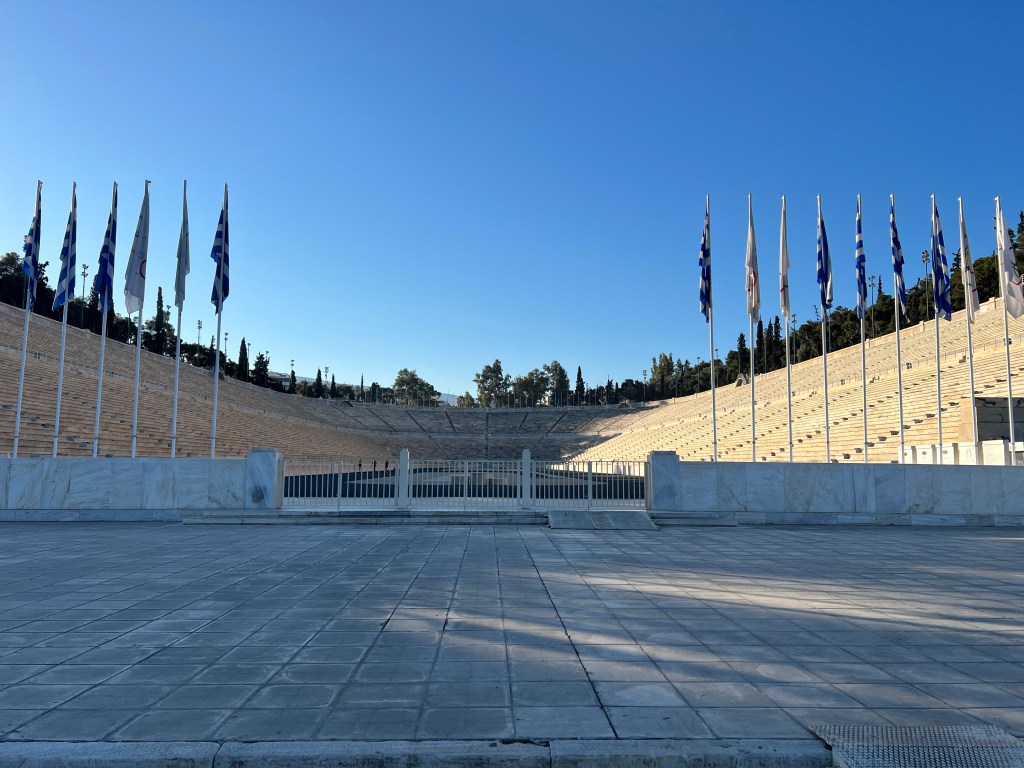
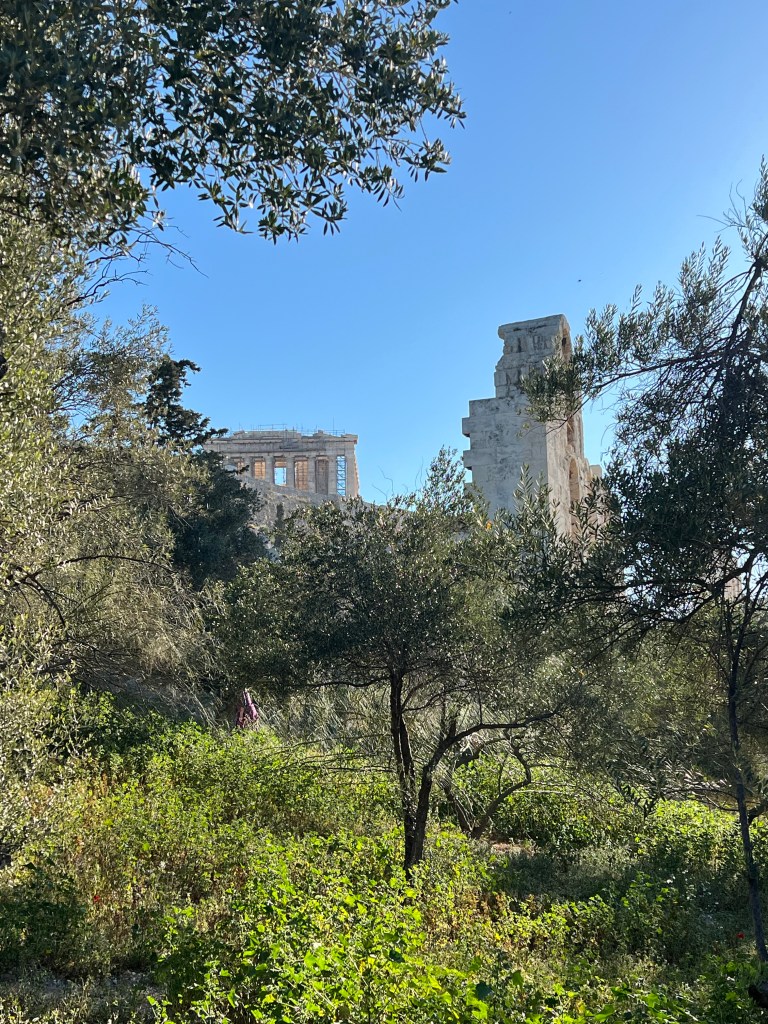

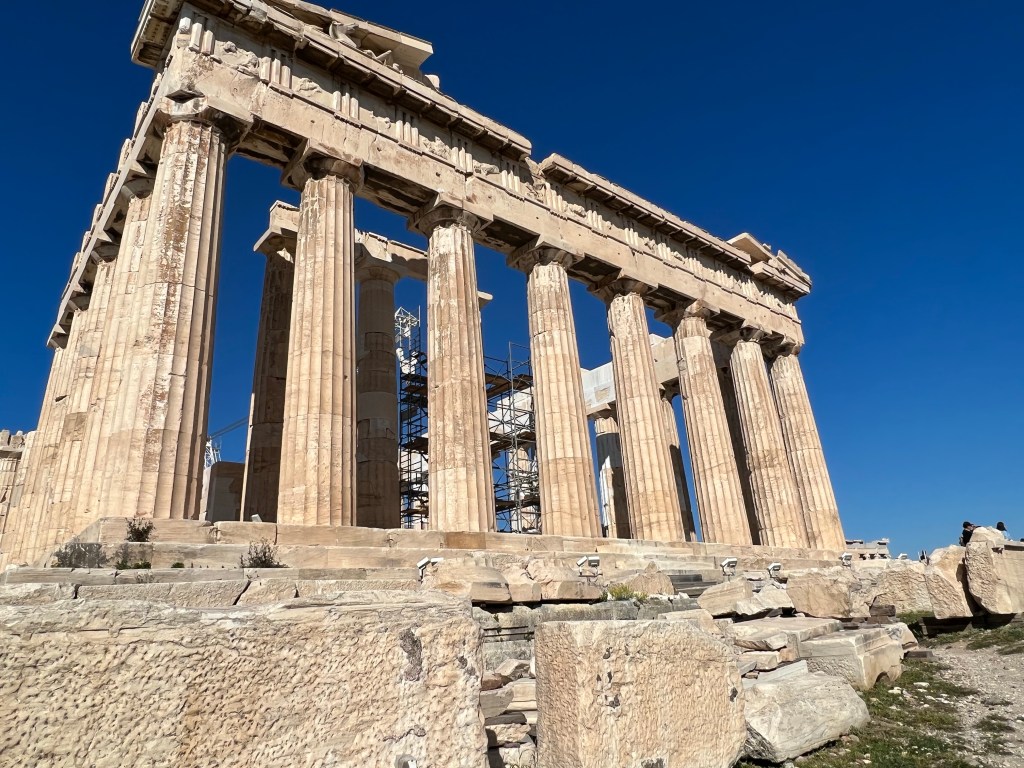
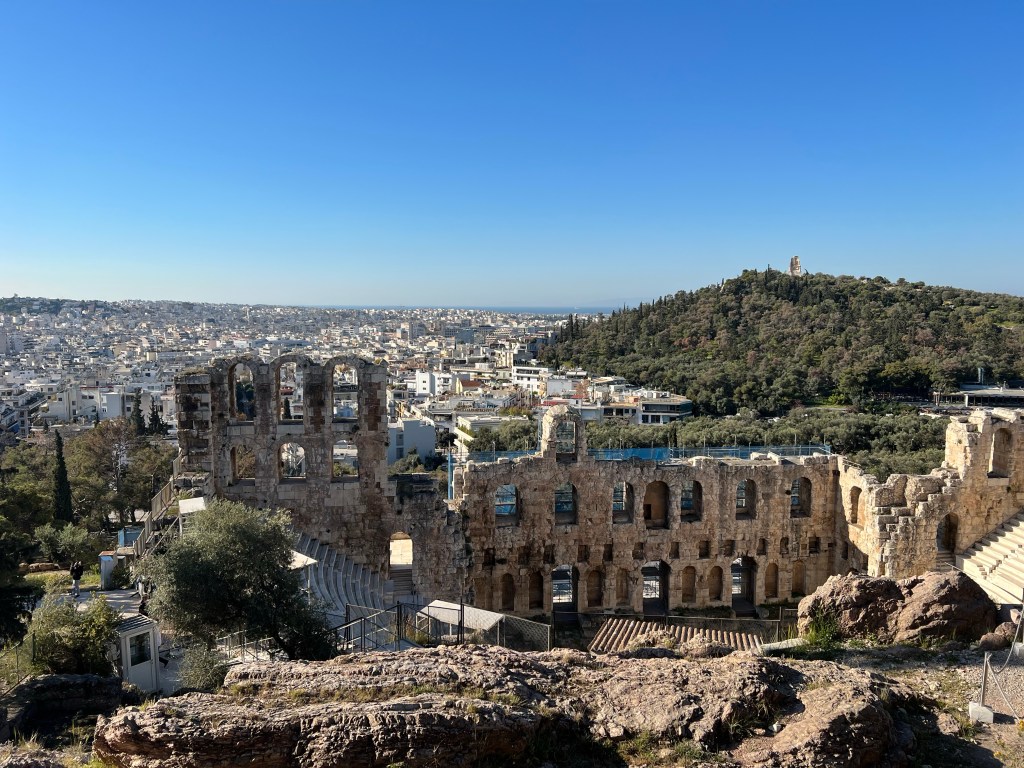
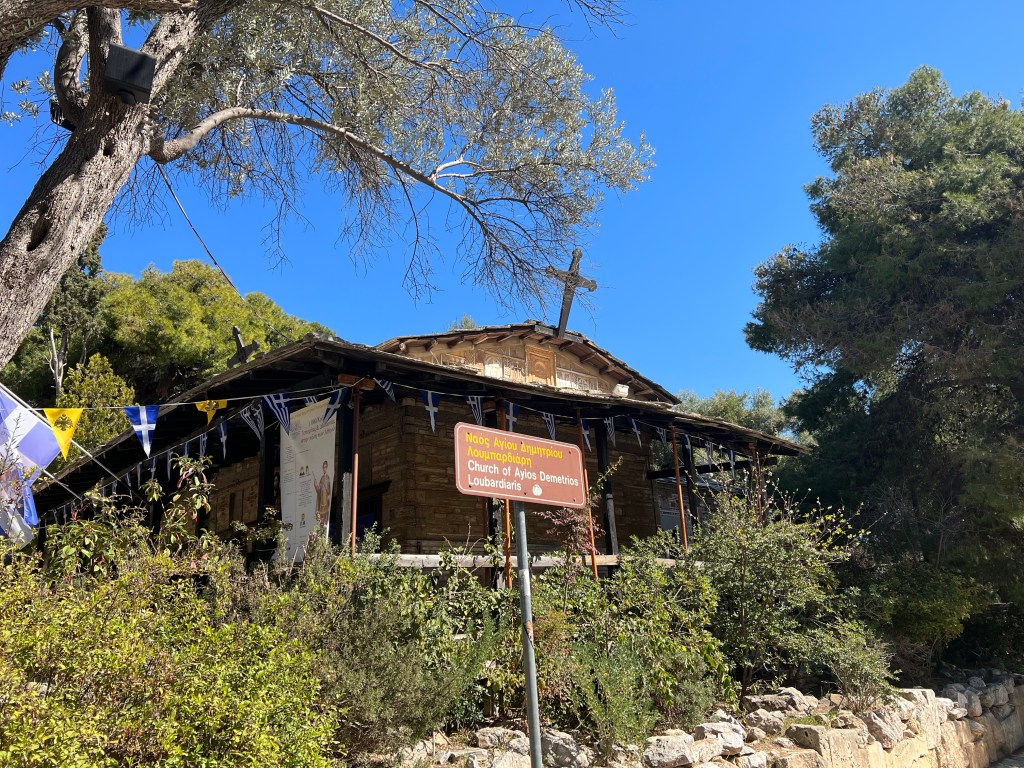
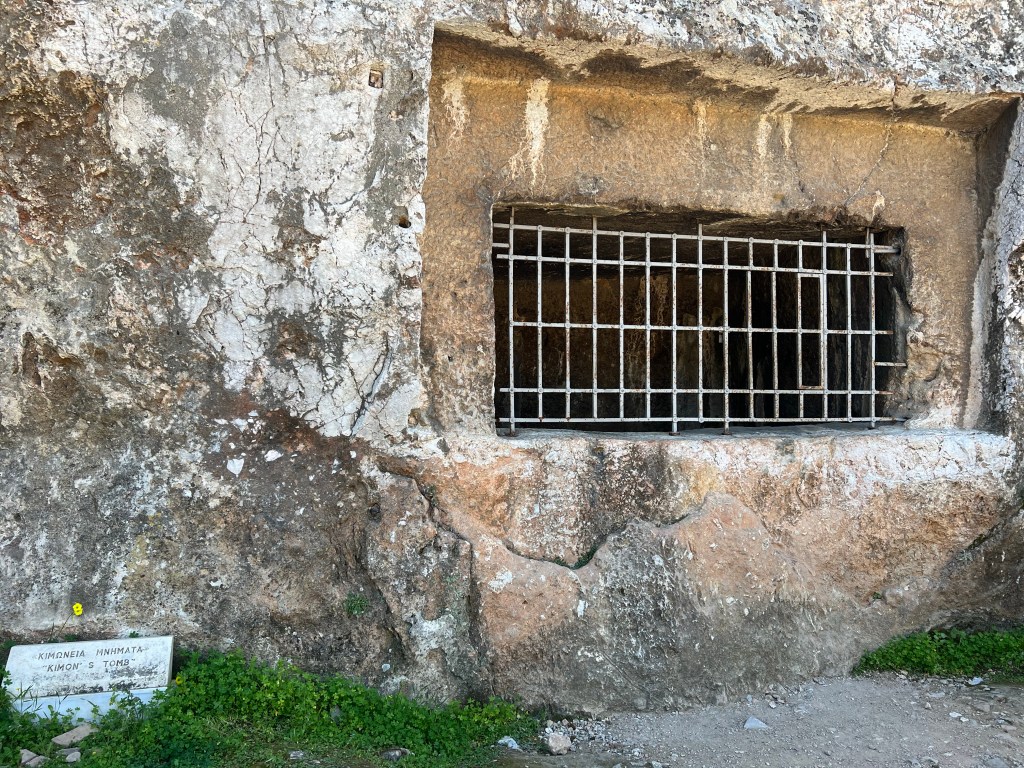
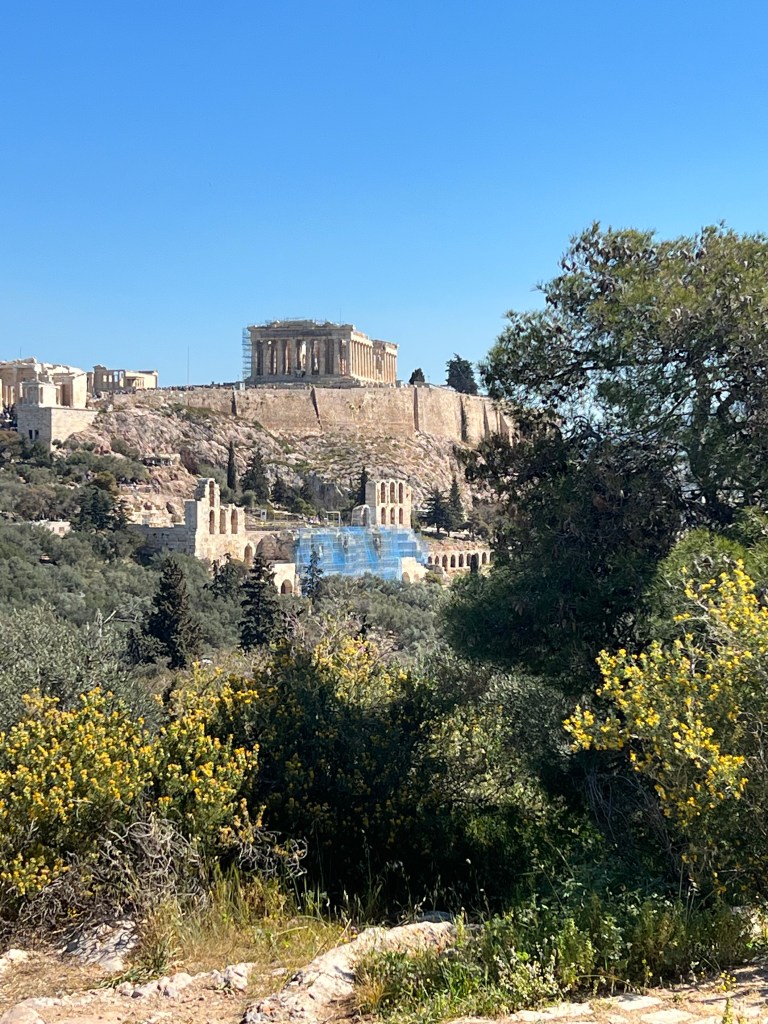
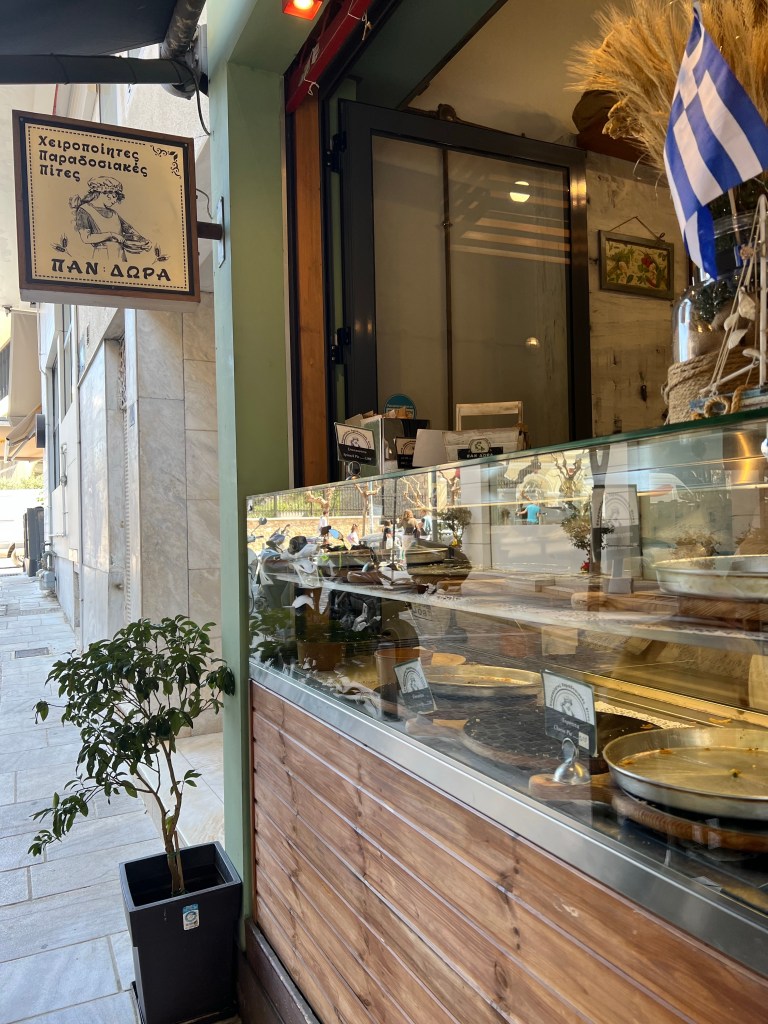
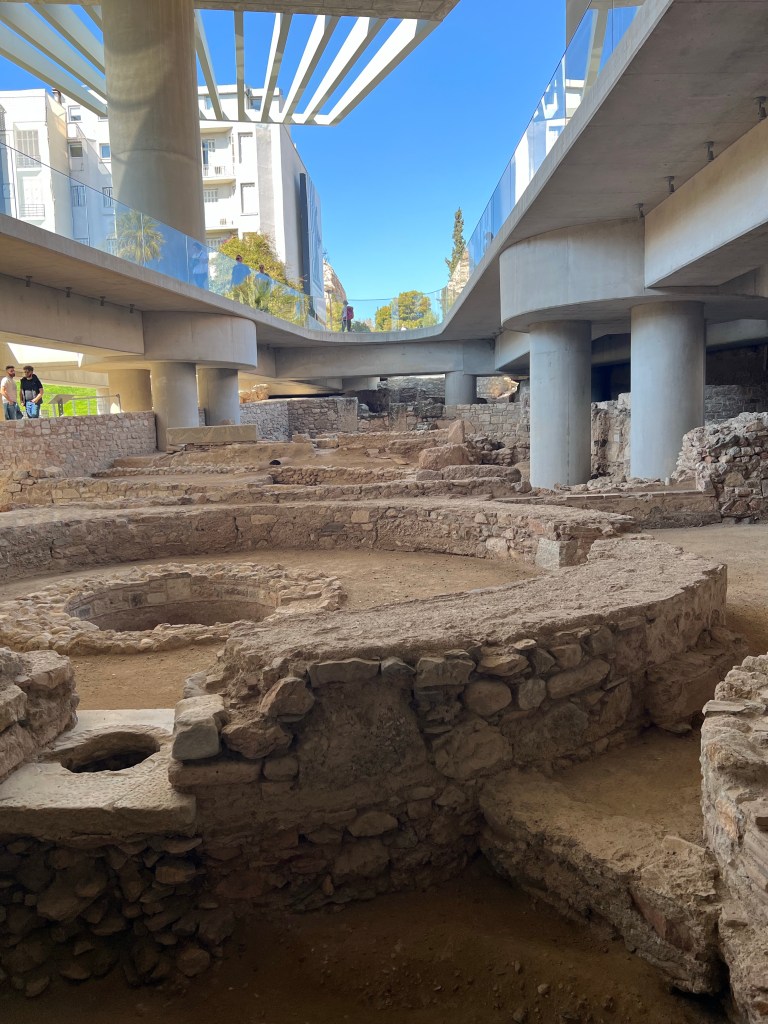


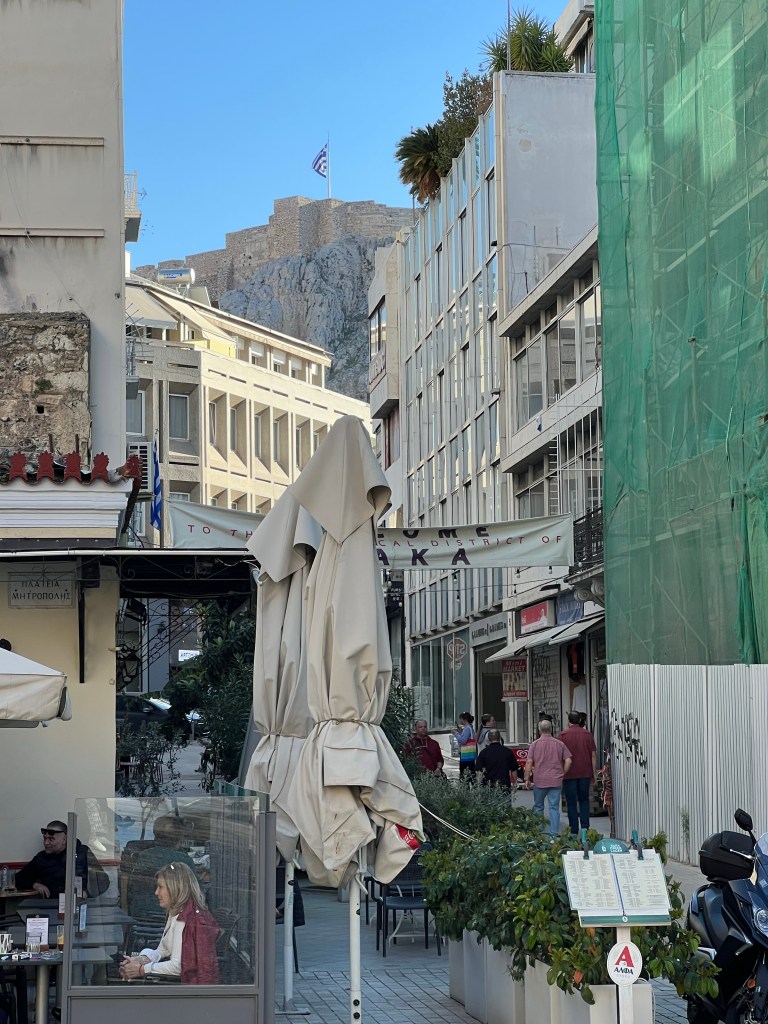
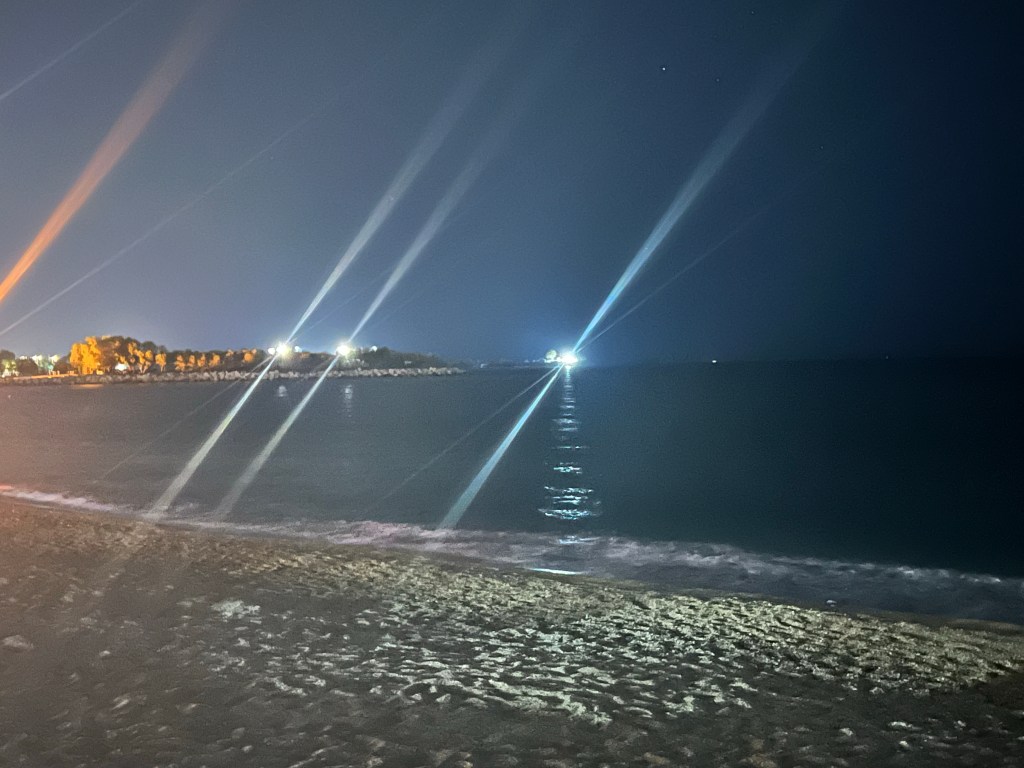
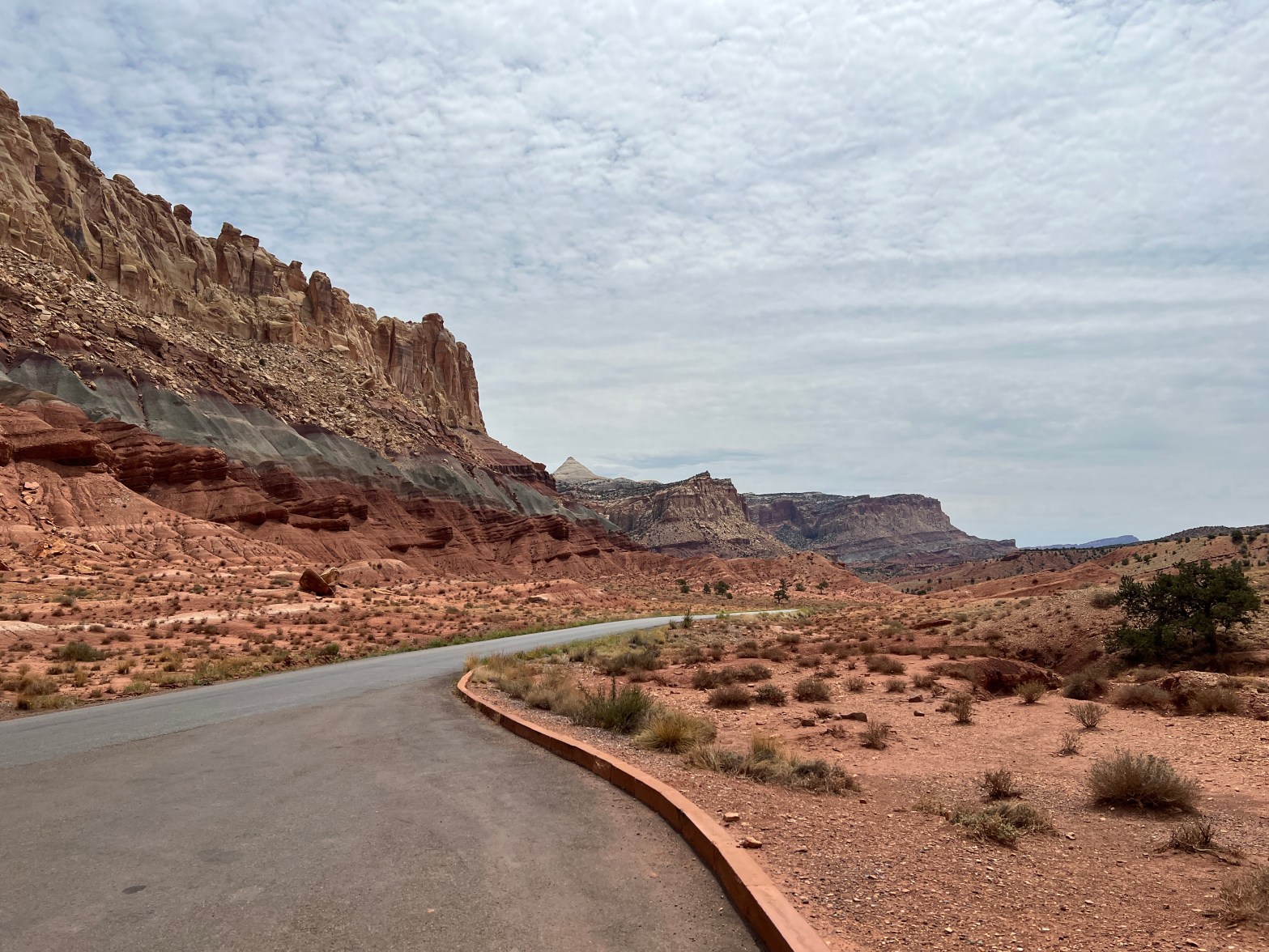


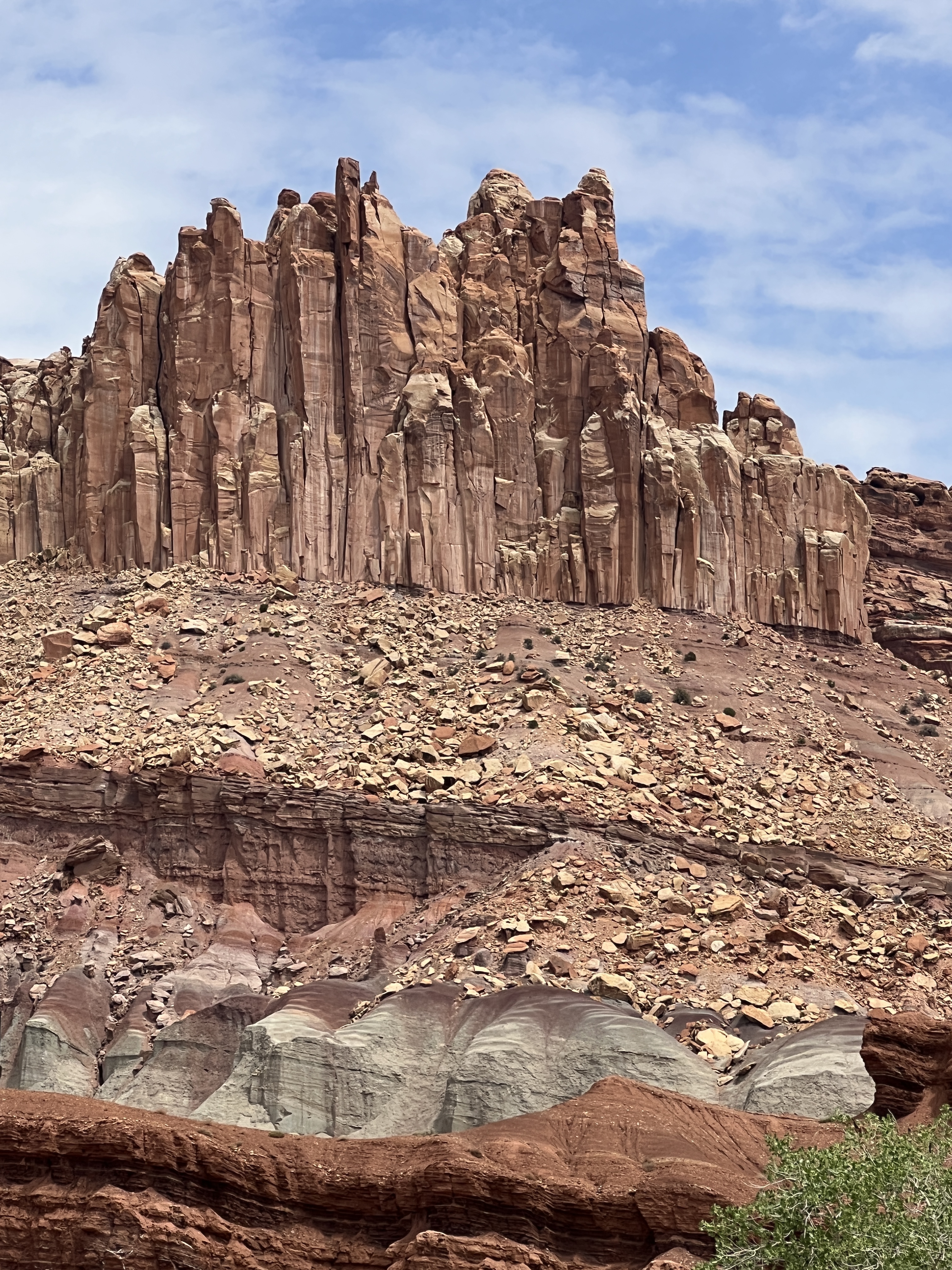
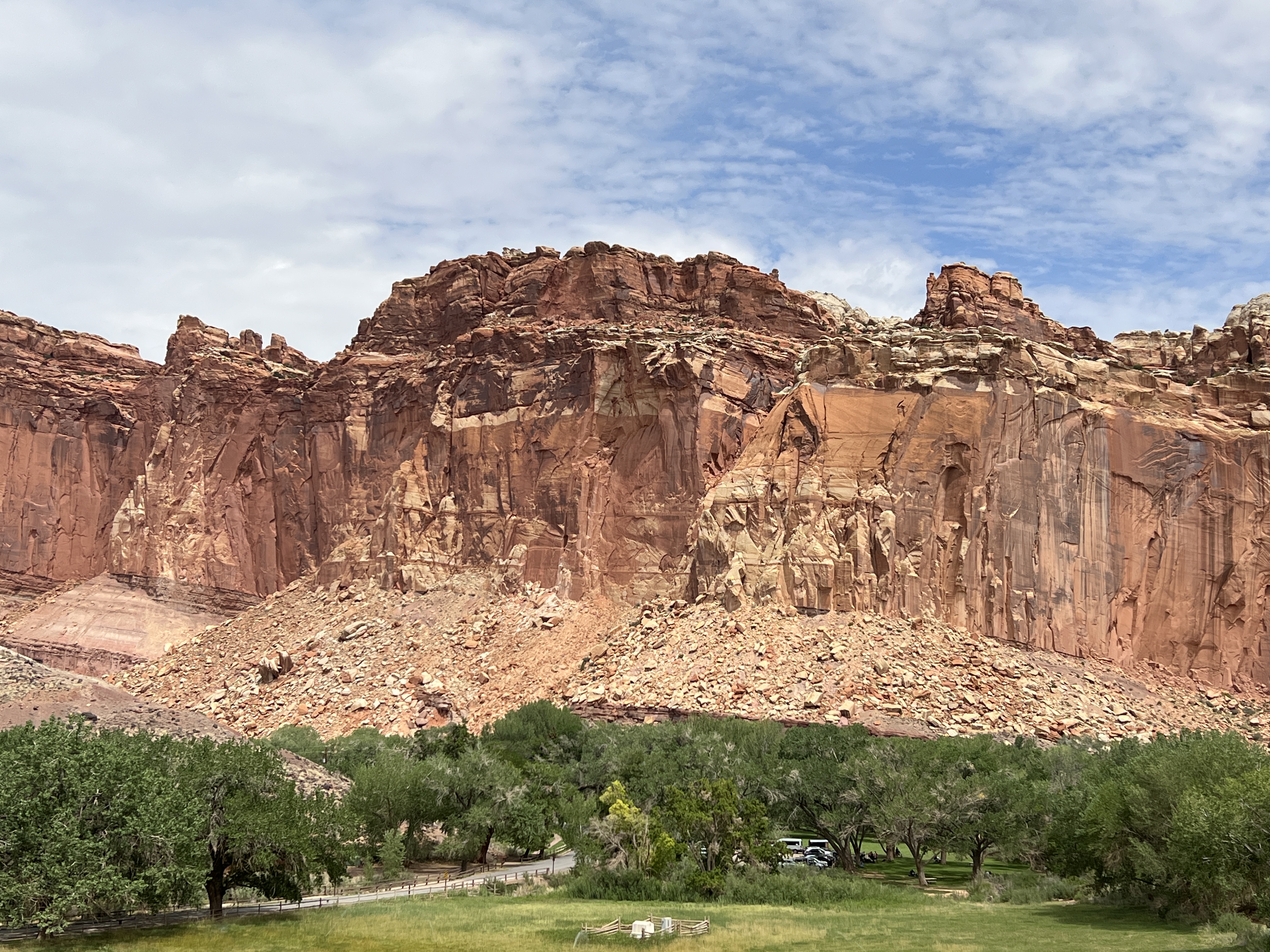

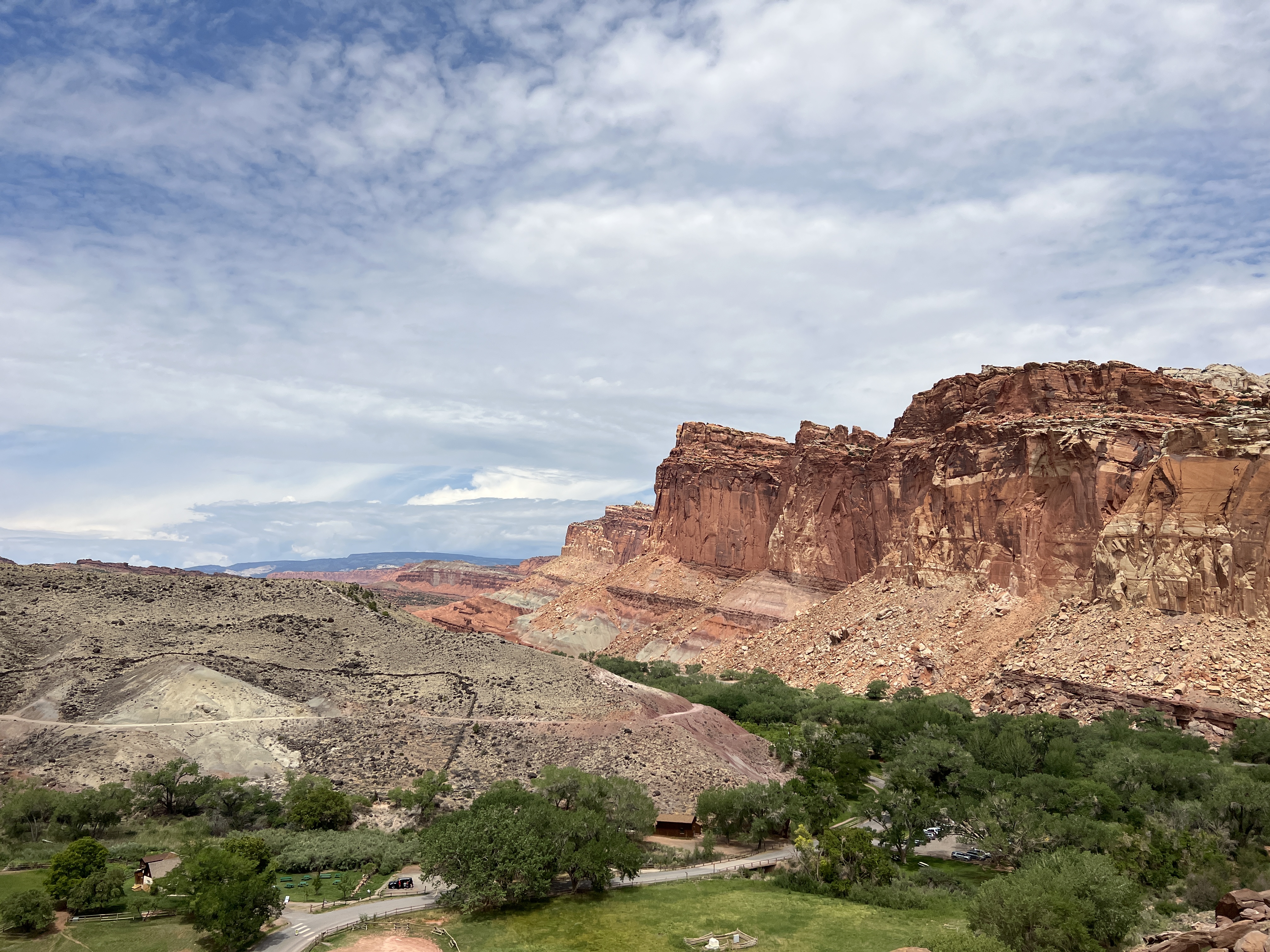
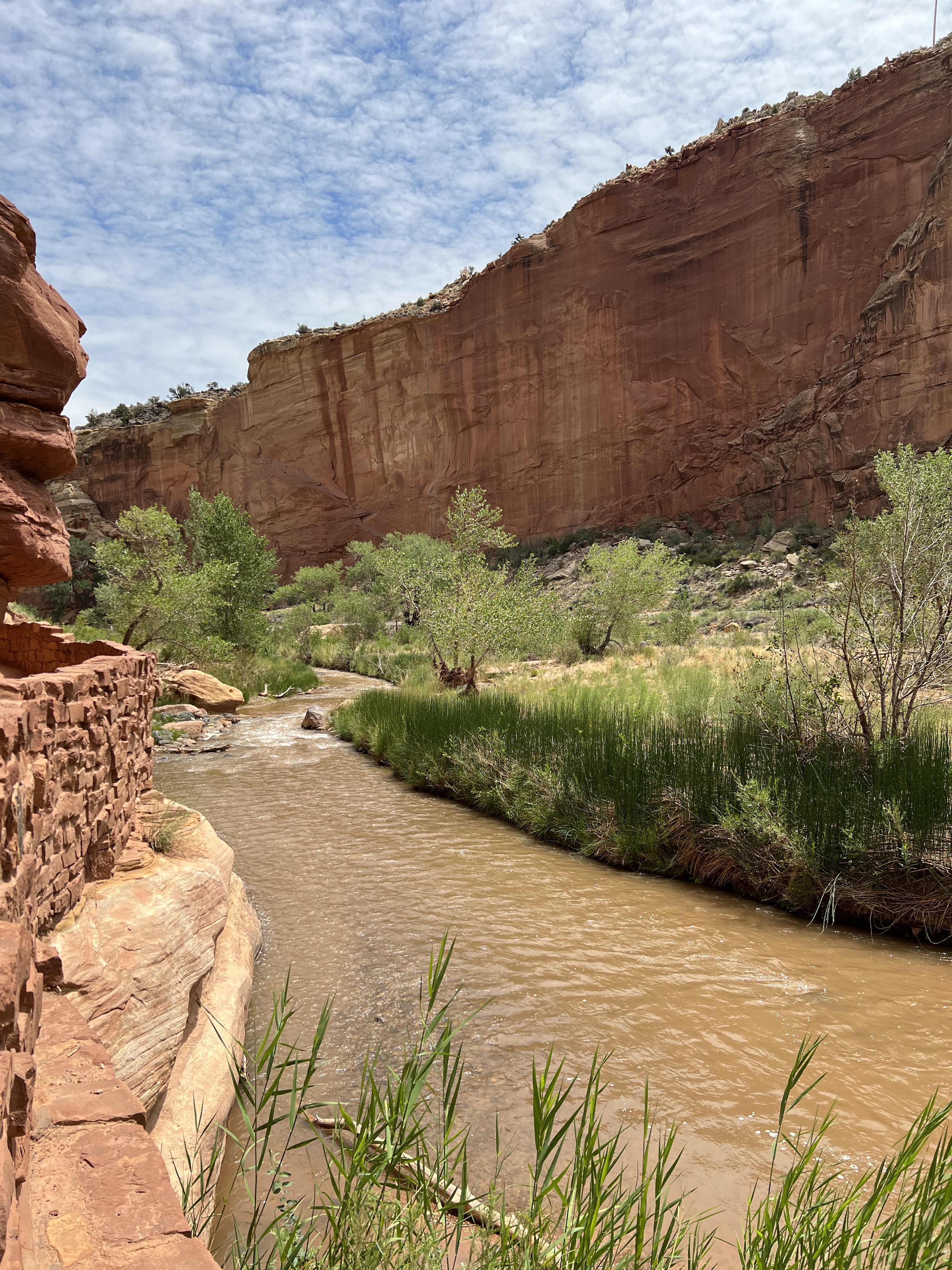

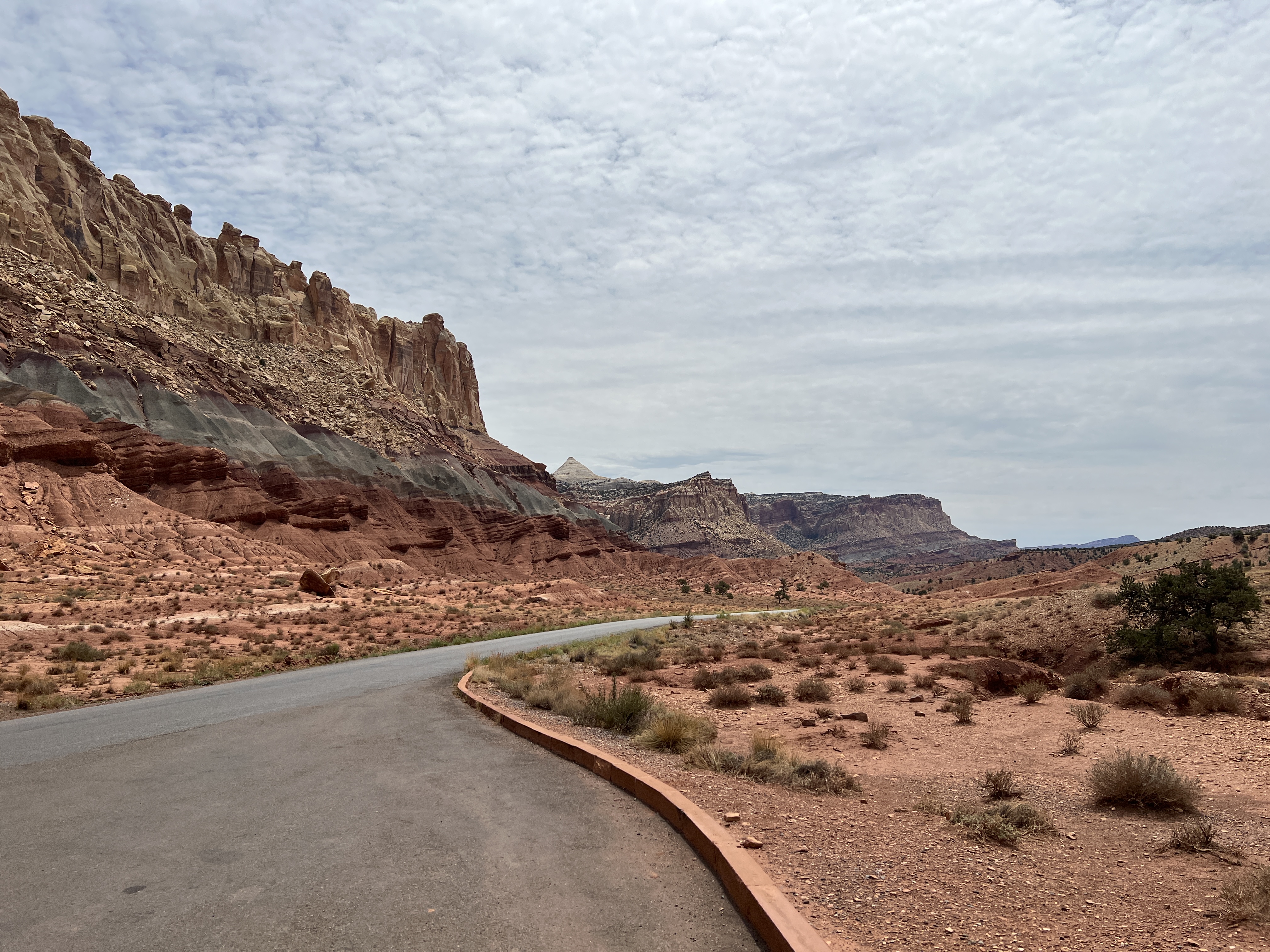



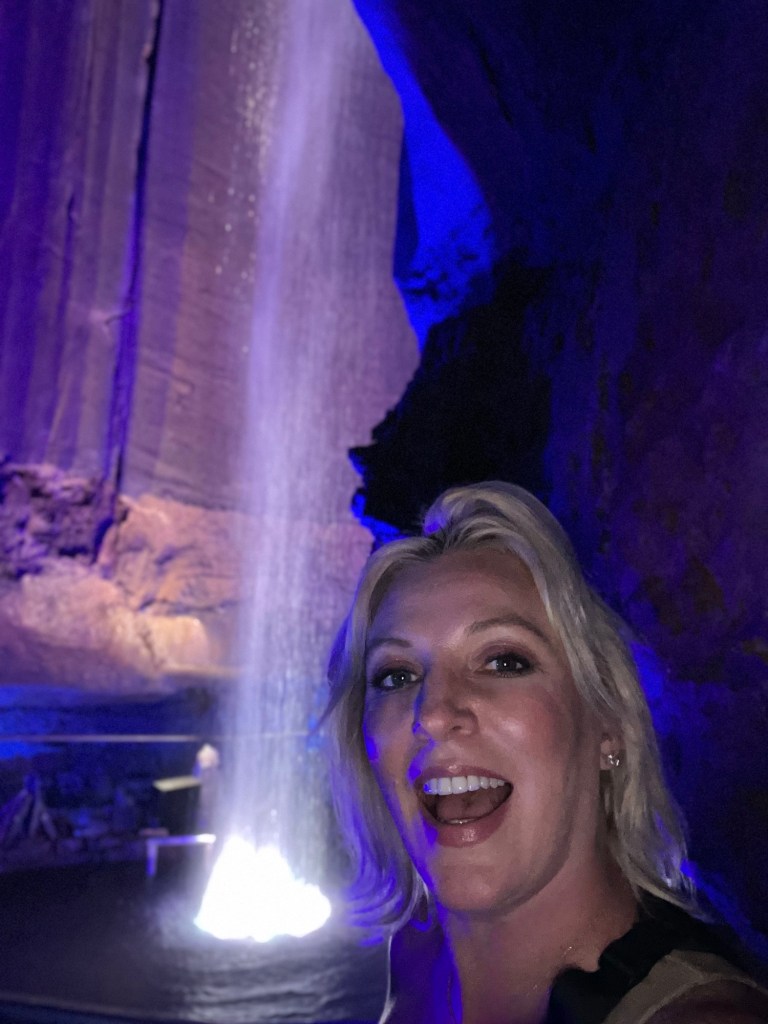
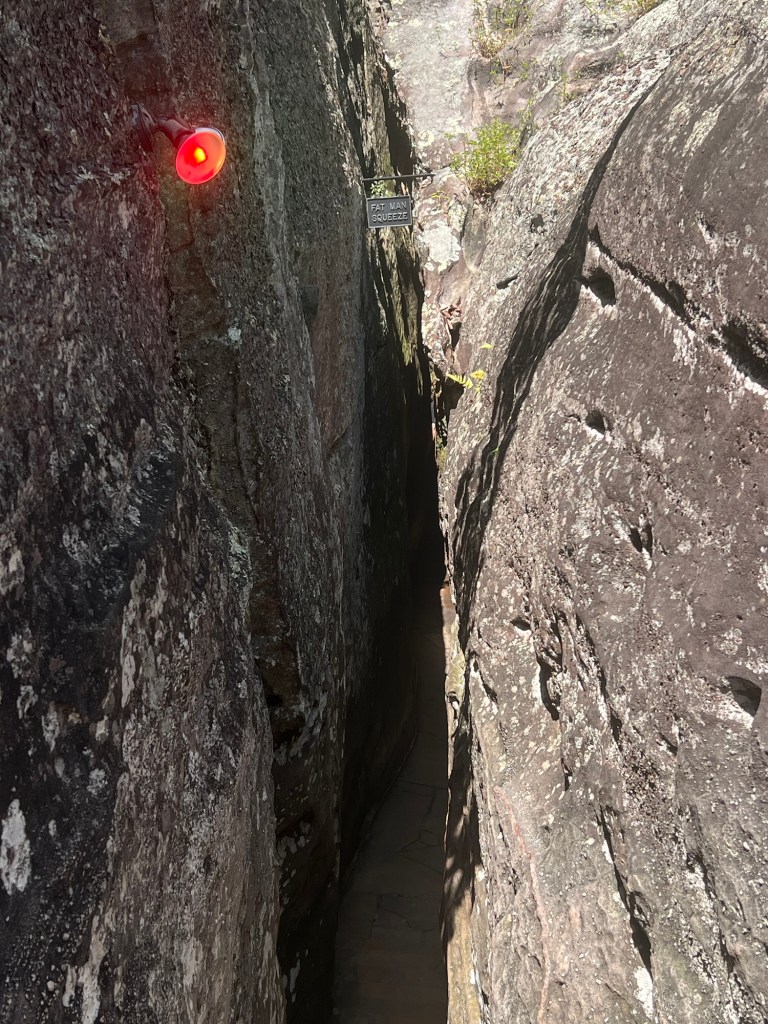
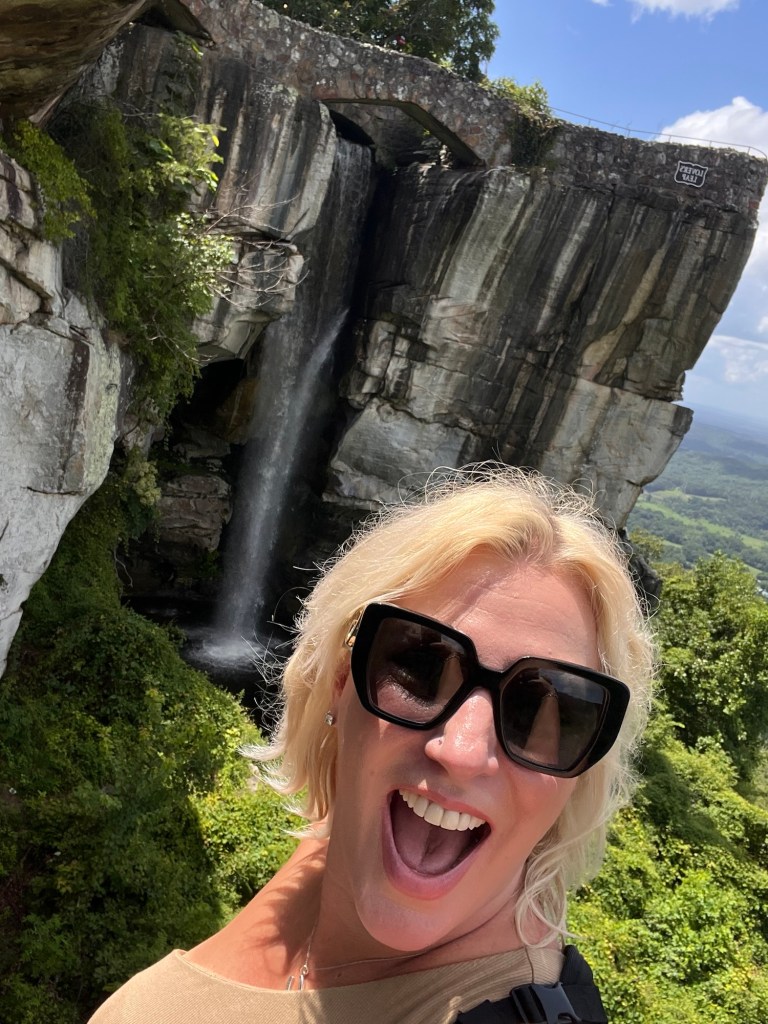
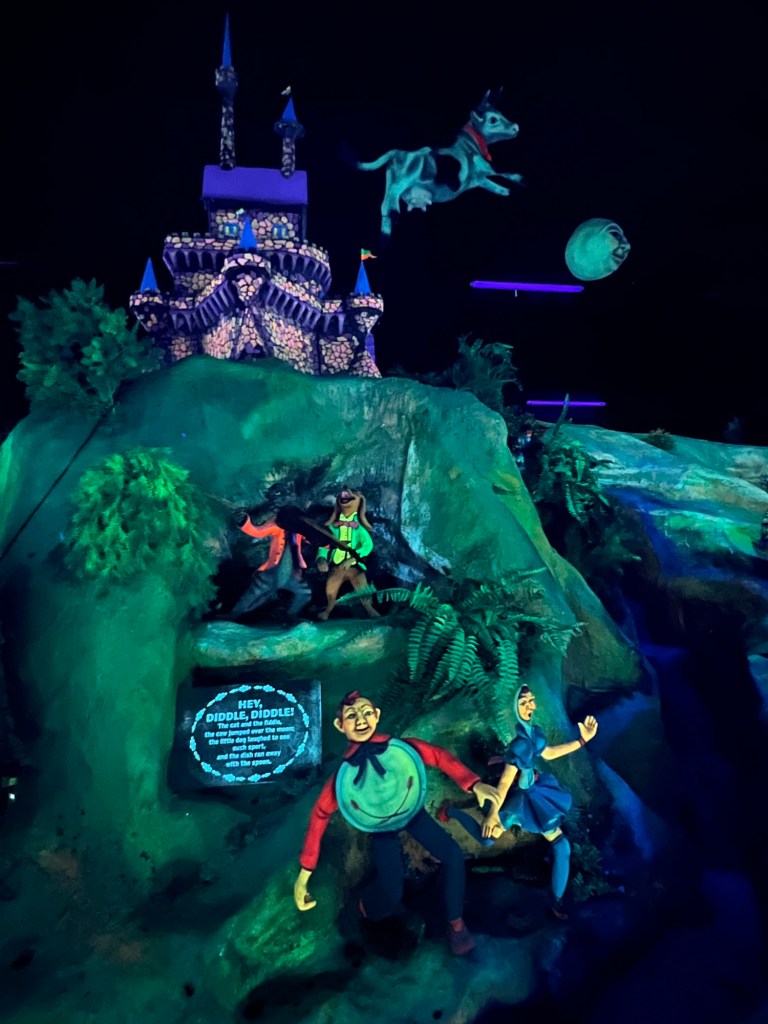
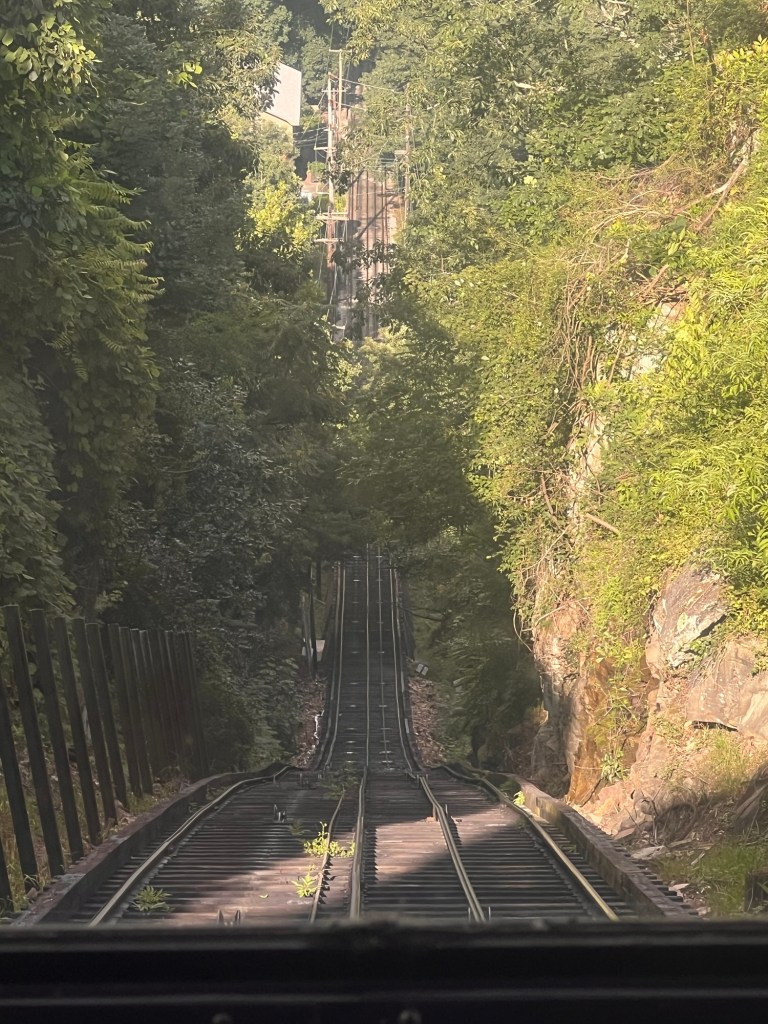
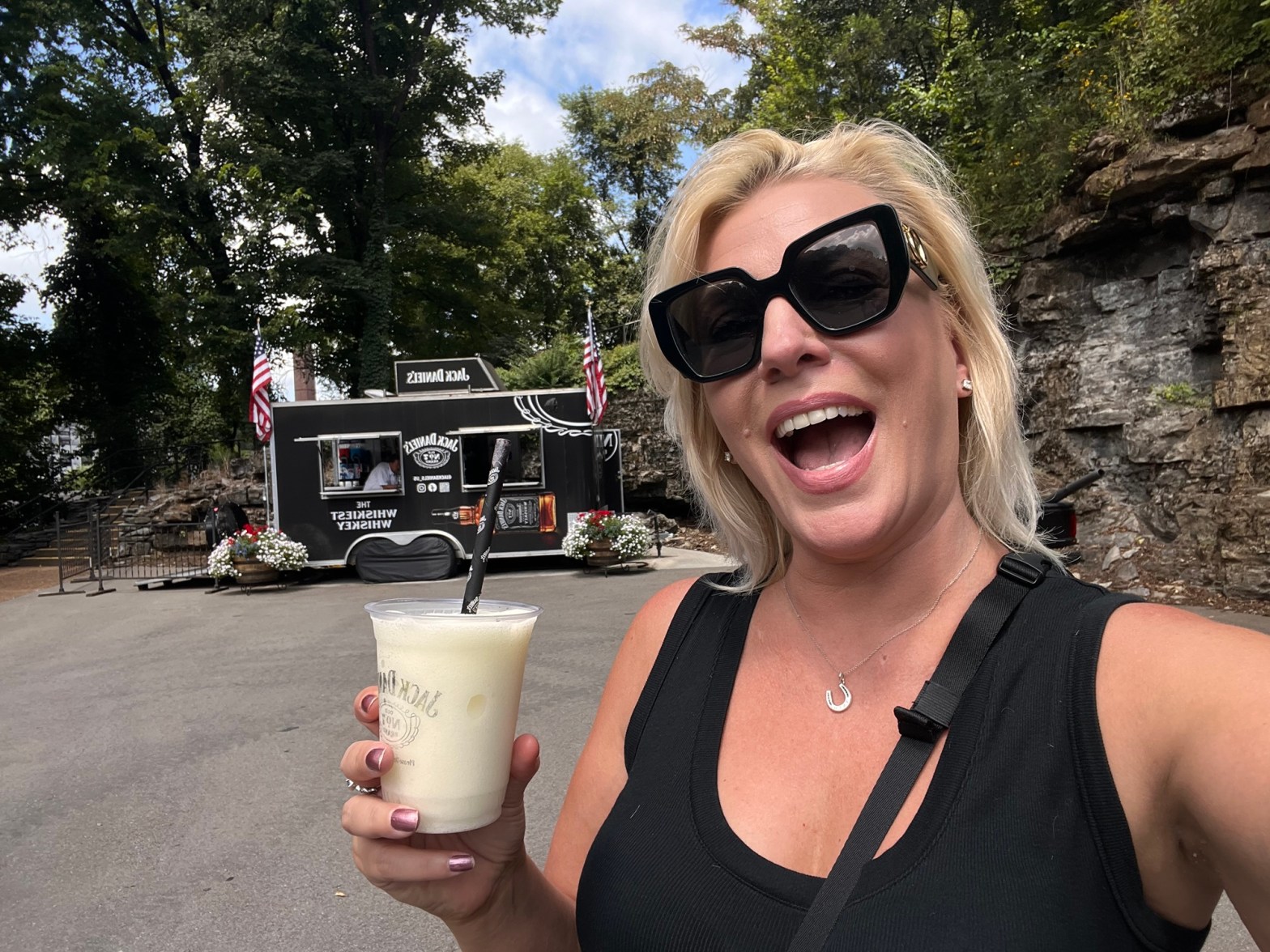
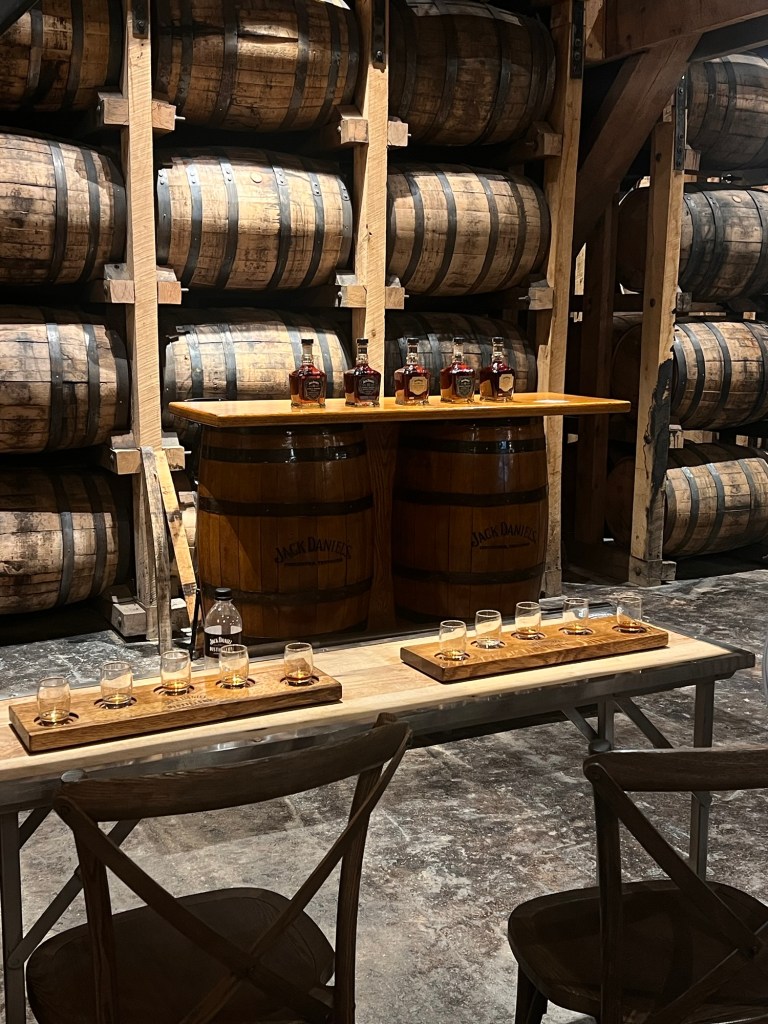
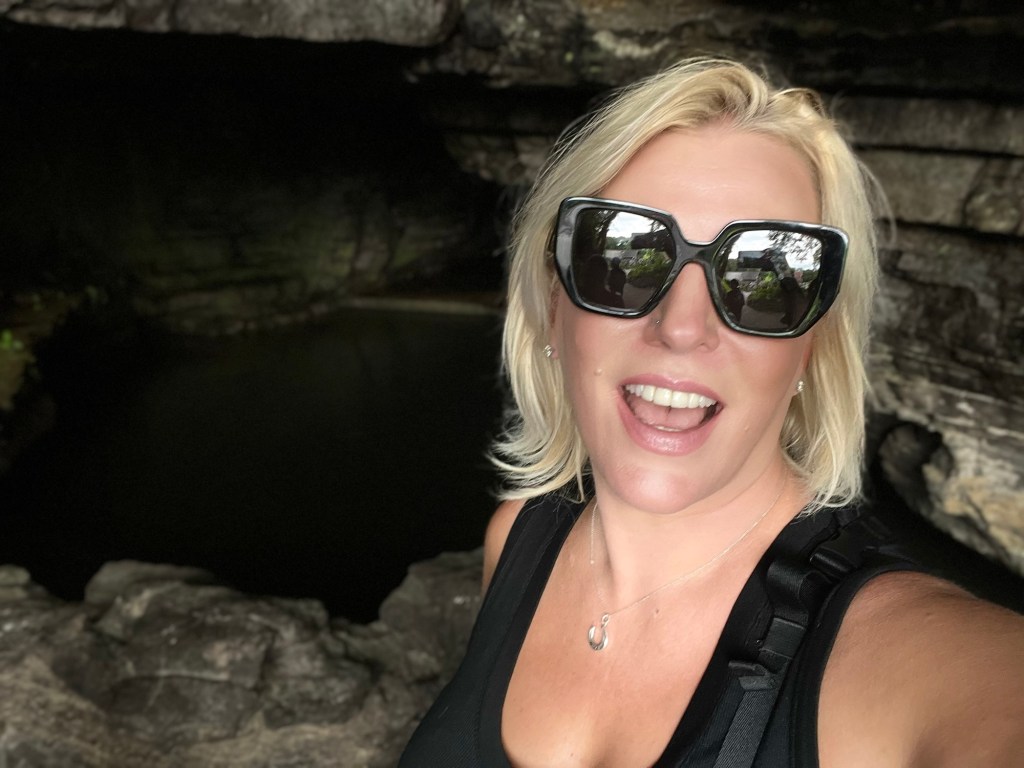
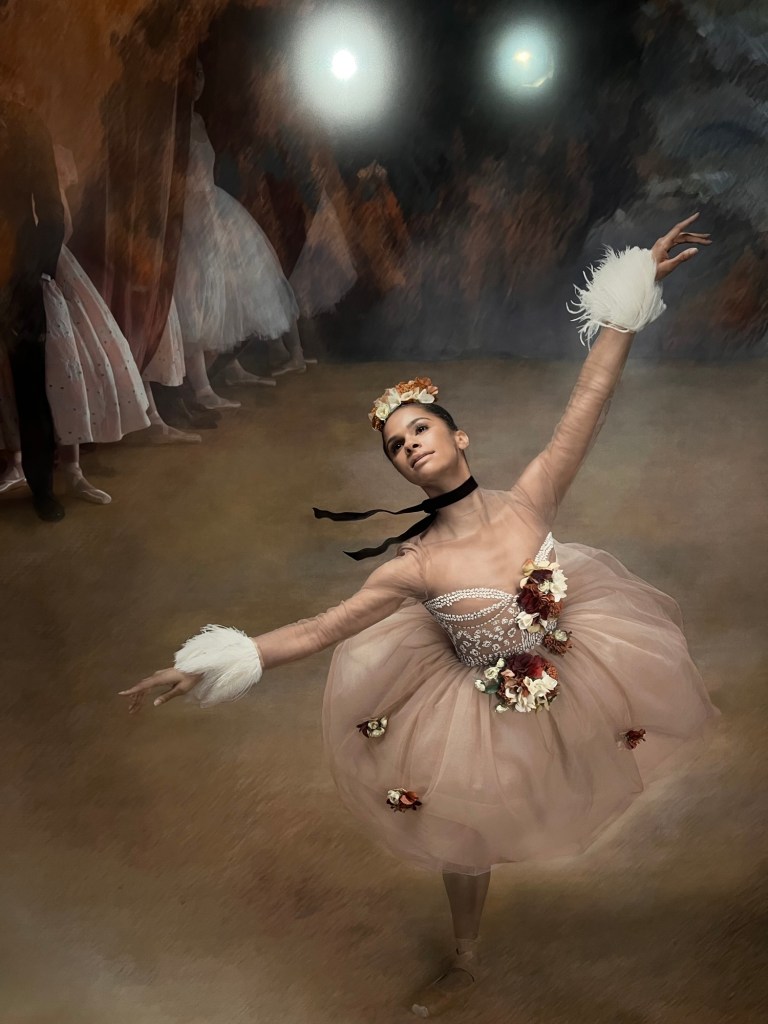

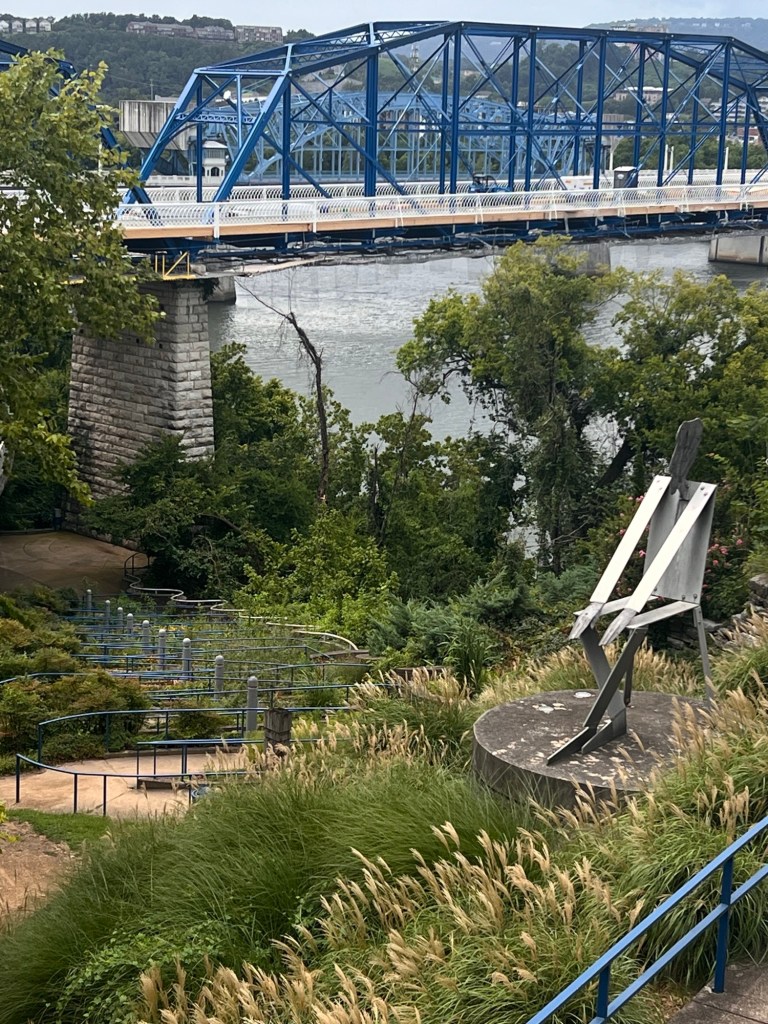
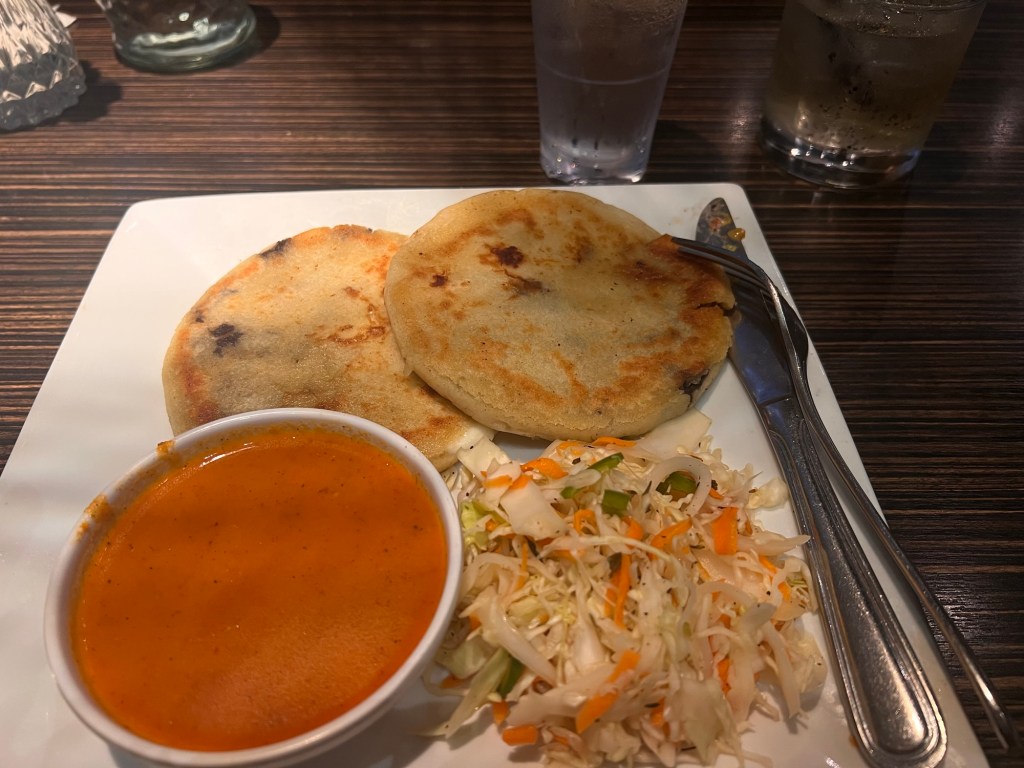
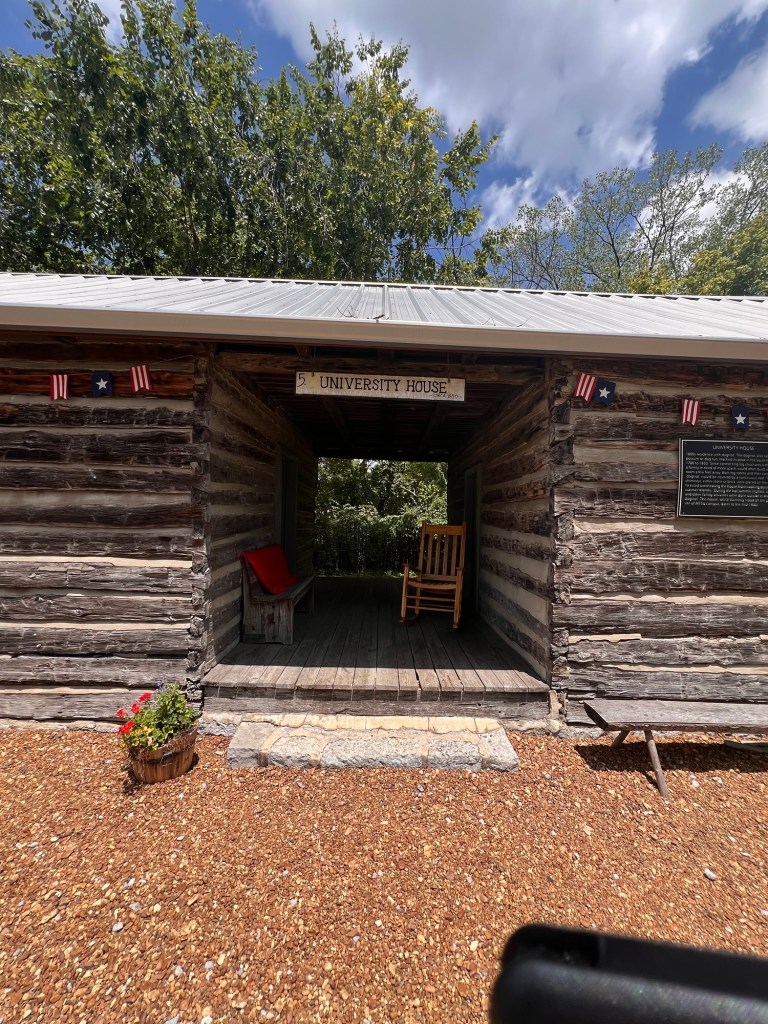
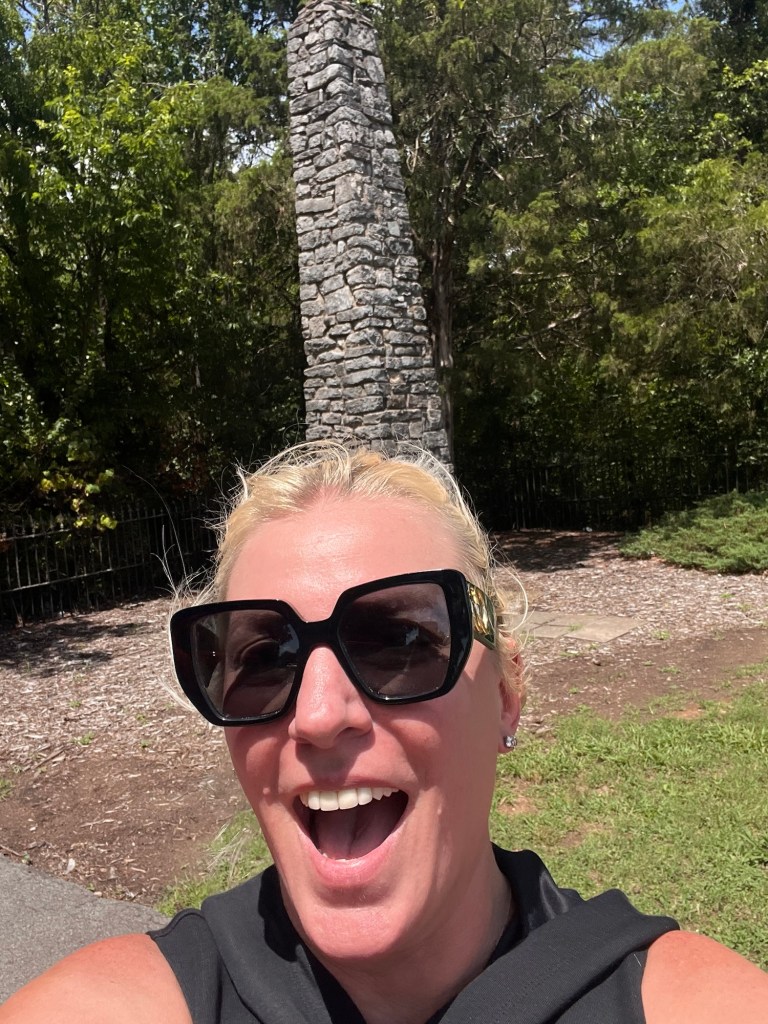
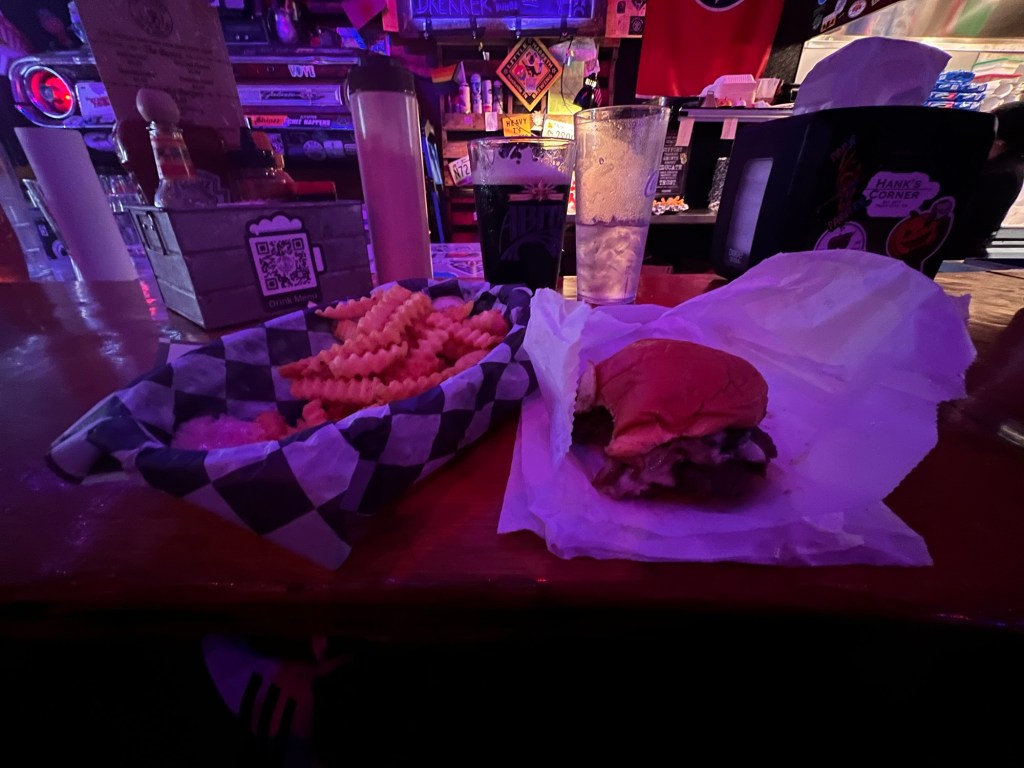
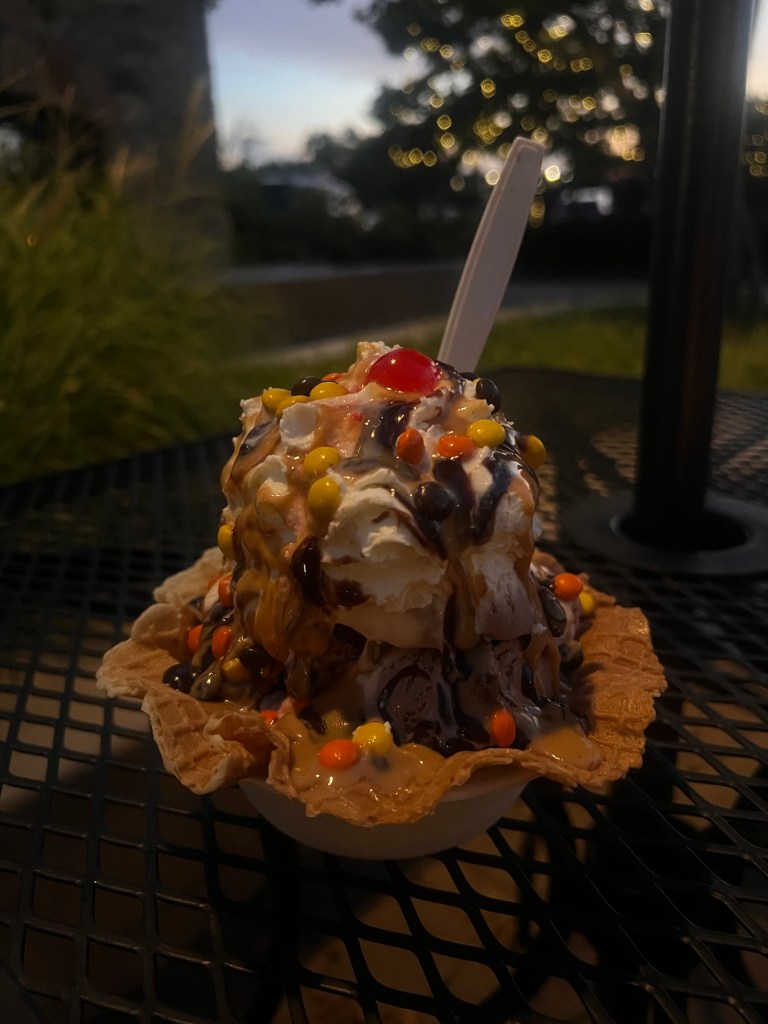
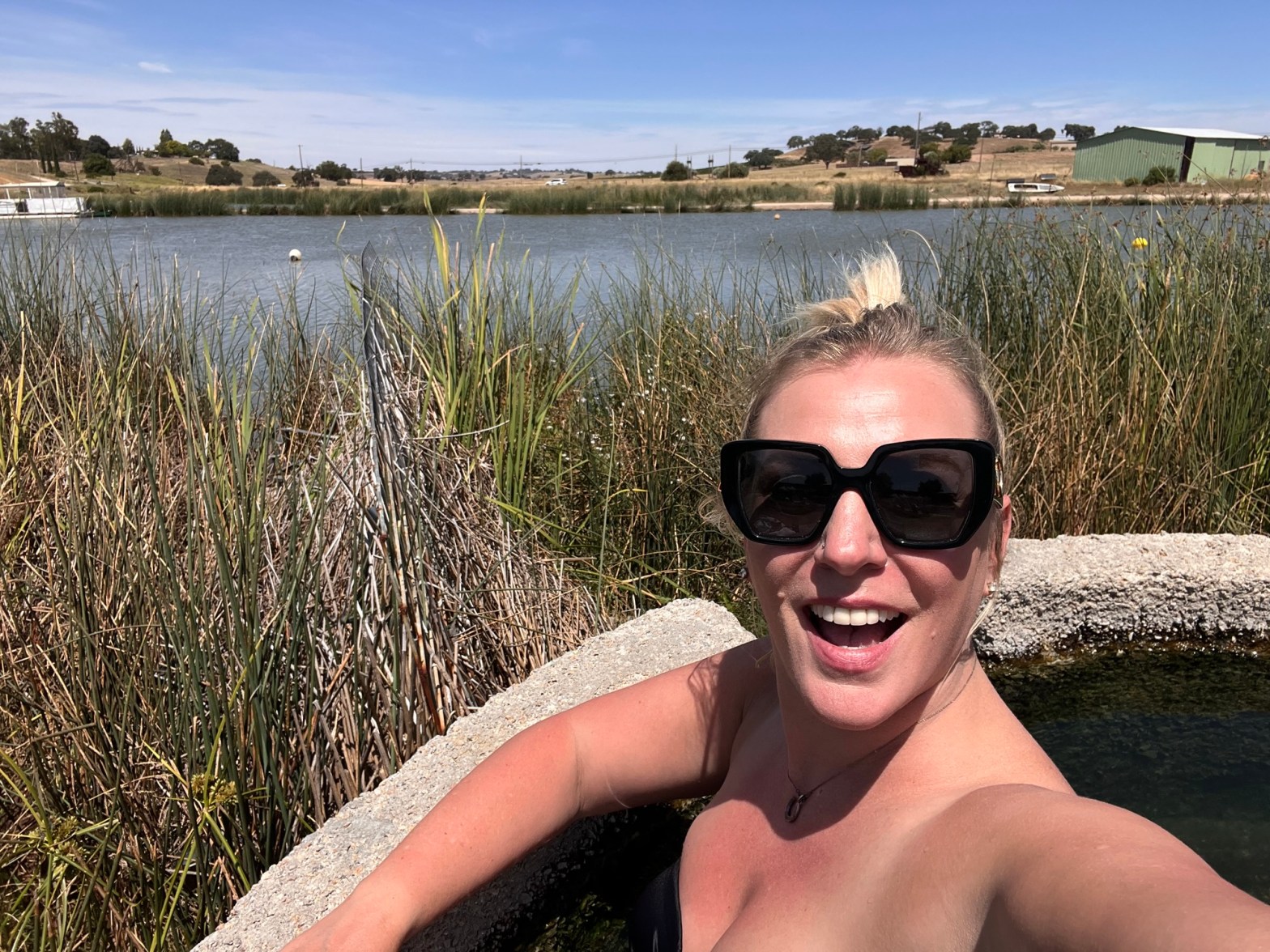

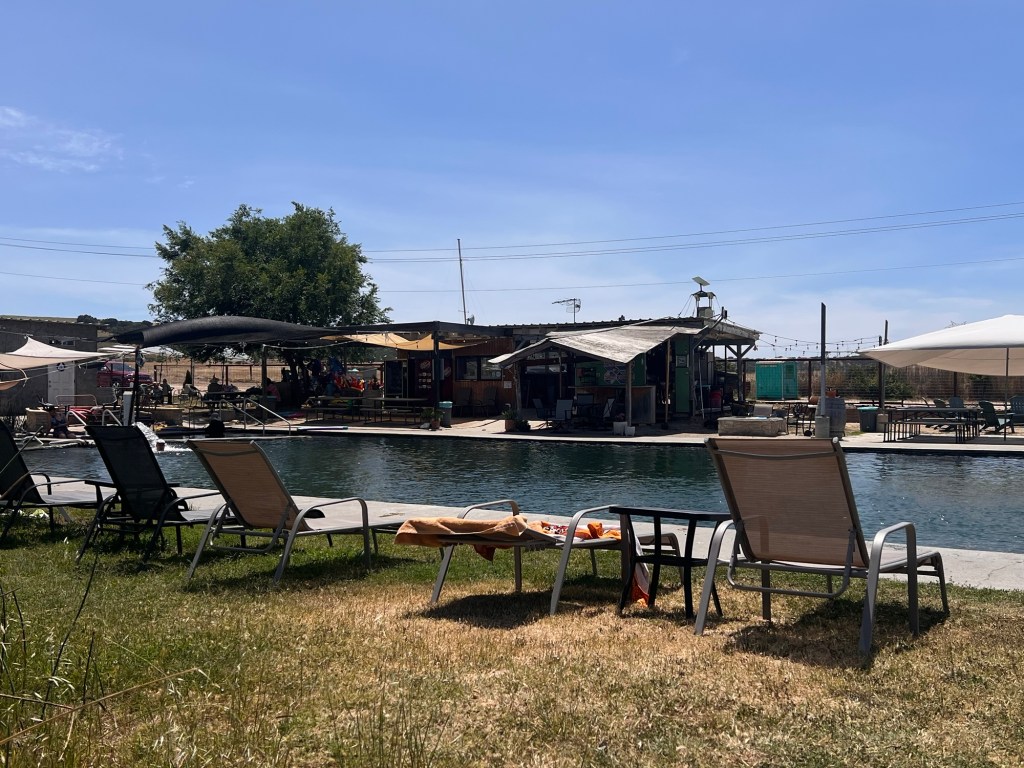
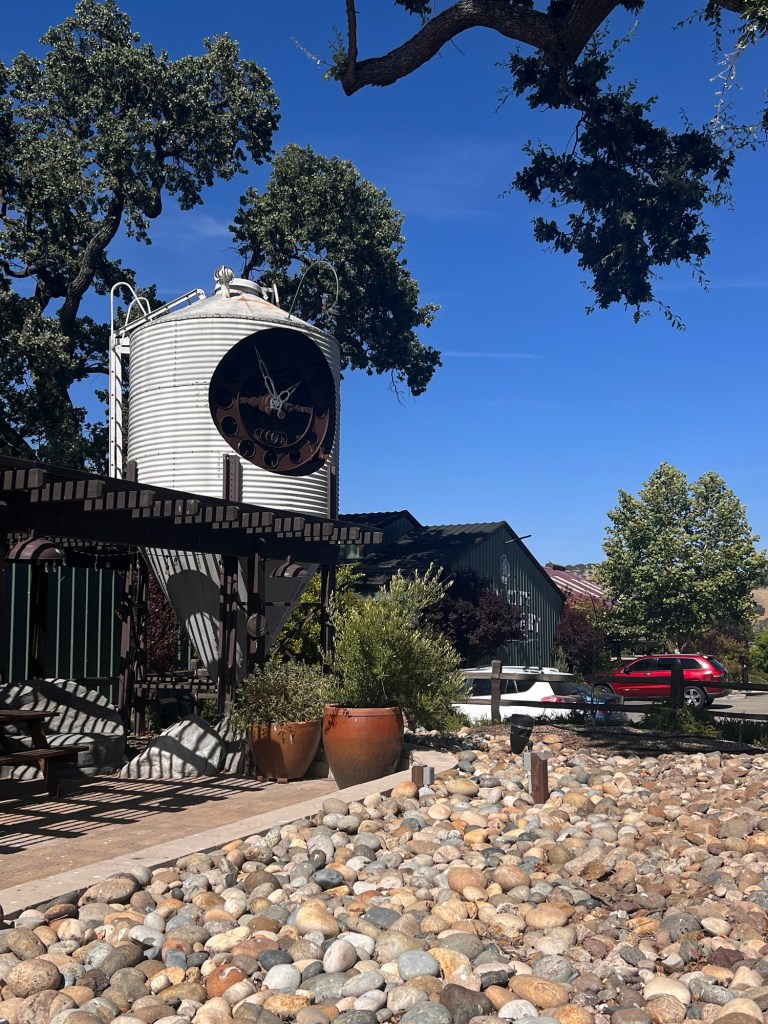
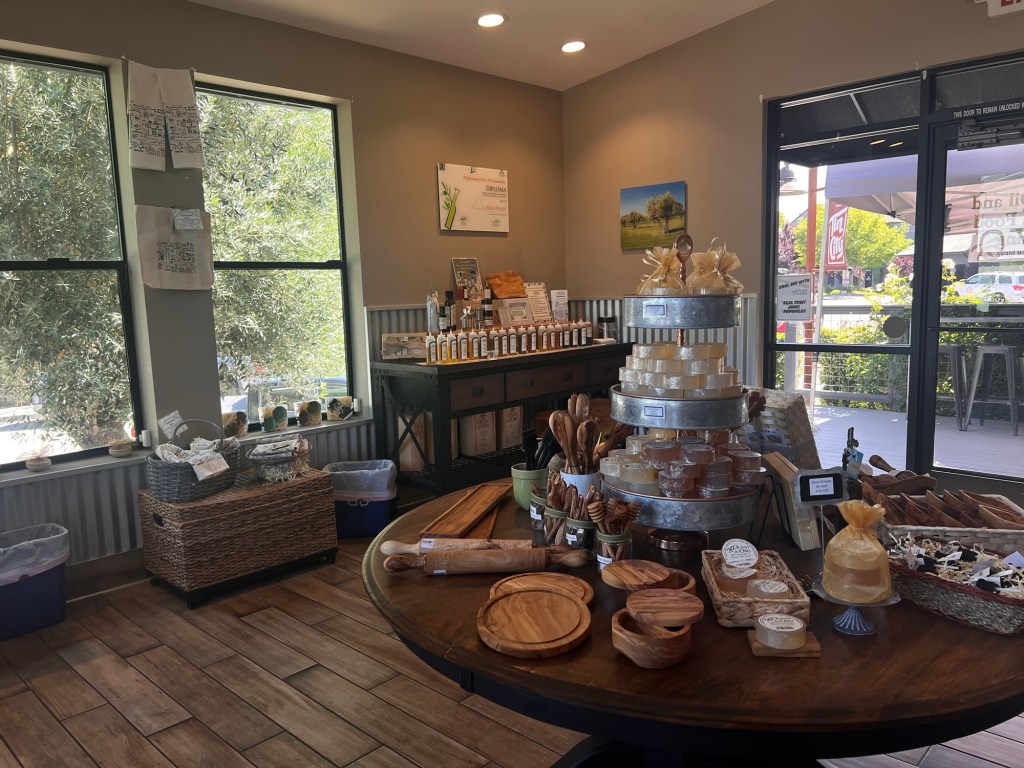
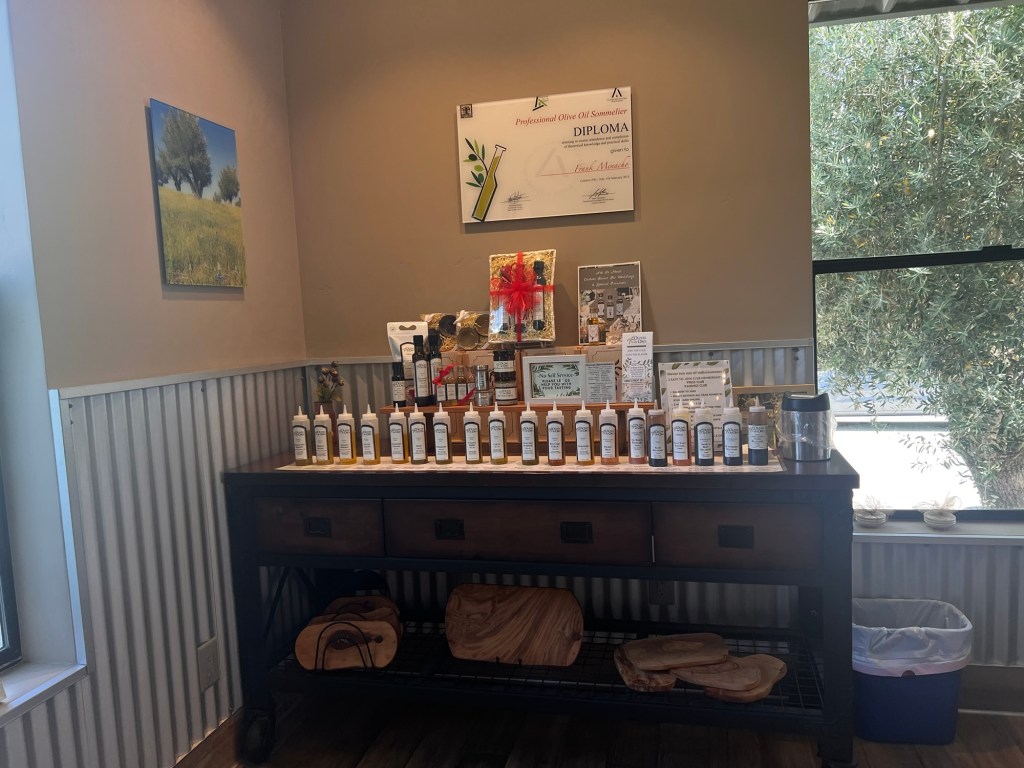
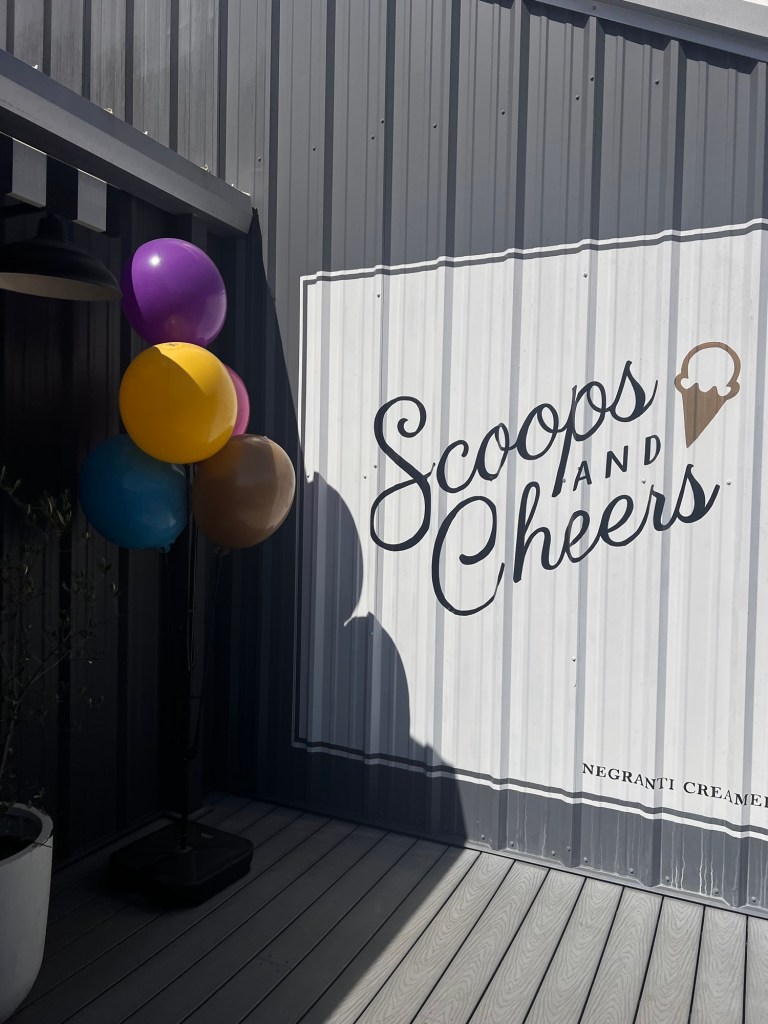
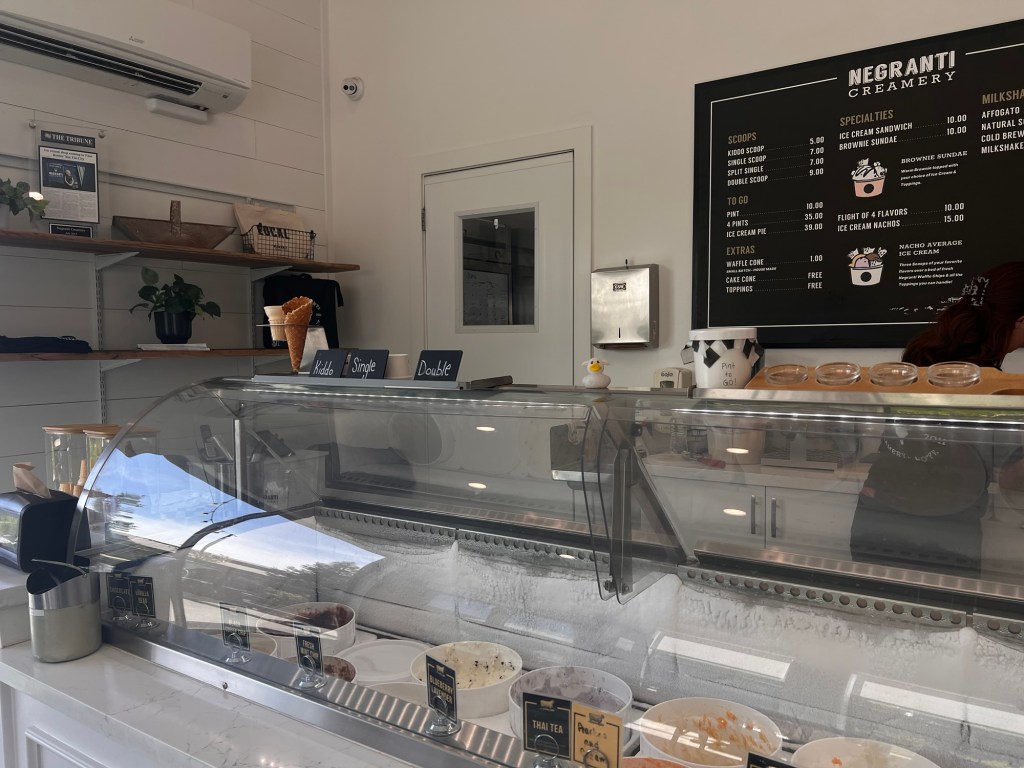
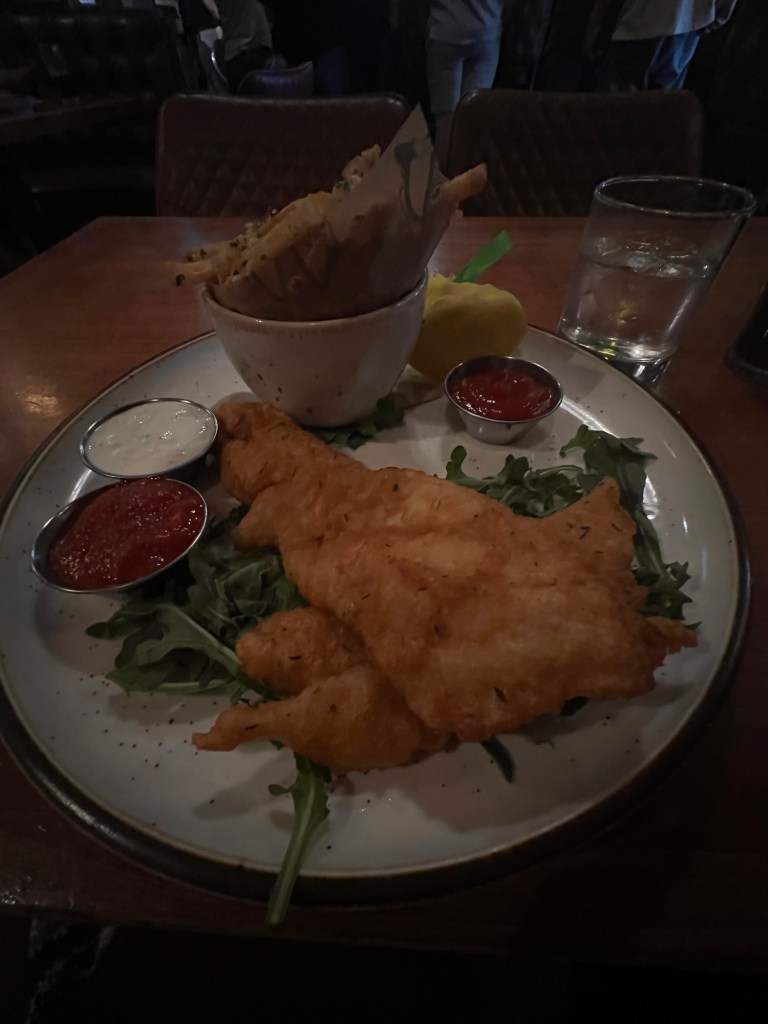
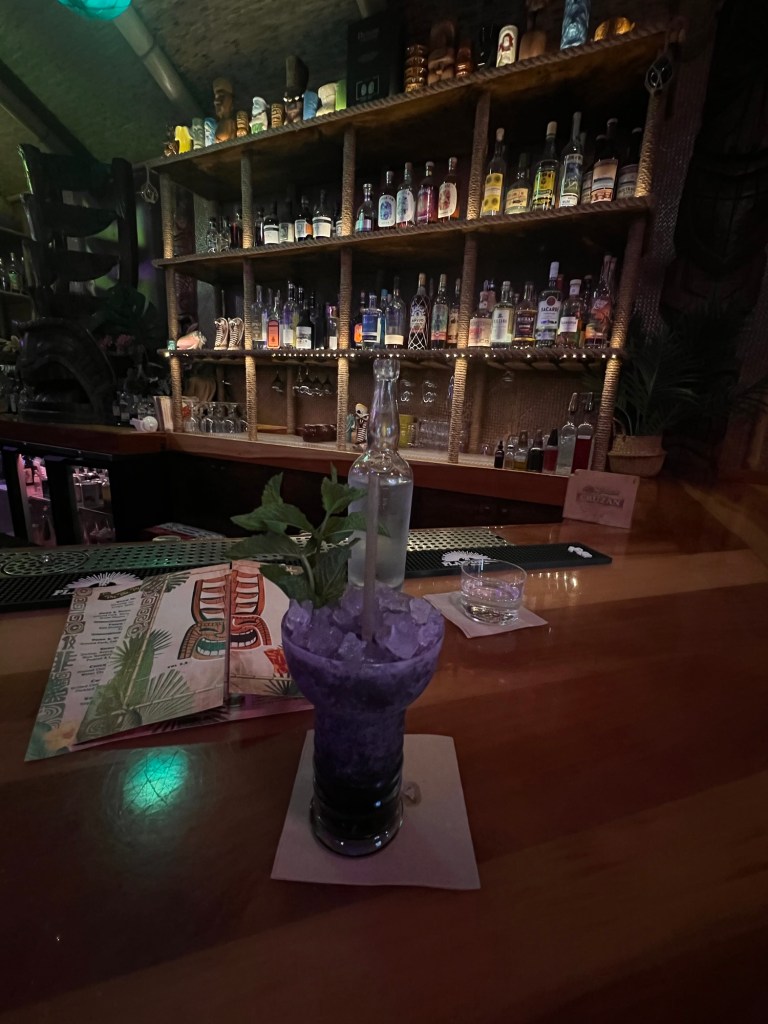
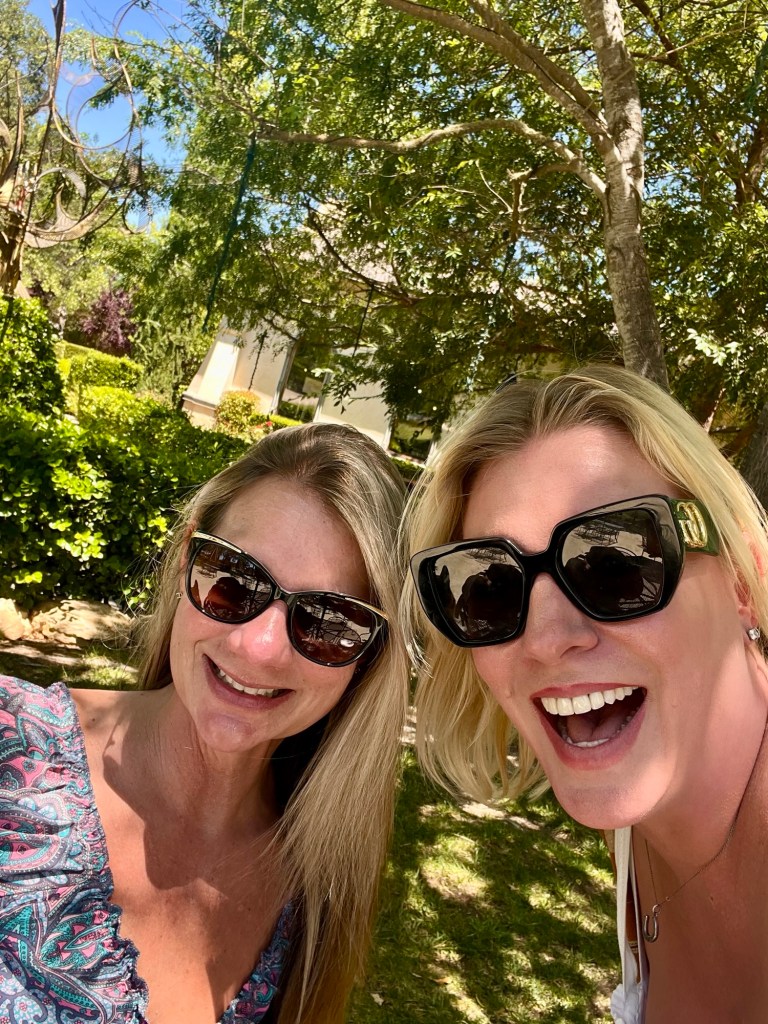
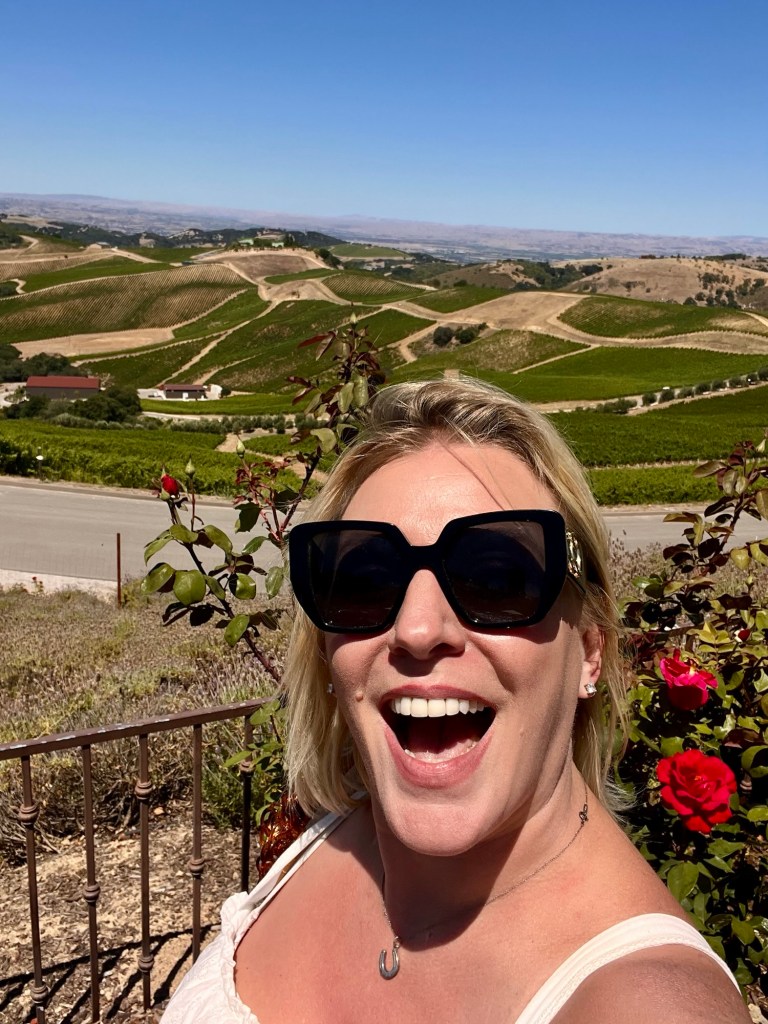

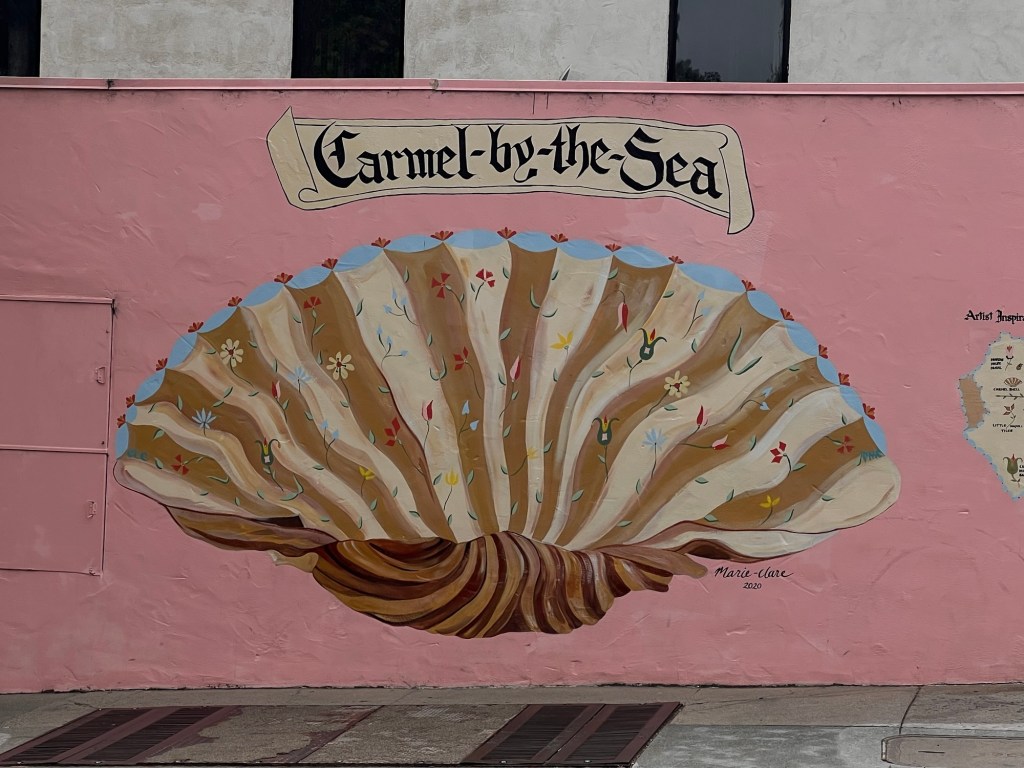
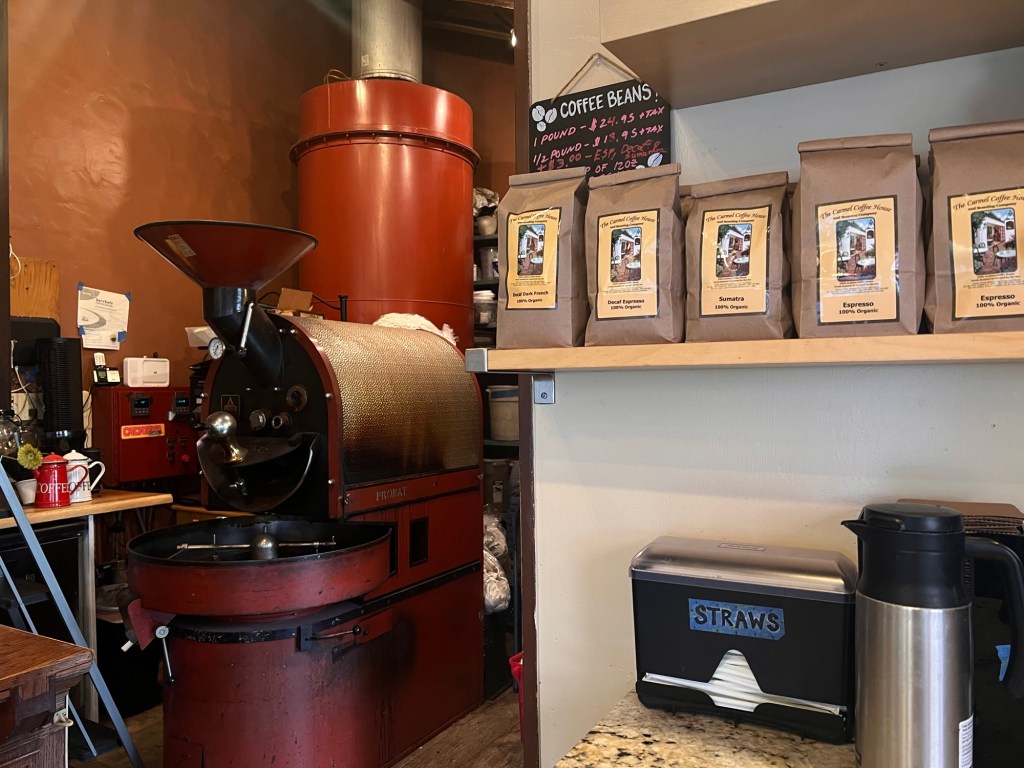
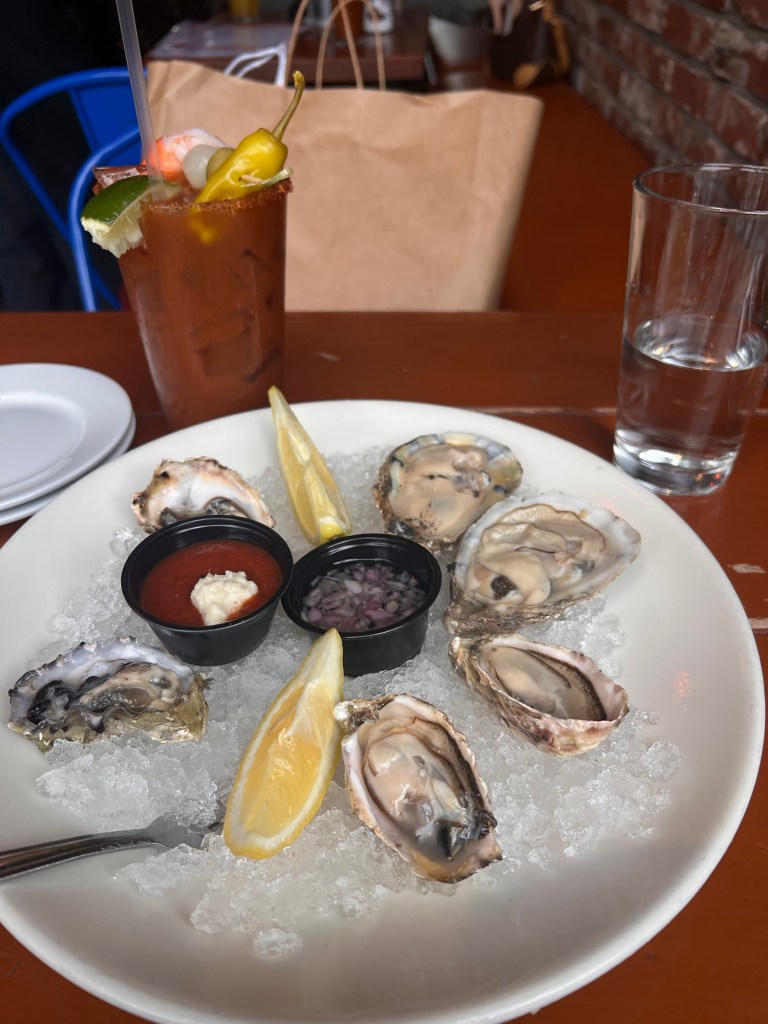
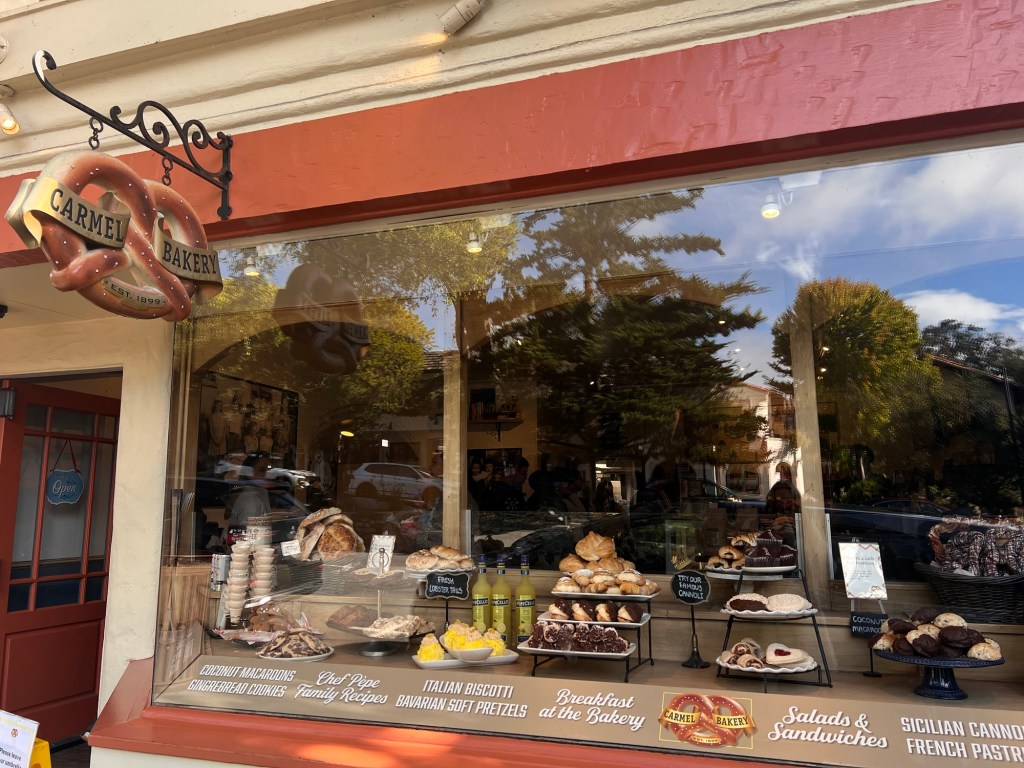
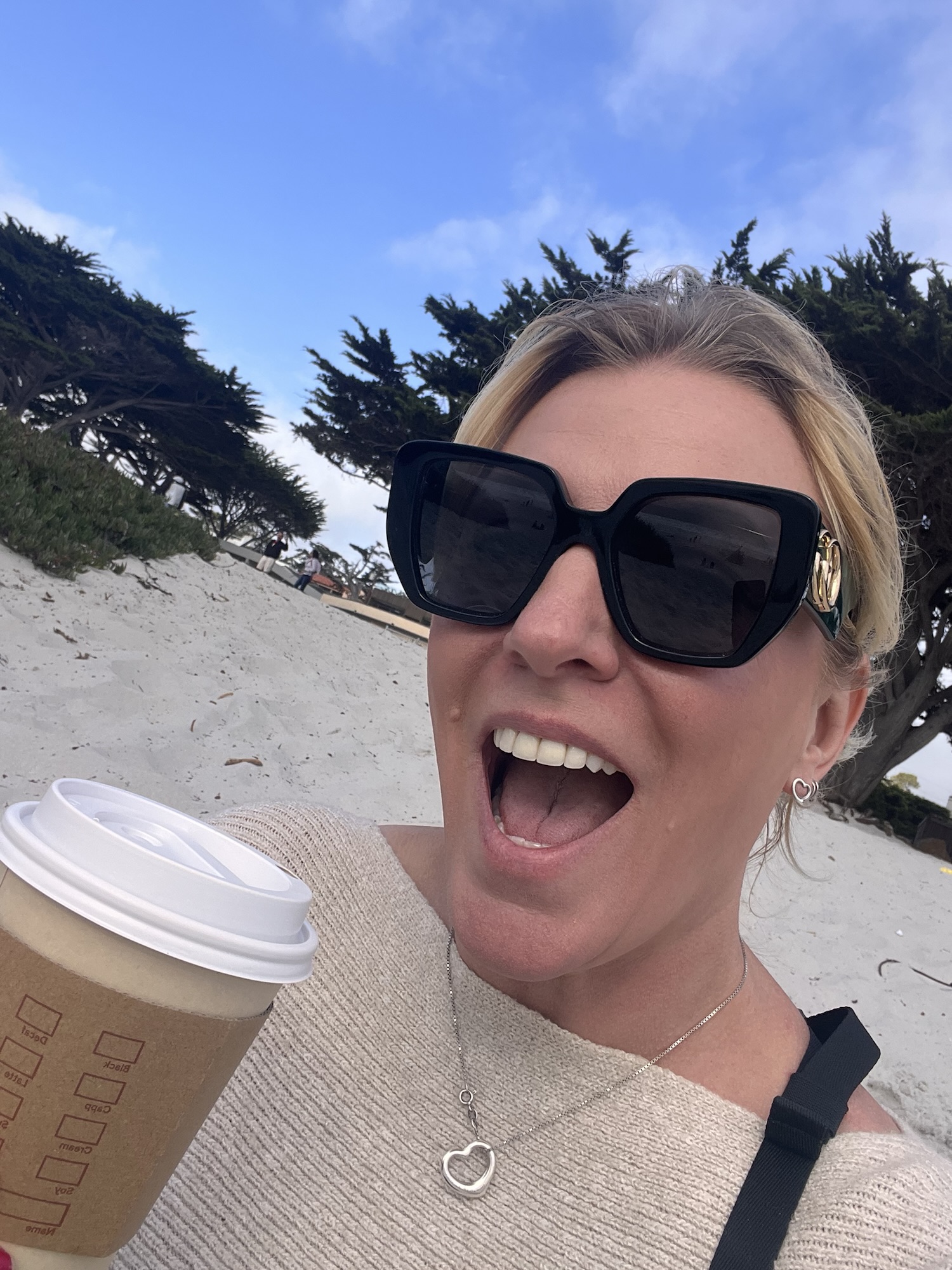
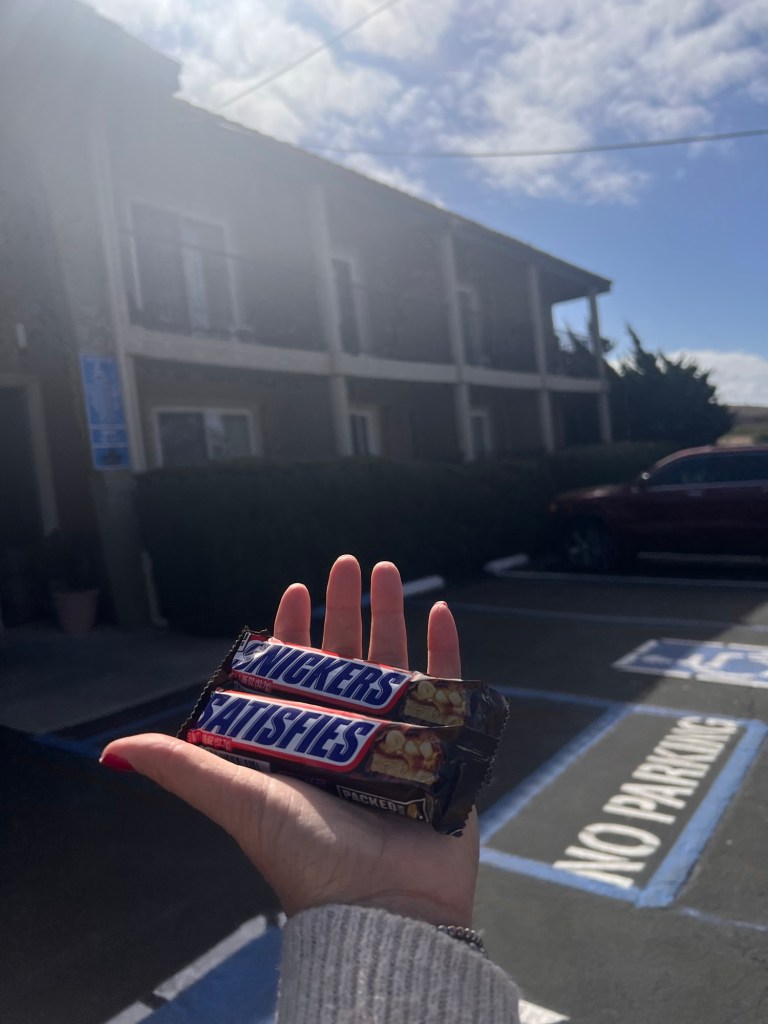
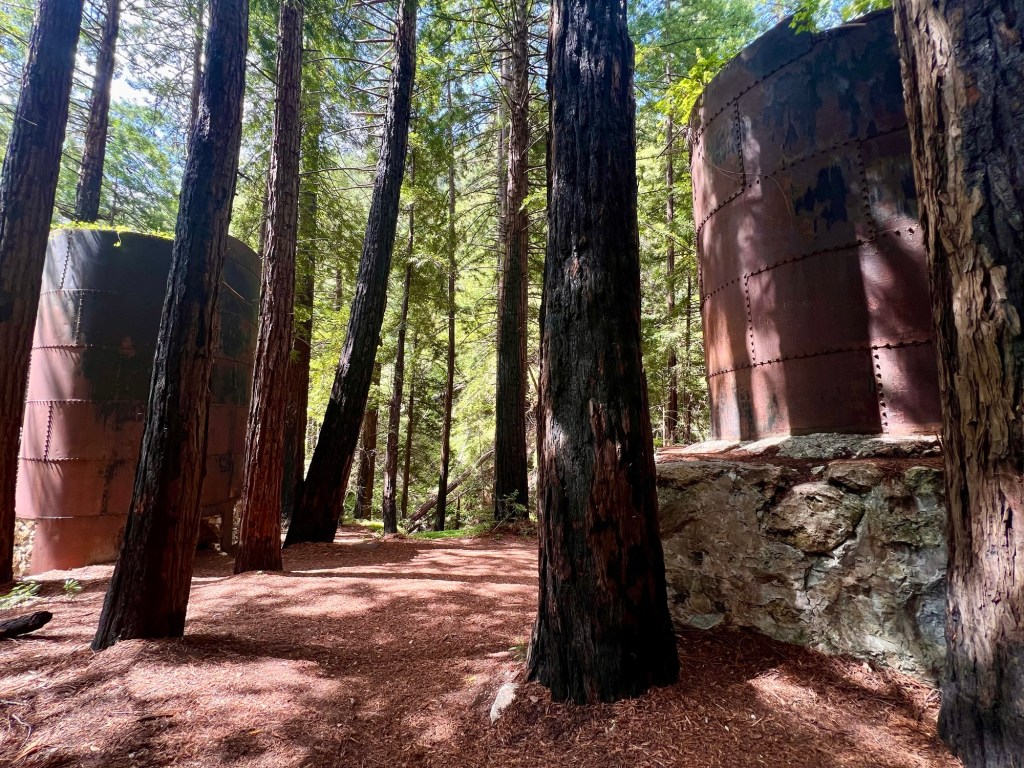
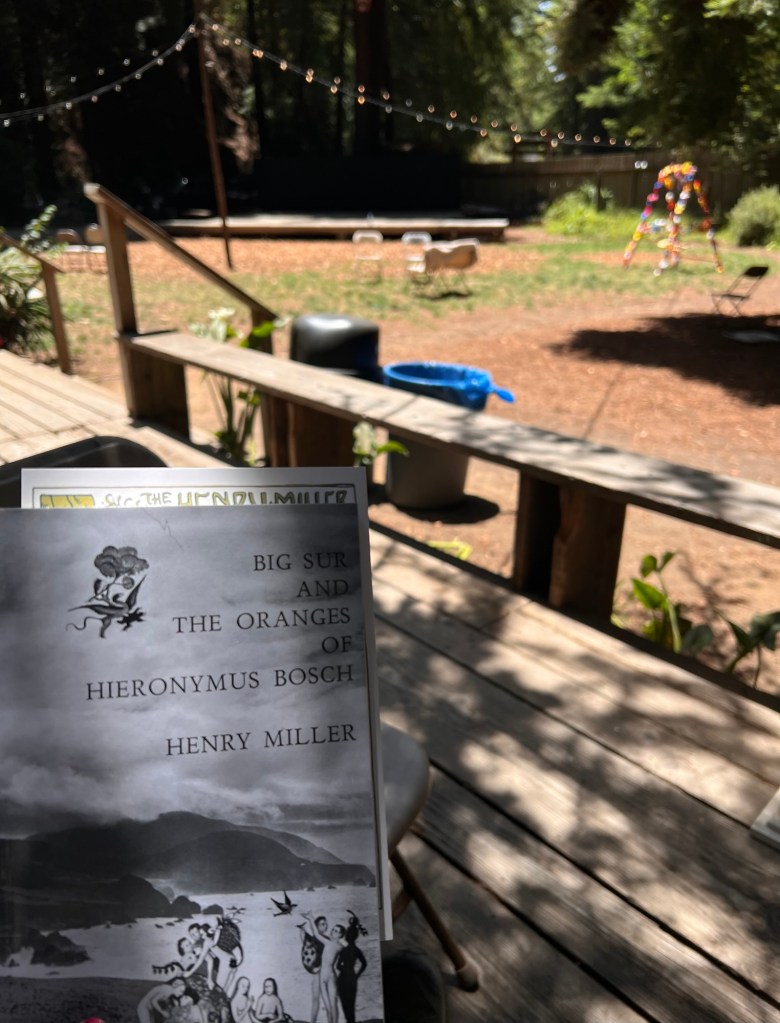
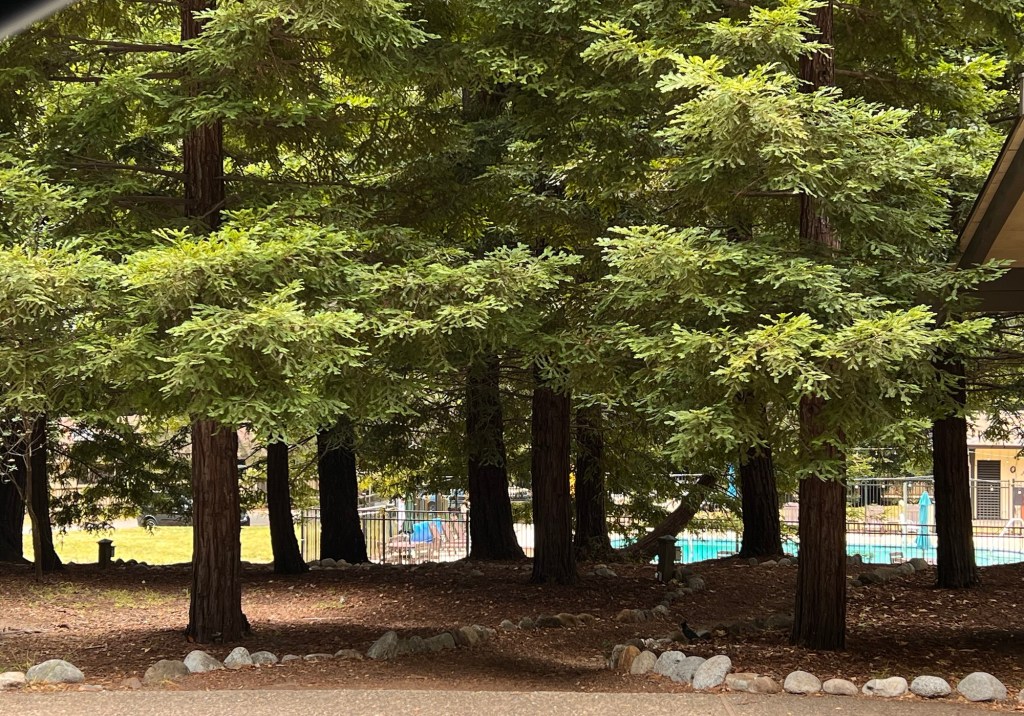
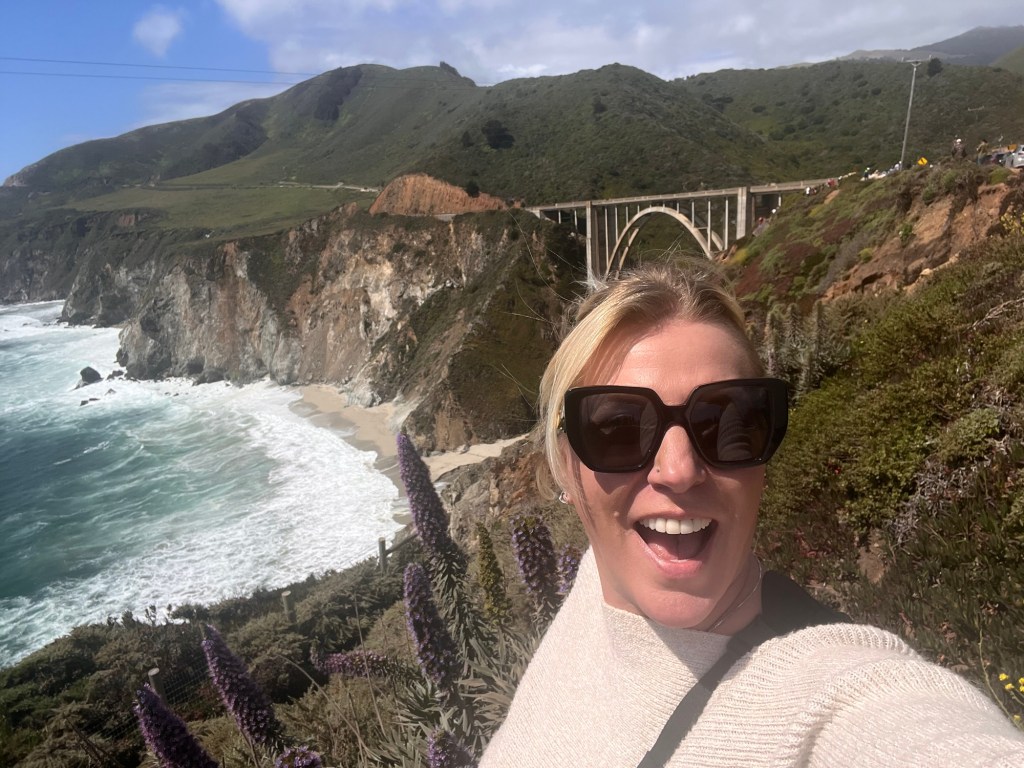
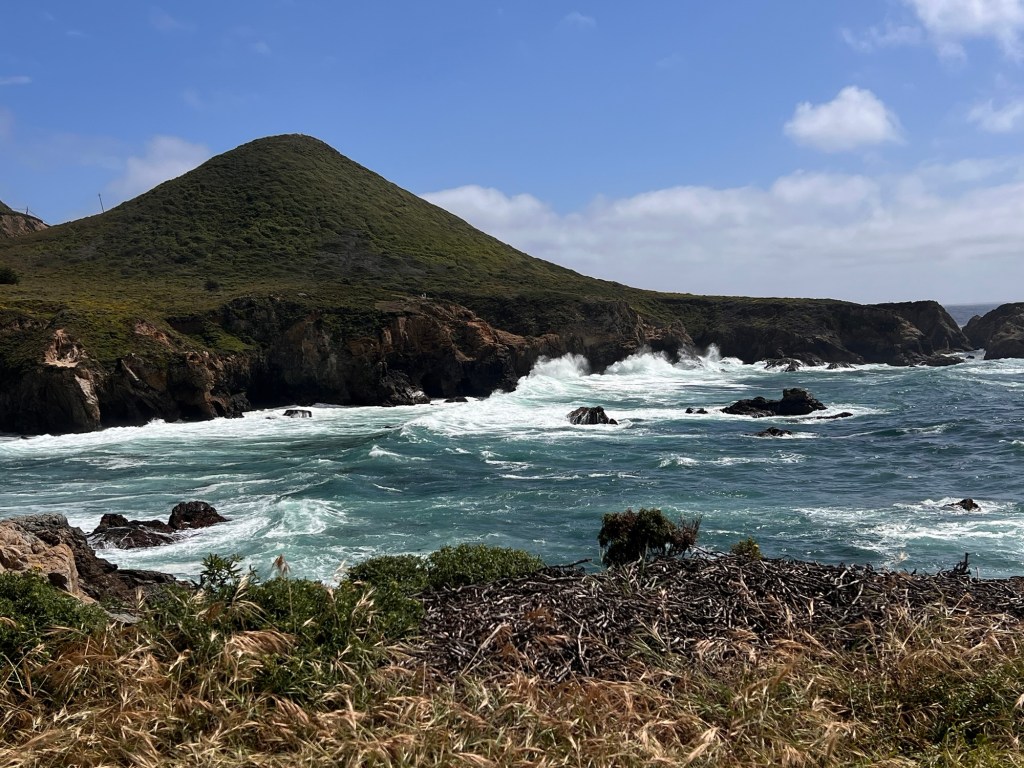
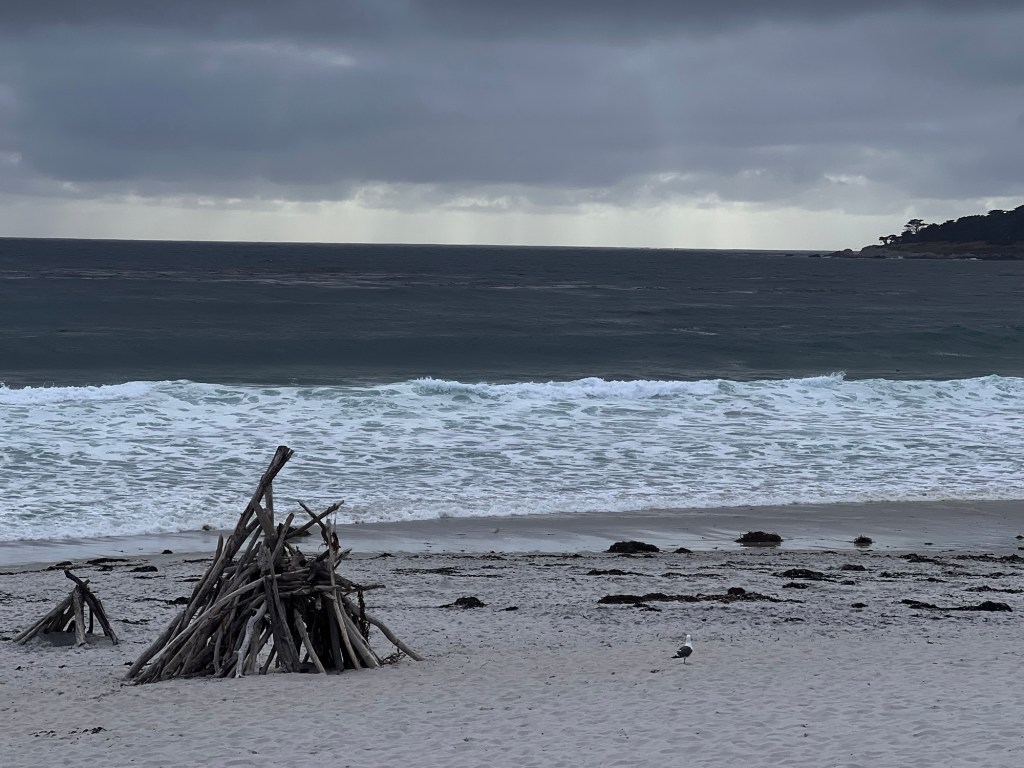
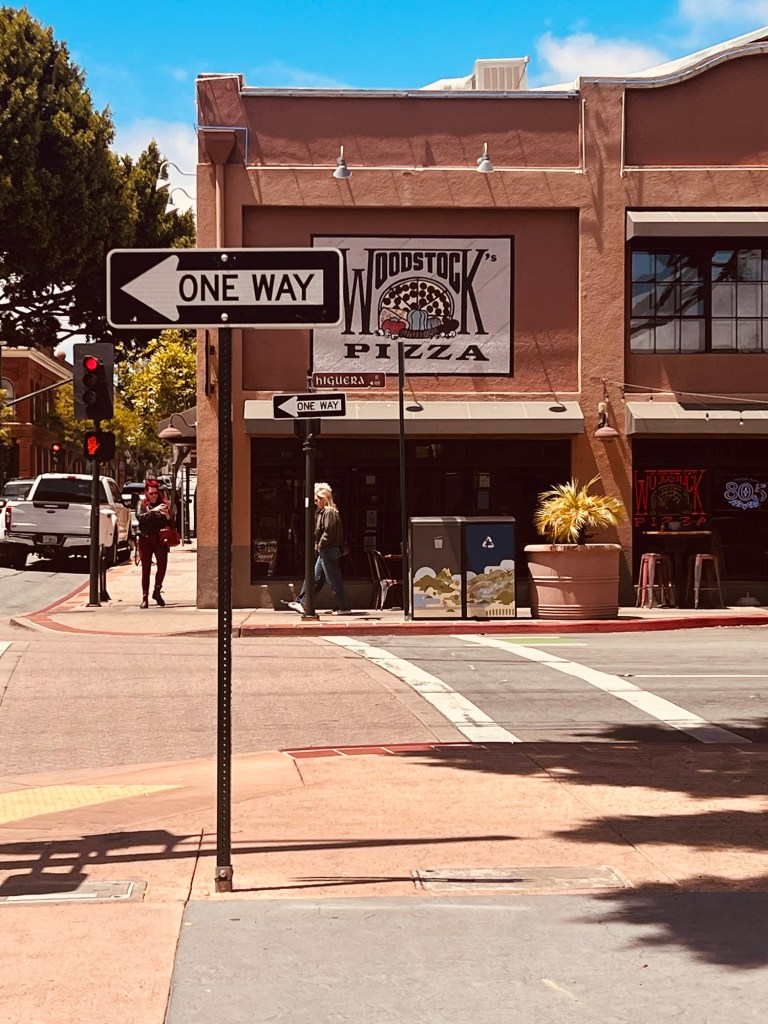
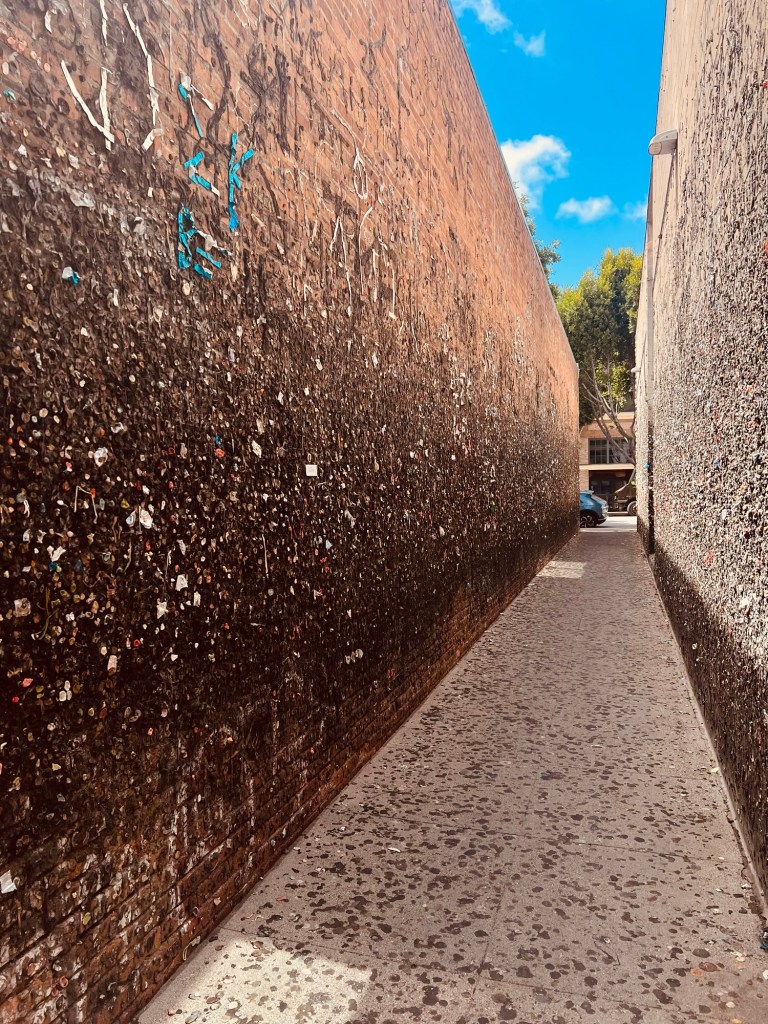
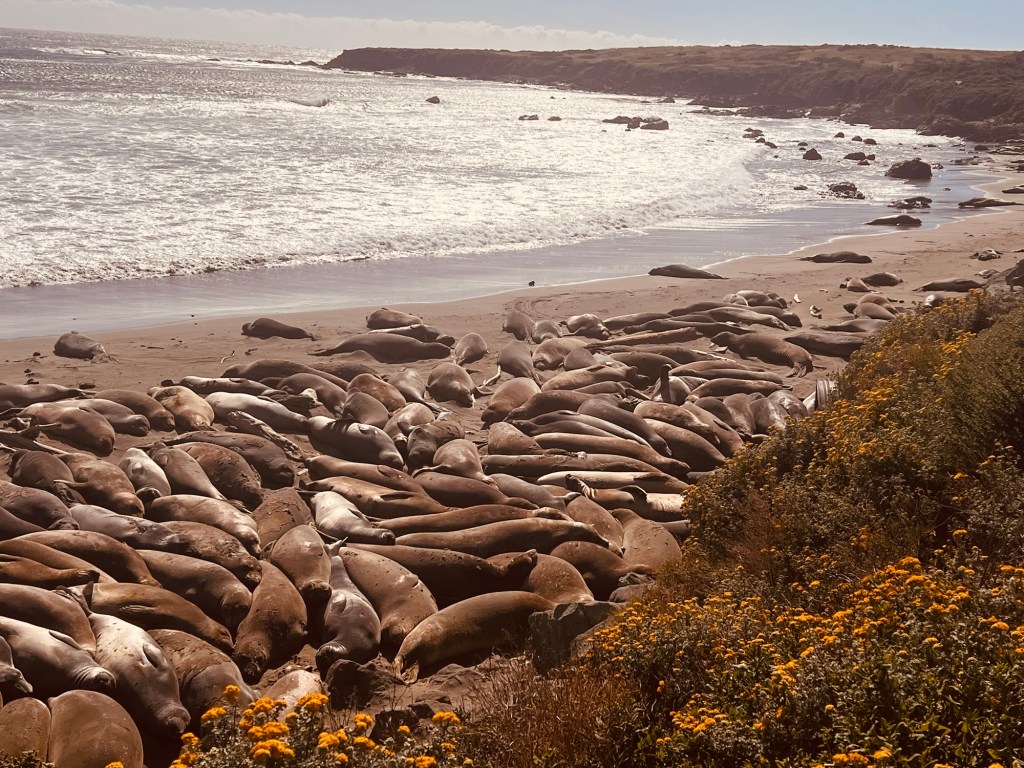
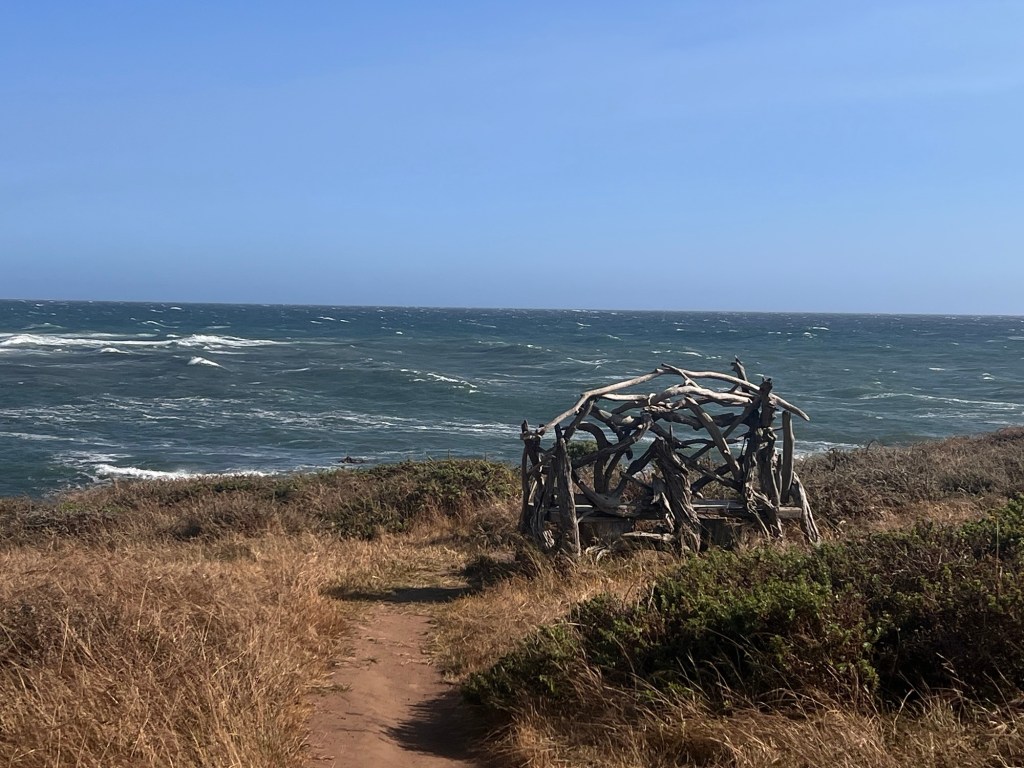
 Felicity Arvizu takes on...